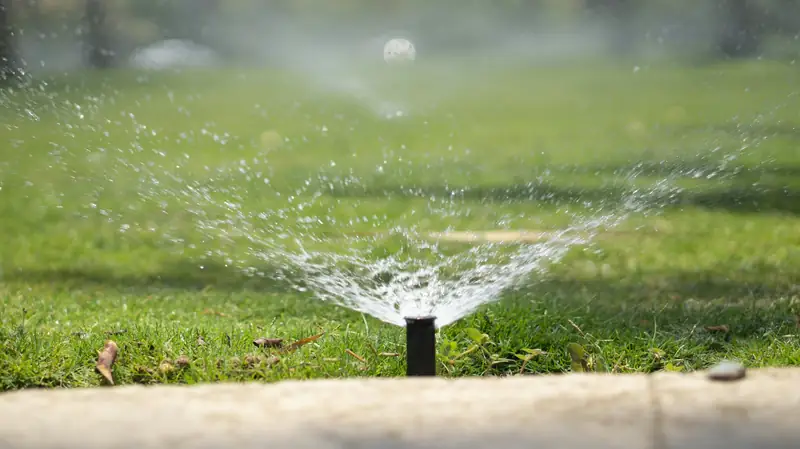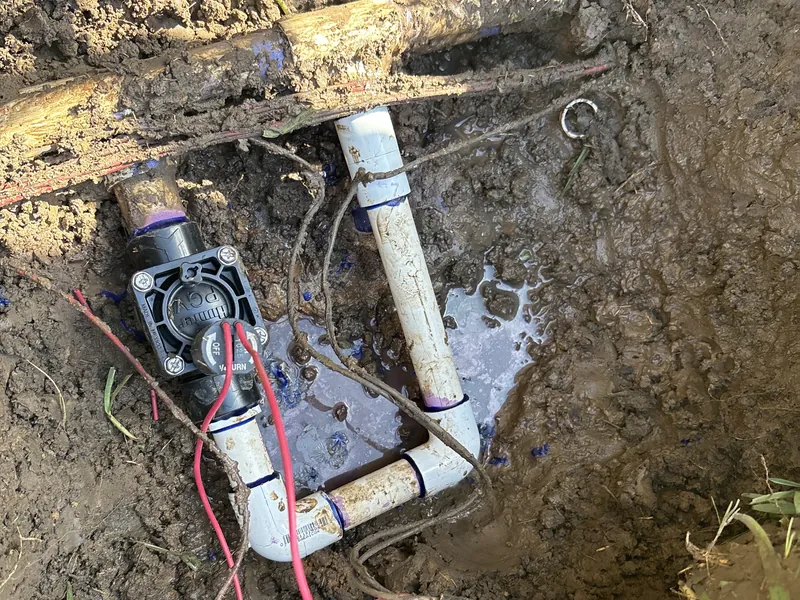
A failing sprinkler valve can cause a zone to stop watering, stay on continuously, leak underground, or operate unpredictably.
For most residential sprinkler systems, professional sprinkler valve replacement typically costs about $125 to $225 for a straightforward replacement, although difficult-to-access valves, damaged manifolds, wiring problems, excavation, or multiple repairs can increase the total cost.
Quick Answer: How Much Does a Sprinkler Valve Cost to Replace?
Typical residential price ranges:
| Repair | Typical Cost Range |
|---|---|
| Sprinkler valve diagnosis | $75–$150+ |
| Solenoid replacement | $75–$175 |
| Valve diaphragm/internal repair | $90–$175 |
| Standard valve replacement | $125–$225 |
| Difficult valve replacement | $225–$400+ |
| Multiple valves | Varies by number and accessibility |
| Valve manifold repair/rebuild | $250–$750+ |
These are general homeowner planning ranges—not guaranteed prices. Your actual cost depends heavily on where the valve is located and what has failed.
What Is a Sprinkler Valve?
A sprinkler valve controls the flow of water to an individual irrigation zone.
When your sprinkler controller sends an electrical signal, the valve opens and allows water to flow through the underground sprinkler piping.
When the watering cycle ends, the valve closes.
A typical residential irrigation system may have:
- 4 zones
- 6 zones
- 8 zones
- 12 zones
- 16 or more zones
Most systems have approximately one control valve for each watering zone.
What Does Sprinkler Valve Replacement Cost?
For a relatively simple residential replacement where the valve is easily accessible, homeowners should generally expect approximately:
$125–$225 Per Valve
More complicated replacements may cost:
$225–$400+ Per Valve
The actual price can change considerably depending on how the original irrigation system was installed.
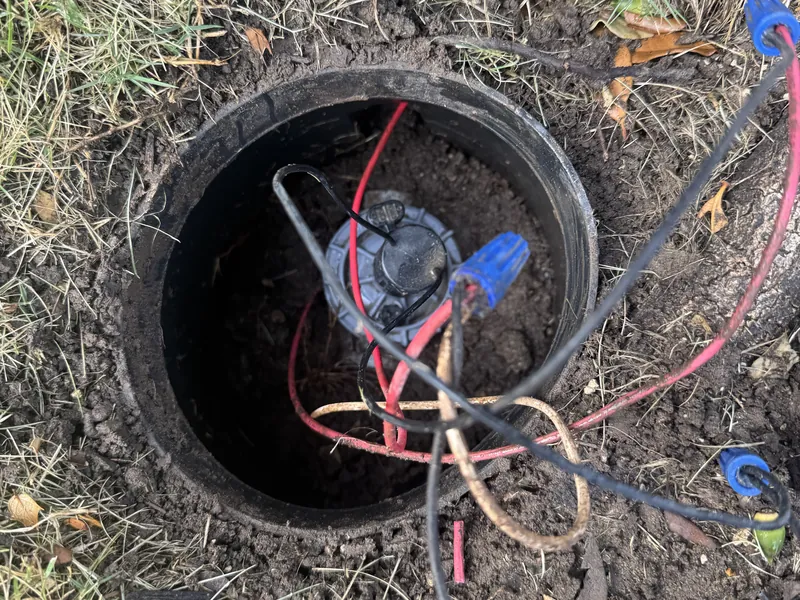
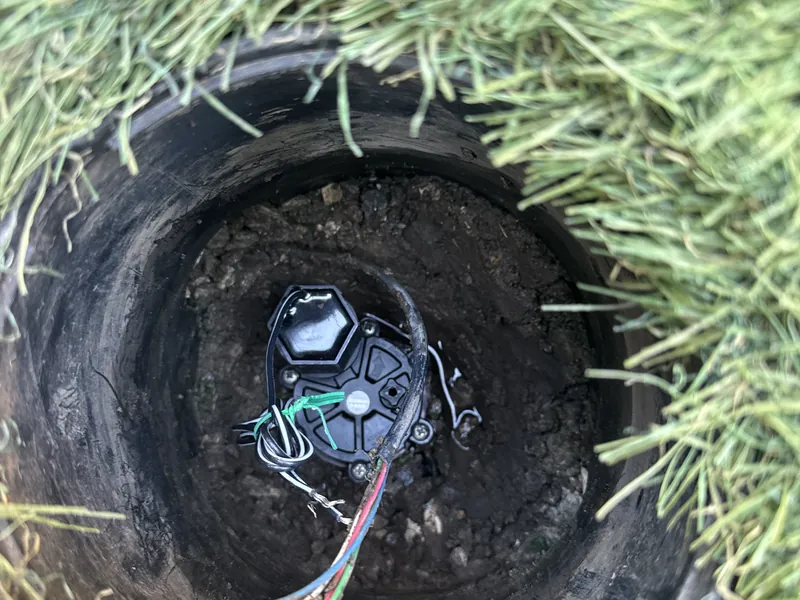
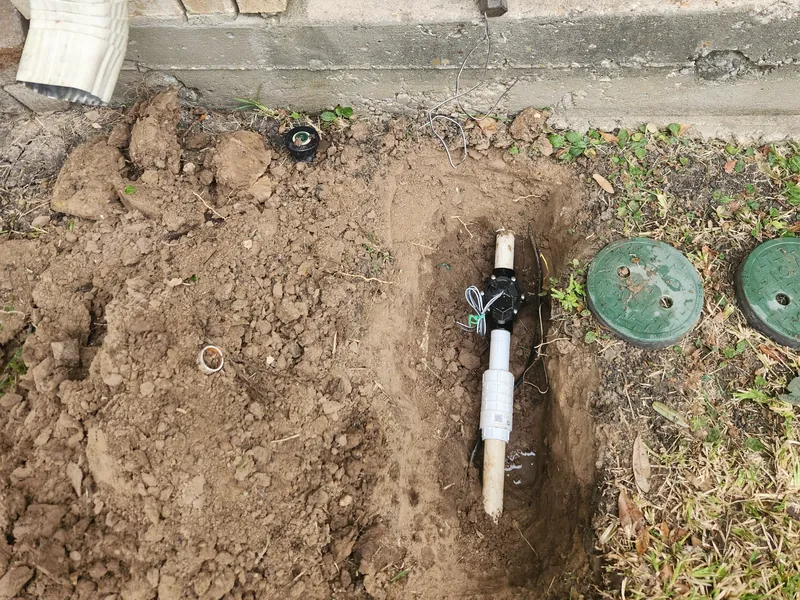
A valve sitting inside a clean, accessible valve box is much easier to replace than a valve buried under several inches of soil, tree roots, landscaping, concrete, or an overcrowded valve manifold.
Why Does Replacing a $20–$50 Valve Cost Much More?
This is one of the most common questions homeowners ask.
The irrigation valve itself may not be particularly expensive.
The homeowner is primarily paying for the technician to:
- Diagnose the actual problem.
- Locate the correct valve.
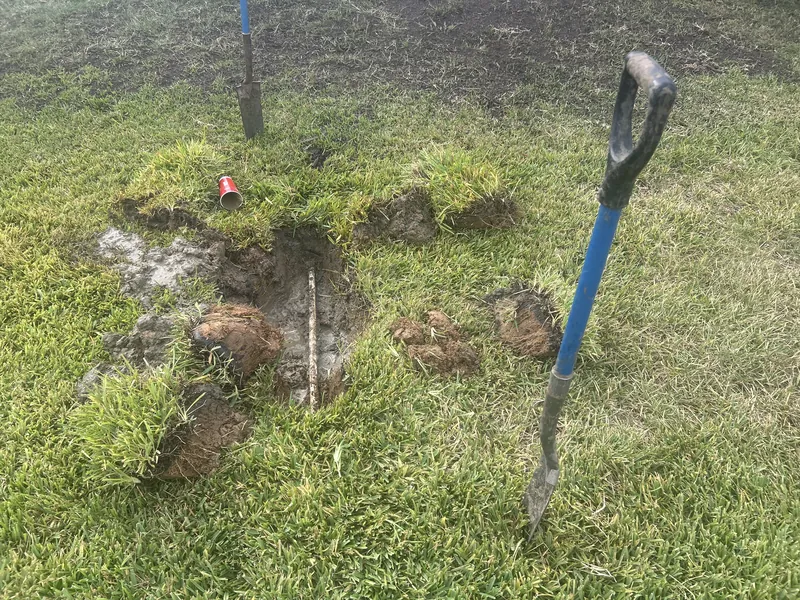
- Expose the valve if buried.
- Shut down the irrigation water supply.
- Drain or relieve system pressure.
- Remove the damaged valve.
- Cut or modify piping when necessary.
- Install the replacement valve.
- Waterproof the electrical connections.
- Restore water pressure.
- Activate the affected zone.
- Check for leaks.
- Verify that the valve opens correctly.
- Verify that the valve closes completely.
- Test the system from the controller.
Replacing the part is sometimes the easiest portion of the repair.
Finding and diagnosing the problem can take longer.
What Makes Sprinkler Valve Replacement More Expensive?
1. The Valve Is Buried
Older sprinkler systems commonly have valve boxes that become covered with:
- Soil
- Mulch
- Grass
- Tree roots
- Landscaping
- Gravel
The technician may need to locate the valve before replacing it.
2. Tree Roots Surround the Valve
Roots can grow around irrigation piping and valve boxes.
This makes excavation and valve replacement more difficult and increases the risk of damaging surrounding pipes.
3. The Valve Manifold Is Cramped
Several valves are frequently installed together in a manifold.
Older systems sometimes have very little room between valves.
The technician may have to rebuild part of the manifold instead of simply unscrewing and replacing one valve.
4. PVC Pipe Must Be Rebuilt
Sometimes the old valve cannot be removed without cutting PVC pipe.
Additional:
- PVC pipe
- Fittings
- Couplings
- Adapters
- Primer
- Cement
may be required.
5. Electrical Problems Are Present
The valve itself may not be the only problem.
The technician may discover:
- Broken field wire
- Bad waterproof connection
- Damaged common wire
- Shorted solenoid
- Corroded connection
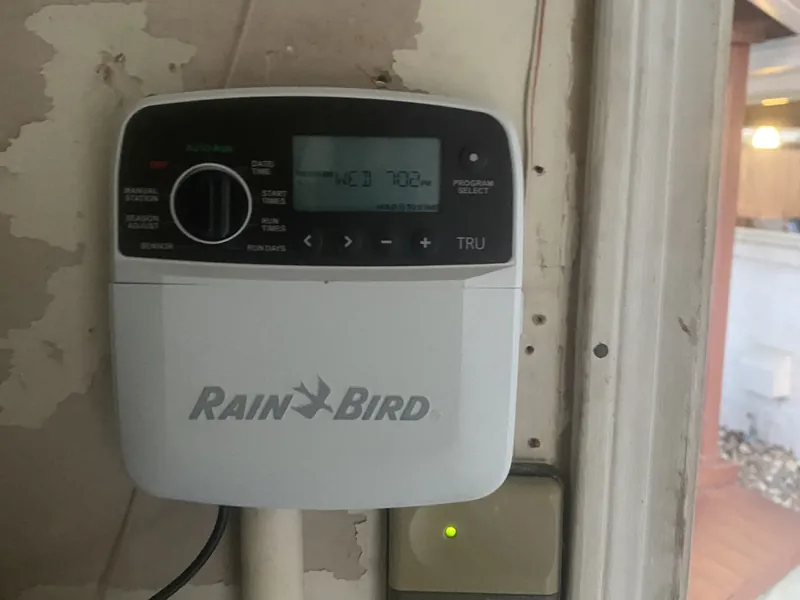
- Controller problem
Electrical troubleshooting adds diagnostic time.
6. Several Valves Are Failing
Older valve manifolds may have several valves of approximately the same age.
If one fails, others may be approaching the end of their useful life.
Replacing several accessible valves during one service visit may reduce the effective cost per valve compared with separate service calls.
Does My Sprinkler Valve Need Replacement?
Not necessarily.
A valve problem can sometimes be repaired without replacing the entire valve.
The technician should diagnose the cause before recommending replacement.
Possible valve-related repairs include:
Solenoid Replacement
The solenoid is the electrical component that activates the valve.
Possible symptoms include:
- Zone will not start.
- Valve works manually but not from controller.
- Solenoid does not activate.
- Solenoid has incorrect resistance.
- Solenoid wiring is damaged.
Replacing only the solenoid can sometimes solve the problem.
Diaphragm Repair
The diaphragm controls water movement through the valve.
A damaged or contaminated diaphragm may cause:
- Valve not closing.
- Water continuously running.
- Valve leaking.
- Weak water flow.
- Valve opening inconsistently.
Some valves can be rebuilt rather than completely replaced.
Valve Cleaning
Dirt, rocks, sand, or debris can enter an irrigation valve.
Cleaning the valve may correct the problem if the valve body itself is still in good condition.
When Should the Entire Sprinkler Valve Be Replaced?
Complete replacement may make more sense when:
- Valve body is cracked.
- Valve is leaking externally.
- Internal components are severely worn.
- Replacement parts are unavailable.
- Valve has been repaired repeatedly.
- Threads or fittings are damaged.
- Valve is badly corroded.
- Valve is extremely old.
- Multiple components have failed.
A professional technician should determine whether repairing or replacing the valve provides the best long-term value.
Signs of a Bad Sprinkler Valve
Common symptoms include:
Sprinkler Zone Will Not Turn On
Possible causes include:
- Bad solenoid
- No voltage
- Broken field wire
- Failed valve
- Closed water supply
- Flow-control problem
Sprinkler Zone Will Not Shut Off
Possible causes include:
- Debris inside valve
- Damaged diaphragm
- Bad solenoid
- Valve mechanically stuck open
- Internal valve damage
If a sprinkler zone will not shut off, shutting off the irrigation water supply may be necessary until repairs can be made.
Sprinkler Valve Is Leaking
Leaks can occur around:
- Valve body
- Bonnet
- Solenoid
- Fittings
- PVC connections
- Manifold
The source of the leak should be identified before replacing the valve.
Zone Has Low Pressure
A partially opening valve can reduce water flow.
But low pressure can also be caused by:
- Broken pipe
- Excessive number of sprinkler heads
- Clogged nozzle
- Mainline problem
- Pressure-regulation problem
- Backflow problem
This is why diagnosis is important.
Sprinkler Valve Replacement vs. Valve Repair
A good irrigation technician should not automatically replace every malfunctioning valve.
A simple rule is:
Repair the valve when:
- Valve body is good.
- Problem is isolated.
- Repair parts are readily available.
- Repair is likely to provide reliable service.
Replace the valve when:
- Valve body is damaged.
- Valve is obsolete.
- Several components are failing.
- Previous repairs have failed.
- Replacement provides better long-term value.
What About Replacing Several Valves?
Suppose you have a six-valve manifold and several valves are 15–20 years old.
Replacing only one valve may solve today’s problem.
However, if several valves are already leaking, sticking, or showing signs of deterioration, rebuilding the entire manifold may sometimes make more sense.
The technician should show you the condition of the remaining valves before recommending additional work.
Can I Replace a Sprinkler Valve Myself?
Some experienced homeowners can replace sprinkler valves.
A replacement valve itself may cost approximately $15–$150 depending on type and size, while many common residential valves are toward the lower end of that range.
However, valve replacement can become considerably more complicated when:
- PVC must be cut.
- Valve orientation is incorrect.
- Multiple valves are tightly connected.
- Wiring is damaged.
- Valve is deeply buried.
- System pressure is high.
- The wrong valve is diagnosed.
Incorrect installation can create underground leaks or prevent the irrigation zone from operating correctly.
How Long Does It Take to Replace a Sprinkler Valve?
A straightforward valve replacement may take approximately:
30–90 Minutes
A complicated repair can take several hours if the technician must:
- Locate the valve.
- Excavate the valve box.
- Remove roots.
- Rebuild PVC.
- Repair wiring.
- Rebuild a manifold.
The condition of the original installation matters enormously.
Sprinkler Valve Replacement Cost Example
Imagine a homeowner reports:
“Zone 5 won’t come on.”
The problem could be:
Scenario A — Bad Solenoid
Valve body is good.
Possible solution:
Replace solenoid.
Scenario B — Failed Valve
Valve is accessible and piping is intact.
Possible solution:
Replace complete valve.
Typical planning range:
$125–$225
Scenario C — Buried Valve
Technician must locate and excavate the valve.
Possible price:
$200–$350+
Scenario D — Damaged Valve Manifold
Valve replacement requires rebuilding surrounding PVC and fittings.
Possible price:
$300–$750+, depending on the extent of reconstruction.
This illustrates why sprinkler repair should be diagnosed before an exact price is given.
Sprinkler Valve Replacement Cost Factors
Your final cost can depend on:
- Geographic location
- Technician labor rates
- Valve brand
- Valve size
- Valve accessibility
- Depth of valve
- Condition of valve box
- Tree roots
- Type of piping
- Number of valves
- Electrical problems
- Manifold configuration
- Emergency service
- Additional system problems
Common Residential Sprinkler Valve Sizes
Most residential irrigation systems commonly use valves around:
3/4 Inch
or
1 Inch
Larger irrigation and commercial systems may use larger valves.
Valve size, flow requirements, pressure, and system design should be considered when selecting a replacement.
Popular Sprinkler Valve Manufacturers
Residential irrigation systems commonly contain valves made by manufacturers such as:
- Rain Bird
- Hunter
- Irritrol
- Toro
- K-Rain
- Weathermatic
The replacement valve does not always have to be identical to the original valve, but it must be appropriate for the irrigation system.
Questions to Ask Before Approving a Valve Replacement
Ask the irrigation technician:
What exactly failed?
You should know whether the problem is:
- Valve
- Solenoid
- Diaphragm
- Wiring
- Controller
- Pipe
- Connection
Can the valve be repaired?
Sometimes rebuilding the valve makes more sense.
Is the valve accessible?
Accessibility is one of the biggest labor factors.
Are the surrounding valves in good condition?
If the valves are all the same age, inspect the others while the valve box is open.
Will the system be tested after the repair?
Every repaired zone should be operated after the work is completed.
Sprinkler Valve Replacement Checklist
A properly completed valve replacement should include:
- Identify correct valve
- Shut off irrigation water
- Expose valve and piping
- Inspect surrounding manifold
- Remove damaged valve
- Install correct replacement valve
- Confirm correct flow direction
- Reconnect irrigation wiring
- Waterproof wire connections
- Restore water pressure
- Inspect fittings for leaks
- Activate zone from controller
- Verify valve opens fully
- Verify valve closes completely
- Check sprinkler-zone performance
- Restore valve box and surrounding area
Frequently Asked Questions
How much does it cost to replace one sprinkler valve?
A straightforward professional replacement often costs approximately $125–$225, while difficult replacements can exceed $300–$400.
Can a sprinkler valve be repaired instead of replaced?
Yes. Solenoids, diaphragms and other internal components can sometimes be repaired or replaced without replacing the entire valve.
Why won’t my sprinkler valve shut off?
Common causes include debris inside the valve, a damaged diaphragm, a faulty solenoid, or mechanical damage.
Why won’t my sprinkler valve open?
Possible causes include a failed solenoid, wiring problem, controller problem, closed flow control, or failed valve.
Is a sprinkler valve the same as a sprinkler zone?
Usually one control valve operates one irrigation zone, although system designs can vary.
Where are sprinkler valves located?
They are commonly installed underground inside plastic valve boxes.
What happens if the valve box is buried?
The valve may need to be located using system knowledge, electrical locating equipment, probing, or excavation.
Should I replace all of my sprinkler valves at once?
Usually not. However, if several old valves are deteriorated and located within the same manifold, replacing several together can sometimes be more economical.
The Most Important Part: Diagnose Before Replacing
A sprinkler zone that isn’t working does not automatically mean the valve needs replacement.
The actual problem could be:
Controller → Wiring → Solenoid → Valve → Pipe → Sprinkler Heads
A proper sprinkler diagnostic process should determine where the failure occurs before parts are replaced.
That can prevent homeowners from paying for unnecessary repairs.
Need Help Diagnosing a Sprinkler Valve Problem?
Use our sprinkler troubleshooting tools to start with the symptom:
- Sprinkler zone won’t turn on
- Sprinkler zone won’t shut off
- Sprinkler valve leaking
- Sprinkler system has low pressure
- Sprinkler controller shows zone running but nothing happens
- Sprinkler valve buzzing
- Sprinkler valve box full of water
Start with the symptom—not the part.
That is the fastest way to determine what your sprinkler system actually needs.