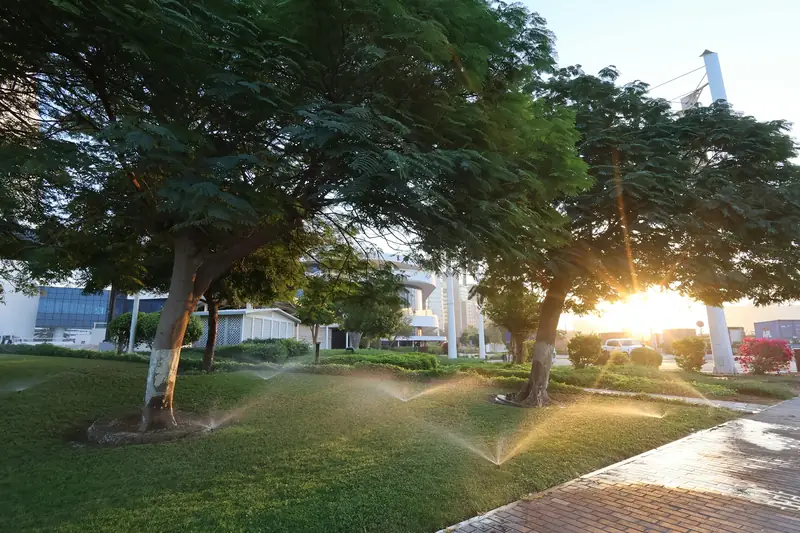
Here is what the most common sprinkler repairs involve and when you are likely to need them. Where we have a cost guide, it’s linked.
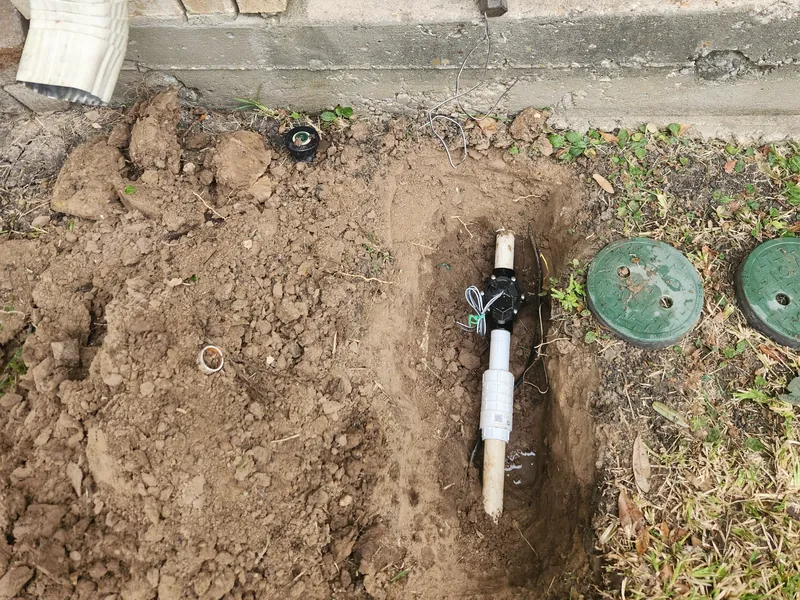
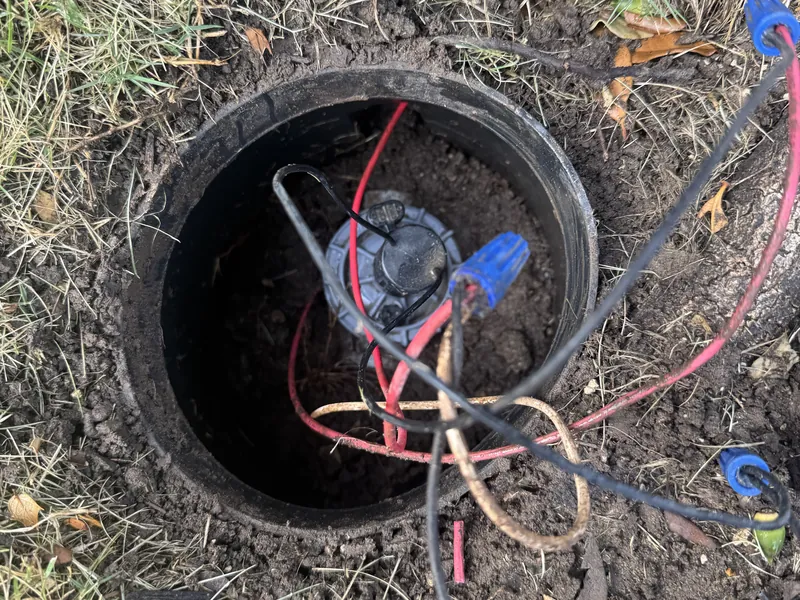
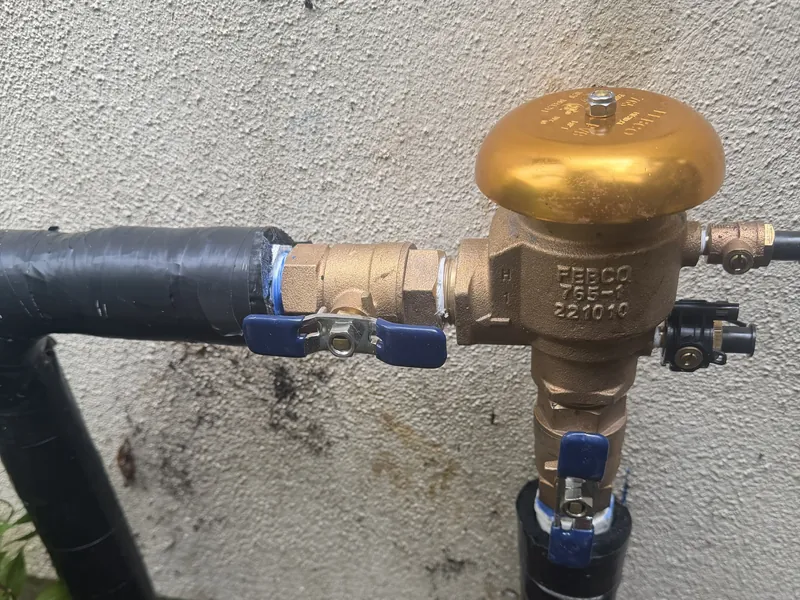
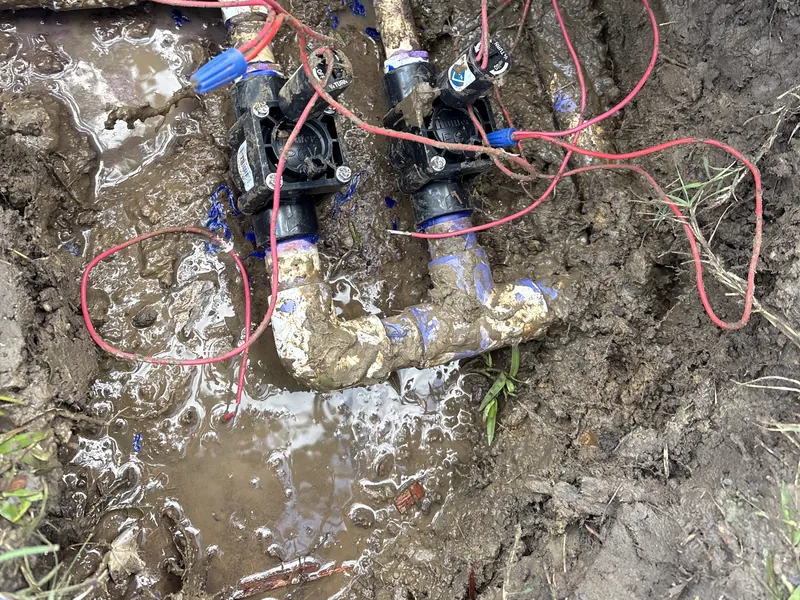
Sprinkler valve repair
Rebuilding or replacing a zone valve that sticks open, won't open, or leaks.
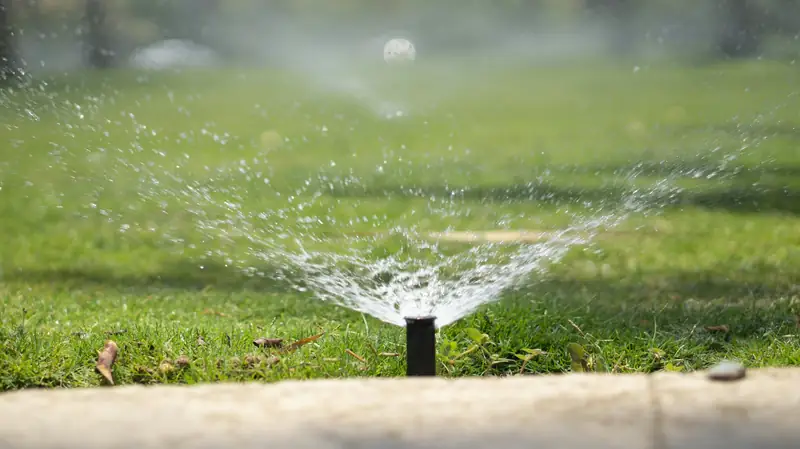
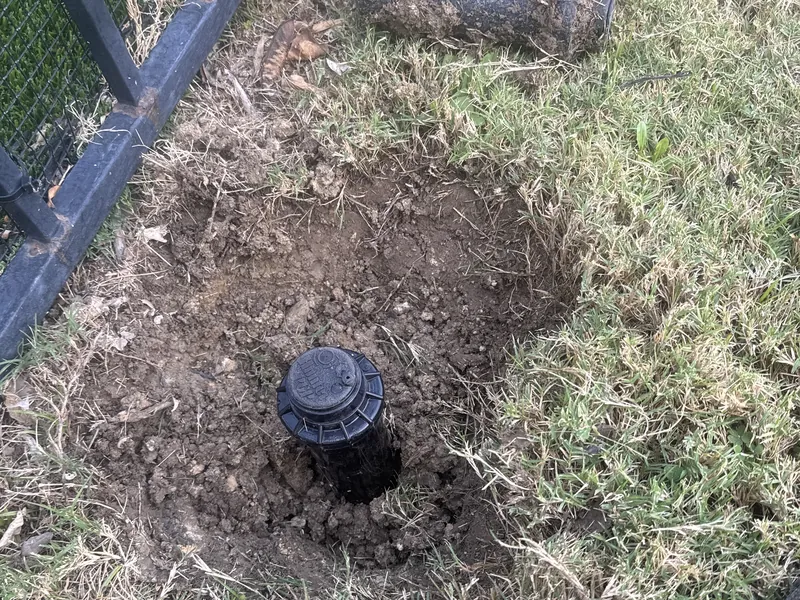
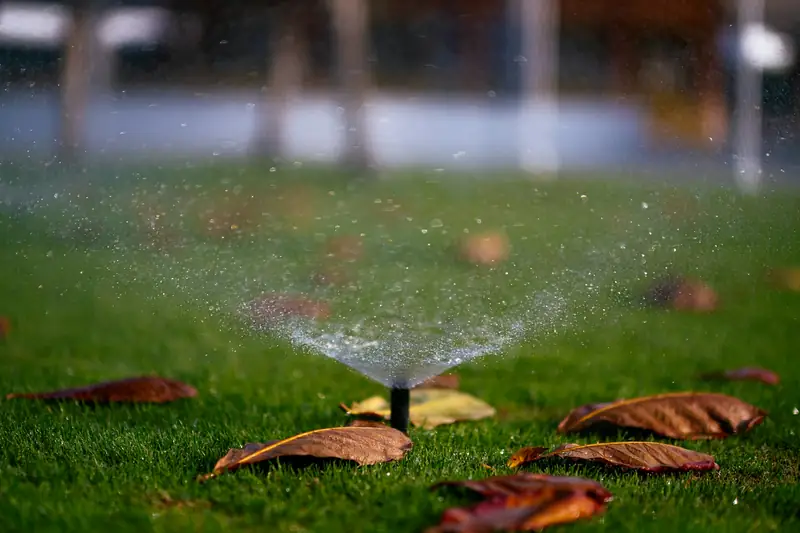
Sprinkler head repair
Replacing broken spray heads and rotors, raising or straightening heads, changing nozzles.
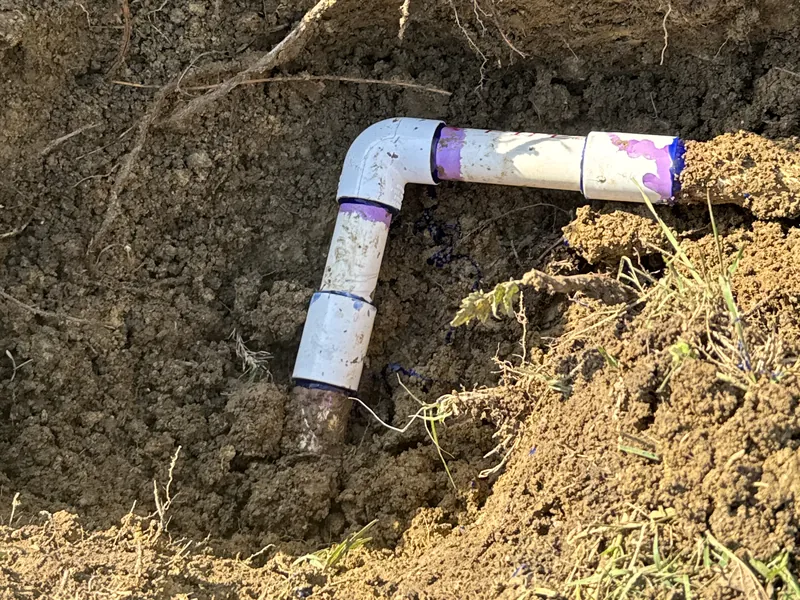
Pipe repair
Fixing broken lateral lines, mainlines and fittings, usually after locating and uncovering the break.
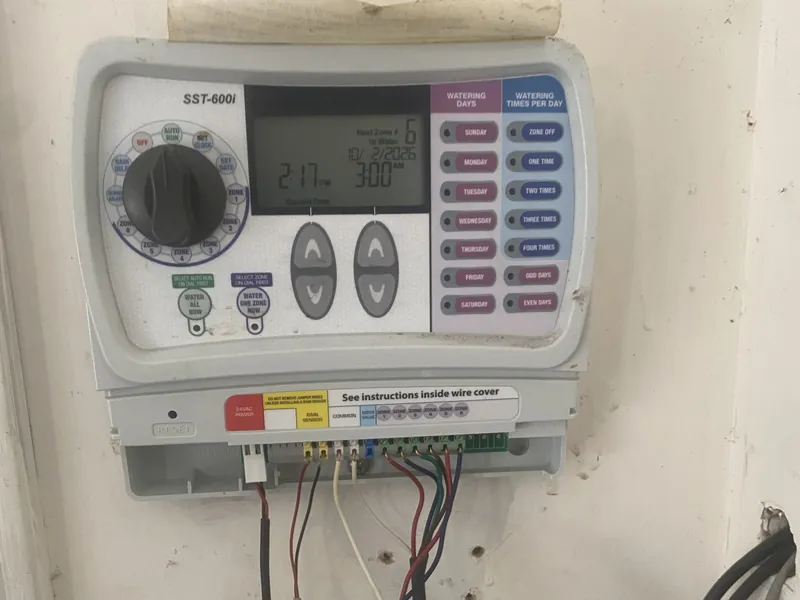
Controller repair
Restoring power, replacing transformers or fuses, fixing programming problems.
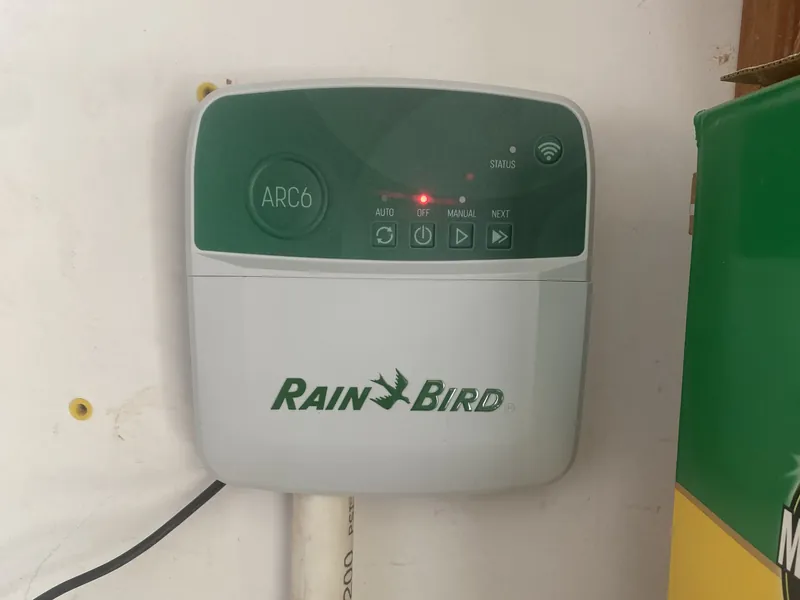
Controller replacement
Replacing a failed or outdated controller, including smart controller upgrades.
Solenoid replacement
Replacing the electric solenoid that opens and closes a zone valve.
Wire repair
Tracing and splicing broken field wires and common wires with waterproof connectors.
Rotor replacement
Replacing rotors whose gear drive has failed or that no longer turn.
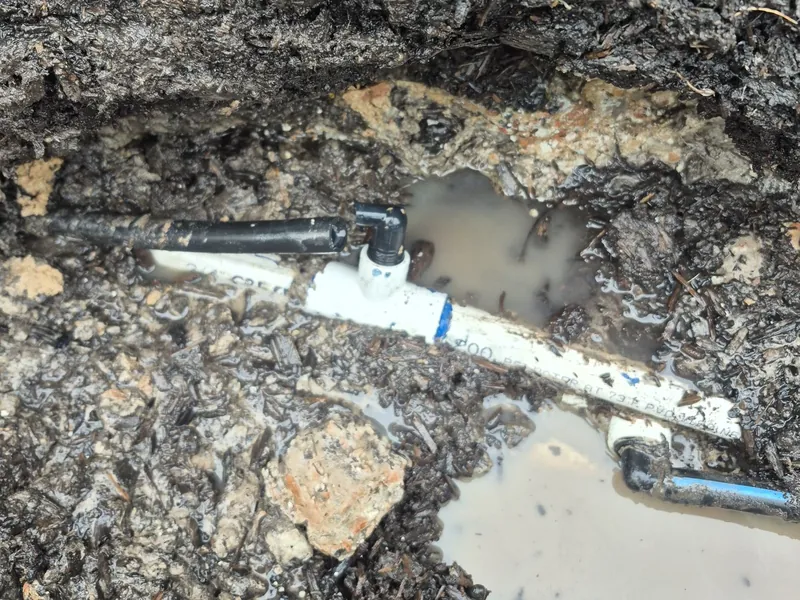
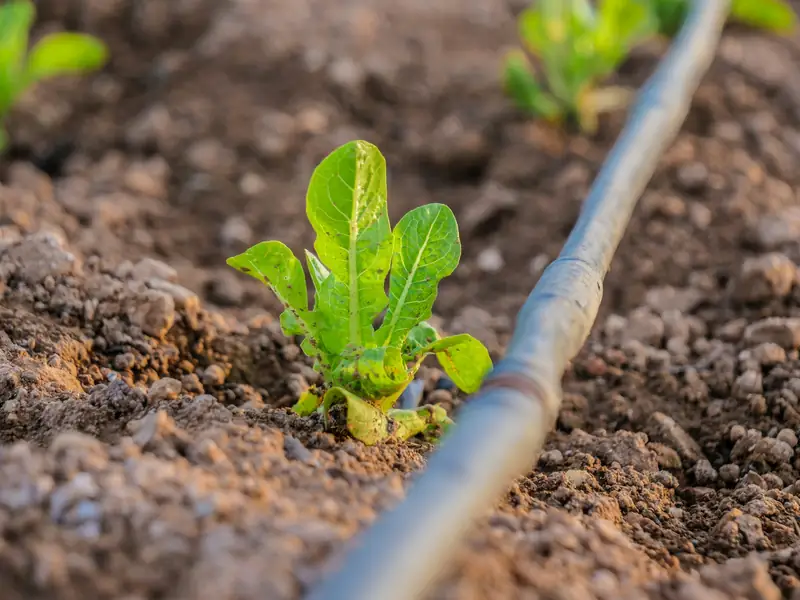
Drip irrigation repair
Fixing drip tubing, emitters and filters.
Sprinkler system inspection
A zone-by-zone check of heads, valves, controller, pressure and coverage.
Pressure troubleshooting
Finding the cause of low or uneven pressure: leaks, valves, regulators, supply or pump.
Sprinkler adjustment
Aiming heads, adjusting arcs and nozzles so water lands on the lawn, not the sidewalk.
System renovation
Upgrading an older or poorly designed system: zones, heads, controller and coverage.
Pump repair
Repairing irrigation pumps and pump-start relays on pump-fed systems.
Repair or diagnose first?
The right repair depends on the cause. A zone that won’t turn on can be a solenoid, a valve, a broken wire or the controller. Diagnose the problem first so you know what to ask for.