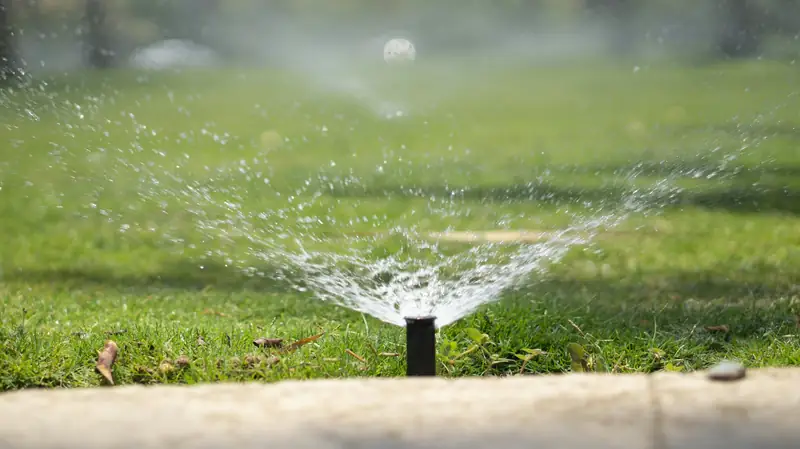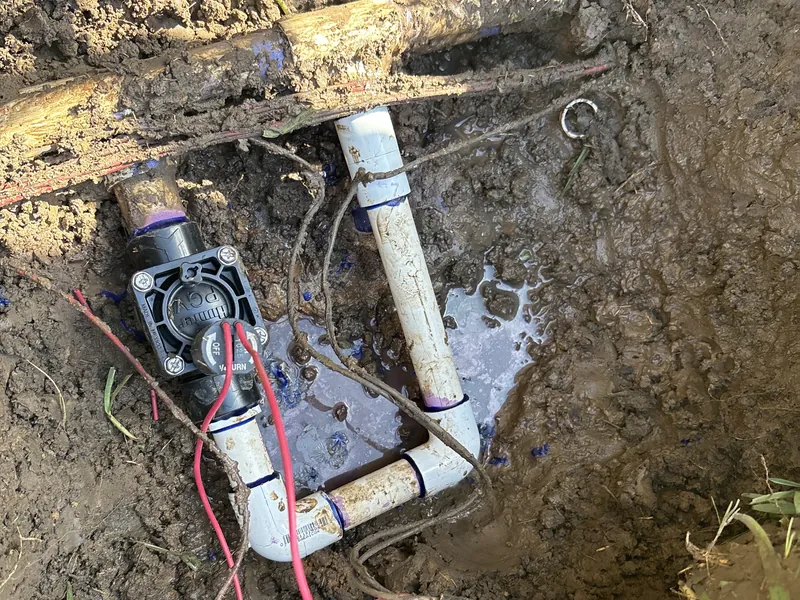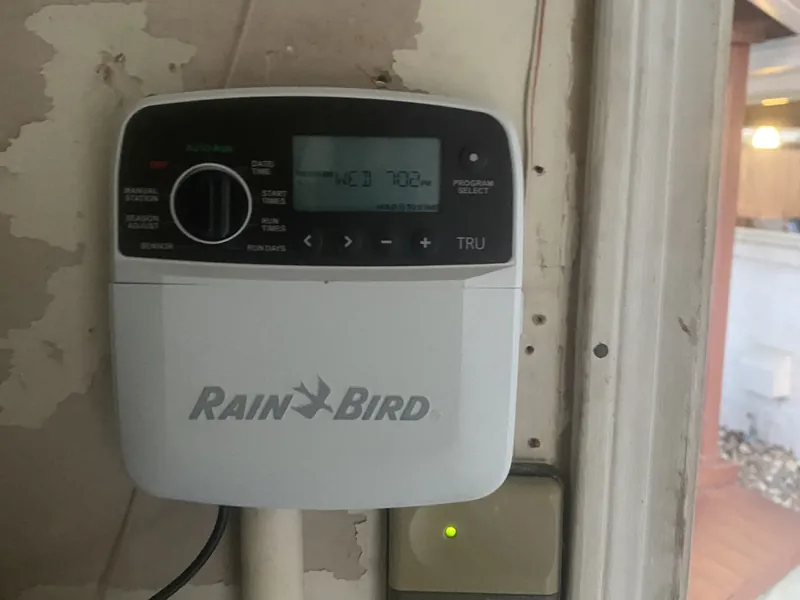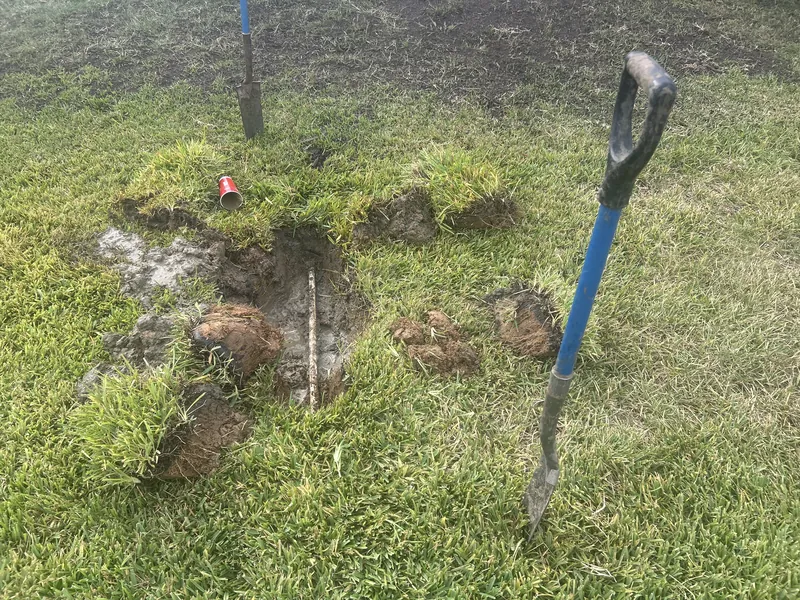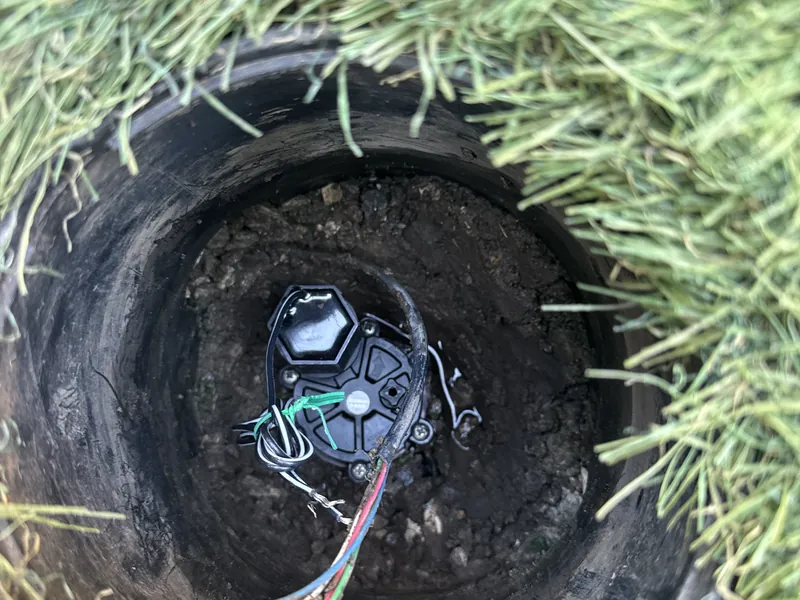
If one sprinkler zone will not turn on, will not shut off, or works intermittently, the problem may be a bad sprinkler valve solenoid.
A sprinkler solenoid is the small electrical component attached to an irrigation valve. When your sprinkler controller sends power to the valve, the solenoid activates and allows the valve to open.
Fortunately, replacing a solenoid is usually less expensive than replacing the entire sprinkler valve.
How Much Does It Cost to Replace a Sprinkler Solenoid?
A typical professional sprinkler solenoid replacement may cost approximately:
$100–$250 per solenoid
The final price depends on several factors, including:
- Accessibility of the sprinkler valve
- Whether the valve is buried
- Condition of the valve box
- Type and brand of irrigation valve
- Electrical wiring condition
- Whether additional troubleshooting is required
- Whether the valve itself is damaged
- Local labor rates
If the technician determines that the entire sprinkler valve needs replacement, the repair will generally cost more than simply replacing the solenoid.
Typical Sprinkler Solenoid Replacement Cost
| Repair | Typical Cost Range |
|---|---|
| Sprinkler system diagnostic visit | $75–$150 |
| Replace one sprinkler solenoid | $100–$250 |
| Replace multiple solenoids | $175–$500+ |
| Repair solenoid wiring | $125–$350+ |
| Replace complete sprinkler valve | $175–$400+ |
| Locate buried sprinkler valve | $150–$400+ |
Prices vary depending on the irrigation system, accessibility, labor requirements, and geographic location.
What Is a Sprinkler Solenoid?
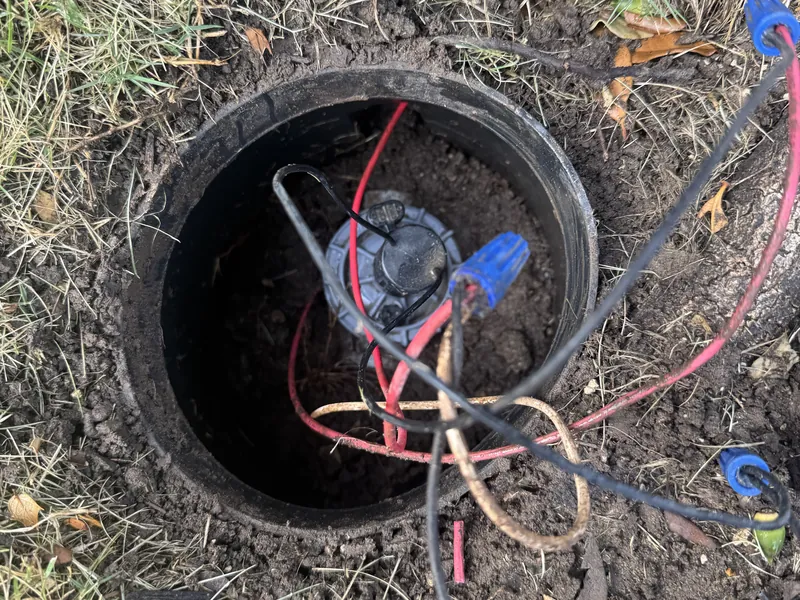
The solenoid is an electrically operated component located on top of or attached to a sprinkler valve.
Your irrigation controller sends low-voltage electricity through the sprinkler wiring to the solenoid.
When the solenoid receives the signal, it creates a magnetic field that allows the sprinkler valve to open.
When the electrical signal stops, the valve should close.
A defective solenoid can prevent the valve from operating properly even when the rest of the valve is still in good condition.
Signs of a Bad Sprinkler Solenoid
Common symptoms include:
One Sprinkler Zone Will Not Turn On
If the other zones operate normally but one zone does not start, the solenoid may not be opening the valve.
However, the problem could also involve:
- Broken sprinkler wiring
- Bad wire connection
- Controller malfunction
- Damaged valve diaphragm
- Low water pressure
- Flow-control setting
- Master valve problem
Proper diagnosis is important before replacing the solenoid.
Sprinkler Zone Will Not Shut Off
A sprinkler zone that continues running can sometimes be caused by a solenoid or valve problem.
Possible causes include:
- Solenoid installed incorrectly
- Solenoid manually opened
- Debris inside the valve
- Damaged diaphragm
- Worn valve components
- Valve mechanically stuck open
If the sprinkler zone keeps running even after the controller is turned off, shutting off the irrigation water supply may be necessary until the problem is repaired.
Sprinkler Zone Works Intermittently
A failing solenoid may work sometimes and fail at other times.
Intermittent sprinkler problems can also come from:
- Corroded wire connections
- Loose waterproof connectors
- Damaged underground wiring
- Weak transformer voltage
- Controller problems
This is why electrical testing is often performed before replacing the solenoid.
Solenoid Buzzes or Hums
Some irrigation solenoids produce a slight sound when energized.
However, unusually loud buzzing or humming can indicate:
- Failing solenoid
- Incorrect voltage
- Electrical problem
- Internal valve problem
Solenoid Replacement vs. Complete Valve Replacement
Replacing only the solenoid is usually appropriate when the valve body and internal components are still in good condition.
Replace the Solenoid When:
- Valve body is undamaged
- Diaphragm is functioning properly
- Solenoid fails electrical testing
- Wiring is good
- Valve opens manually but not electrically
Replace the Complete Valve When:
- Valve body is cracked
- Diaphragm is damaged
- Valve leaks internally
- Valve is severely corroded
- Multiple components have failed
- Replacement parts are unavailable
- Valve is very old or obsolete
A good sprinkler technician should determine whether replacing the solenoid alone will actually solve the problem.
What Does a Sprinkler Solenoid Cost?
The solenoid itself is usually an inexpensive part.
Many residential sprinkler solenoids may cost approximately:
$10–$40 for the part
Some specialty or commercial irrigation solenoids can cost more.
However, the majority of the professional repair cost comes from:
- Diagnostic time
- Travel
- Locating the valve
- Opening the valve box
- Electrical testing
- Removing the old solenoid
- Installing the replacement
- Waterproofing connections
- Testing the sprinkler zone
- Confirming proper valve operation
The cost of the part alone does not represent the total cost of the repair.
Why Does Solenoid Replacement Cost More Than the Part?
Homeowners sometimes see a $15 or $25 solenoid online and wonder why professional repair costs substantially more.
The technician is not simply replacing a part.
The technician must determine why the sprinkler zone stopped working.
For example, a zone that does not operate could be caused by:
- Bad solenoid
- Broken common wire
- Broken zone wire
- Corroded connection
- Controller problem
- Valve diaphragm problem
- Water-pressure problem
- Master valve malfunction
Replacing the solenoid without diagnosing the system can result in replacing a perfectly good part.
How Is a Bad Sprinkler Solenoid Diagnosed?
A technician may perform several tests.
Step 1 — Test the Controller
The technician may verify that the controller is sending approximately 24 volts AC to the sprinkler zone.
Step 2 — Check the Wiring
The wire connections at the sprinkler valve should be inspected for:
- Corrosion
- Loose connections
- Broken wires
- Improper connectors
Underground irrigation connections should normally use waterproof connectors.
Step 3 — Test the Solenoid
Electrical resistance can be measured using a multimeter.
A resistance reading significantly outside the expected range may indicate a damaged solenoid.
Step 4 — Manually Open the Valve
The technician may manually activate the valve.
If the valve operates manually but not electrically, that can help isolate the electrical or solenoid problem.
Step 5 — Inspect the Valve
If the solenoid appears functional, the problem may be inside the valve.
The technician may inspect:
- Diaphragm
- Bleed port
- Internal debris
- Valve seat
- Flow control
- Internal damage
How Long Does Sprinkler Solenoid Replacement Take?
If the sprinkler valve is easy to locate and access, replacement may take approximately:
15–30 minutes
However, the overall service call can take longer if troubleshooting is necessary.
The repair may take considerably longer when:
- Valve is buried
- Valve box is full of mud
- Wiring is damaged
- Valve location is unknown
- Multiple valves need testing
- Valve must be rebuilt
- Entire valve requires replacement
Does the Sprinkler Valve Need to Be Dug Up?
Not always.
Many irrigation valves are installed inside underground valve boxes.
If the valve box is accessible, the solenoid can normally be replaced without significant excavation.
However, digging may be necessary if:
- Valve box is buried
- Landscaping has covered the valve
- Valve was installed without a box
- Tree roots surround the valve
- Valve location is unknown
Finding buried sprinkler valves can become a separate diagnostic service.
Can You Replace Only the Solenoid?
Yes.
In many cases, the solenoid can be replaced without replacing the entire valve.
This is often the preferred repair when the valve body and diaphragm are still operating correctly.
However, replacing only the solenoid will not solve problems caused by damaged internal valve components.
Can I Replace a Sprinkler Solenoid Myself?
Some homeowners can replace a sprinkler solenoid themselves.
The general process involves:
- Turn off the irrigation controller.
- Shut off irrigation water if necessary.
- Locate the sprinkler valve.
- Disconnect the solenoid wires.
- Unscrew the old solenoid.
- Install the correct replacement solenoid.
- Reconnect the wires using waterproof connectors.
- Turn the system back on.
- Test the sprinkler zone.
The replacement solenoid must be compatible with the irrigation valve.
If the problem involves underground wiring or valve malfunction rather than the solenoid itself, additional troubleshooting may be required.
Common Sprinkler Solenoid Brands
Residential irrigation systems commonly use valves manufactured by companies such as:
- Rain Bird
- Hunter
- Irritrol
- Toro
- Weathermatic
- Orbit
- K-Rain
Solenoids are not always interchangeable between manufacturers or even between different valve models from the same manufacturer.
The correct replacement part should be used.
What Causes a Sprinkler Solenoid to Fail?
Common causes include:
Age
Electrical components eventually wear out.
Water Intrusion
Poor electrical connections can allow moisture into the wiring.
Lightning or Electrical Surge
Electrical surges can damage irrigation controllers, wiring, and solenoids.
Damaged Wiring
Landscape work, tree roots, animals, digging, and construction can damage underground irrigation wiring.
Corrosion
Improper underground connections can corrode over time.
Controller Problems
Incorrect voltage or controller problems can sometimes affect valve operation.
Can a Bad Solenoid Cause a Sprinkler Valve to Stay Open?
Sometimes.
However, a sprinkler valve that will not shut off is frequently caused by mechanical problems inside the valve.
Common causes include:
- Torn diaphragm
- Debris inside valve
- Damaged valve seat
- Solenoid not tightened properly
- Manual bleed screw left open
- Valve failure
The valve should be properly diagnosed before assuming the solenoid is responsible.
Why Won’t My Sprinkler Zone Turn On?
If a sprinkler zone will not operate, possible causes include:
- Bad solenoid
- Broken sprinkler wire
- Corroded wire connection
- Controller problem
- Damaged valve
- Closed flow control
- Master valve failure
- Water supply problem
A systematic diagnostic process is usually faster and less expensive than randomly replacing parts.
Is It Worth Replacing a Sprinkler Solenoid?
Yes, when the remaining sprinkler valve is in good condition.
A solenoid replacement can often restore the valve without the expense of replacing the entire valve assembly.
However, if the valve is old, leaking, cracked, or experiencing multiple problems, replacing the entire valve may make more sense.
Sprinkler Solenoid Replacement Cost FAQ
How much does a sprinkler solenoid cost?
The replacement solenoid itself often costs approximately $10–$40, depending on the brand and valve model.
How much does professional sprinkler solenoid replacement cost?
A typical professional repair may cost approximately $100–$250, although pricing varies depending on accessibility and diagnostic requirements.
How do I know if my sprinkler solenoid is bad?
Common symptoms include one zone not activating, intermittent operation, abnormal electrical resistance, or a valve that works manually but not from the controller.
Can a sprinkler solenoid be repaired?
Solenoids are generally replaced rather than repaired.
Do I need to replace the entire sprinkler valve?
Not necessarily. If the valve body and internal components are still good, replacing only the solenoid may solve the problem.
How long does solenoid replacement take?
A straightforward replacement may take approximately 15–30 minutes, although troubleshooting or locating buried valves can increase the repair time.
Can a bad sprinkler wire look like a bad solenoid?
Yes. Broken or corroded sprinkler wiring can produce symptoms very similar to a failed solenoid.
Get the Sprinkler Problem Diagnosed Before Replacing Parts
A sprinkler zone that will not start does not automatically mean the solenoid is bad.
The best repair process is to identify whether the problem is coming from the:
Controller → sprinkler wiring → solenoid → sprinkler valve → water supply
Correct diagnosis prevents unnecessary part replacement and can reduce the overall cost of repairing the sprinkler system.