A professional sprinkler system inspection typically costs about $75 to $175 for a residential system, although prices can be lower for a basic system check and higher for large, complicated, or difficult-to-diagnose irrigation systems.
The biggest factor is what the company means by “inspection.”
A quick sprinkler check may simply involve turning on each zone and looking for obvious problems. A comprehensive irrigation inspection can include testing the controller, valves, sprinkler heads, leaks, coverage, pressure, wiring, backflow components, and overall system performance.
Quick Cost Summary
| Sprinkler Inspection Service | Typical Cost |
|---|---|
| Basic sprinkler system check | $40–$75 |
| Standard residential inspection | $75–$150 |
| Comprehensive system inspection | $125–$250 |
| Large 12+ zone system | $150–$300+ |
| Sprinkler diagnostic visit | $75–$175 |
| Commercial irrigation inspection | Often priced per zone or property |
| Repairs discovered during inspection | Additional |
Typical homeowner budget: $75–$175
Inspection prices vary by location, number of zones, system complexity, accessibility, and how detailed the inspection is.
What Is a Sprinkler System Inspection?
A sprinkler system inspection is a systematic evaluation of the irrigation system to determine whether it is operating correctly.
The technician normally activates the system one zone at a time and checks its major components.
An inspection can identify problems homeowners may not notice, including:
- Broken sprinkler heads
- Clogged nozzles
- Crooked or buried heads
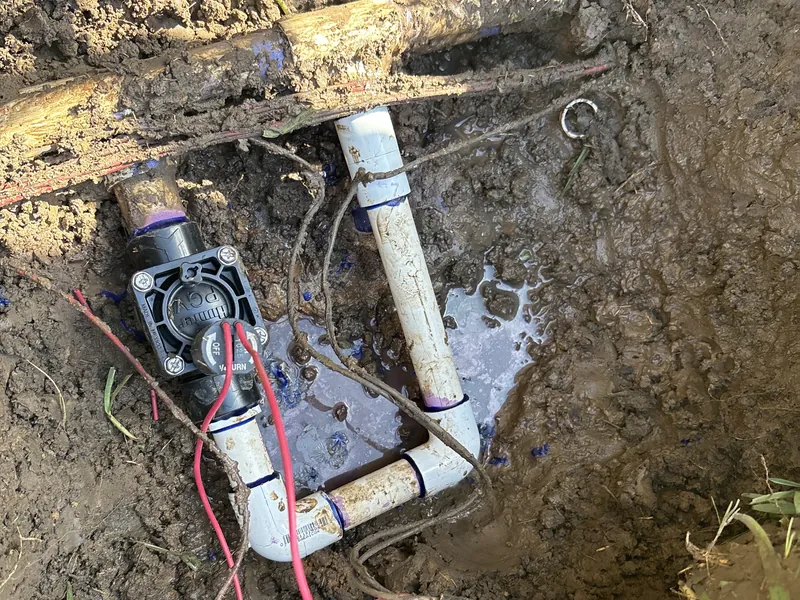
- Leaking valves
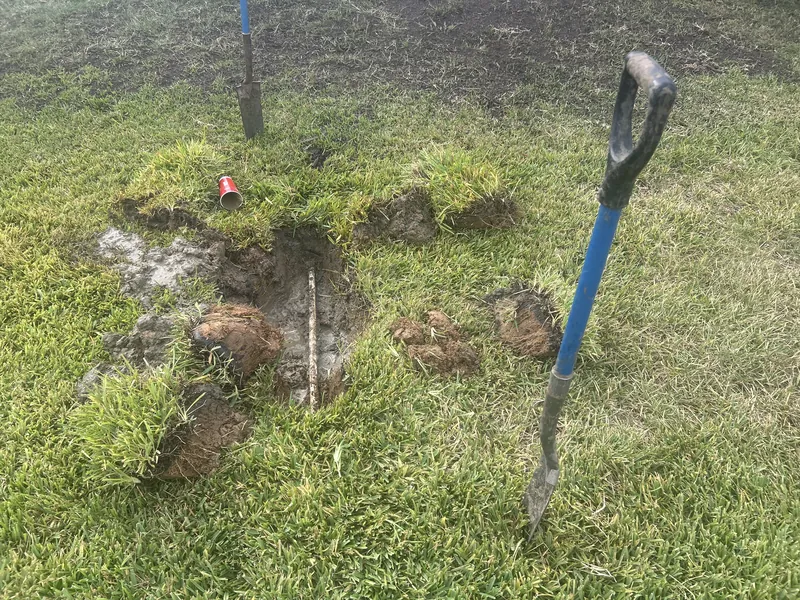
- Underground leaks
- Zones that will not operate
- Zones that remain running
- Low water pressure
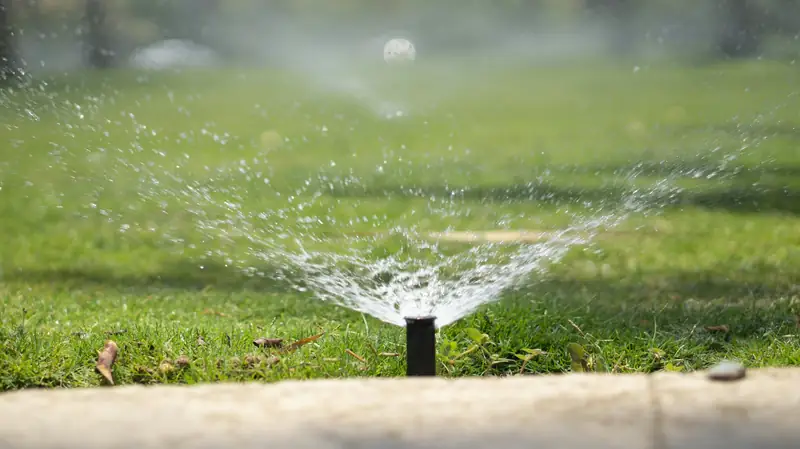
- Poor sprinkler coverage
- Overspray onto streets and sidewalks
- Controller programming problems
- Electrical or wiring problems
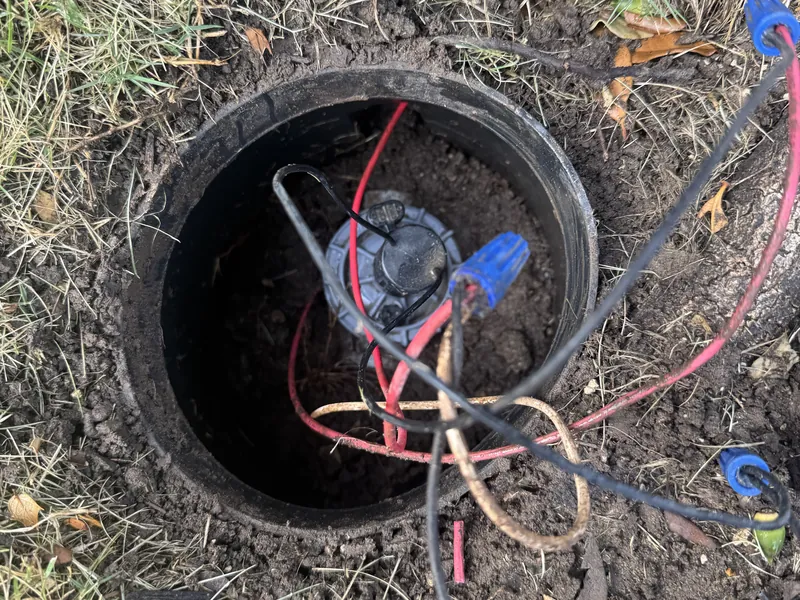
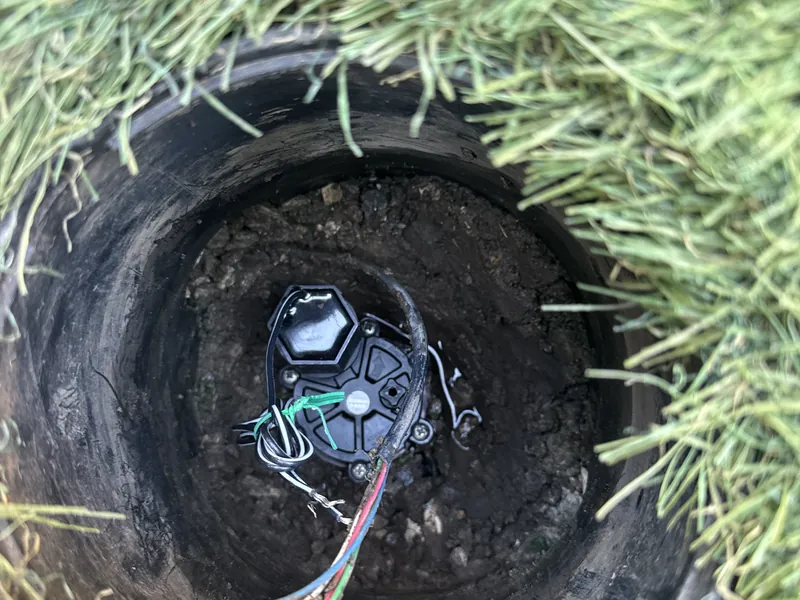
- Damaged valve boxes
- Improper watering schedules
- Missing sprinkler heads
- Mismatched nozzles
- Excessive runoff
- Water being wasted
Finding these problems early can sometimes prevent a relatively inexpensive irrigation repair from becoming a larger problem.
How Much Does a Sprinkler System Inspection Cost?
For most residential properties, expect approximately:
Basic Inspection — $40–$75
Usually includes:
- Turning the system on
- Running the irrigation zones
- Identifying obvious broken heads
- Looking for visible leaks
- Checking basic controller operation
This is sometimes called a:
- Sprinkler check
- Wet check
- System check
- Irrigation checkup
It should not automatically be assumed to be a comprehensive diagnostic inspection.
Standard Sprinkler Inspection — $75–$150
A more complete inspection may include:
- Controller evaluation
- Running every zone
- Checking sprinkler heads
- Checking spray patterns
- Looking for visible leaks
- Checking valve operation
- Identifying broken equipment
- Checking coverage problems
- Identifying obvious pressure issues
- Recommendations for needed repairs
This is appropriate for many typical residential irrigation systems.
Comprehensive Irrigation Inspection — $125–$250+
A detailed irrigation inspection may go considerably further.
It could include:
- Complete zone-by-zone evaluation
- Controller inspection
- Valve testing
- Sprinkler head inspection
- Coverage evaluation
- Pressure evaluation
- Leak identification
- Wiring diagnostics
- Backflow visual inspection
- Water-use observations
- Nozzle evaluation
- System efficiency recommendations
- Written repair recommendations
Large properties and complicated systems may cost more.
Sprinkler Inspection Cost by Number of Zones
The number of irrigation zones is one of the most important pricing factors.
| Number of Zones | Possible Inspection Range |
|---|---|
| 1–4 zones | $60–$125 |
| 5–8 zones | $75–$150 |
| 9–12 zones | $100–$200 |
| 13–20 zones | $150–$300 |
| 20+ zones | Custom pricing |
These are general planning ranges rather than guaranteed contractor prices.
A six-zone suburban sprinkler system can usually be evaluated considerably faster than a 24-zone system covering a large residential property.
What Should Be Checked During a Sprinkler Inspection?
A good irrigation inspection should follow the water from the controller through the system.
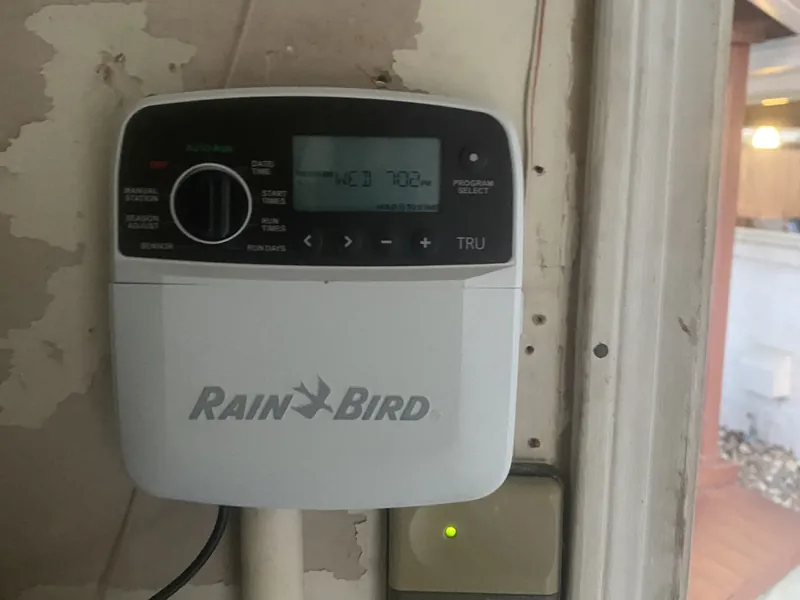
1. Sprinkler Controller
The technician may examine:
- Power
- Date and time
- Watering days
- Start times
- Run times
- Seasonal adjustments
- Rain sensor settings
- Fault messages
- Station operation
One of the most common sprinkler problems is surprisingly simple: incorrect controller programming.
2. Each Irrigation Zone
Every available zone should normally be activated individually.
The technician can determine:
- Whether the zone starts
- Whether it shuts off
- Whether pressure appears normal
- Whether the correct area is being watered
- Whether leaks are visible
A homeowner may have a ten-zone system but rarely watch all ten zones operate.
That is why hidden problems can remain unnoticed for months.
3. Sprinkler Heads
Sprinkler heads should be checked for problems such as:
- Broken heads
- Missing heads
- Cracked bodies
- Clogged nozzles
- Heads that do not pop up
- Heads that do not retract
- Incorrect spray patterns
- Tilted heads
- Sunken heads
- Heads spraying pavement
- Incorrect head height
Even one damaged sprinkler head can waste a surprising amount of water.
4. Sprinkler Valves
Valve problems can cause:
- Zones that will not start
- Zones that will not shut off
- Low pressure
- Intermittent operation
- Constant leaking
- Water slowly escaping from sprinkler heads
A system inspection may reveal whether further valve diagnostics are necessary.
5. Sprinkler Coverage
A sprinkler system can technically operate while still watering poorly.
The technician should watch for:
- Dry areas
- Overwatered areas
- Sprinklers blocked by plants
- Incorrect nozzle patterns
- Poor head spacing
- Overspray
- Water hitting fences or buildings
- Water running into streets
Good coverage is about more than simply seeing water come out of the sprinkler heads.
6. Visible Sprinkler Leaks
The system should be checked for signs such as:
- Standing water
- Bubbling ground
- Unusually wet areas
- Water around valve boxes
- Water flowing from damaged heads
- Pressure loss
- Areas remaining wet after irrigation
Some leaks are obvious.
Others require additional leak detection or diagnostic work.
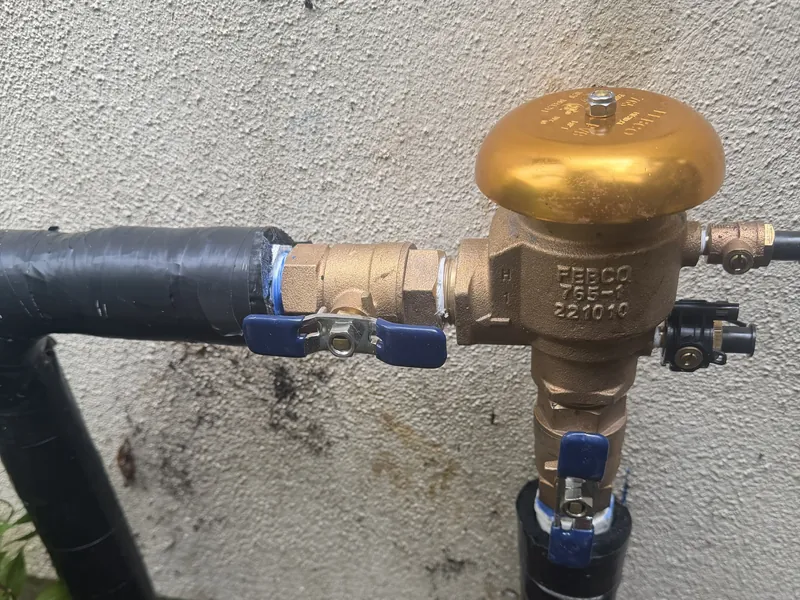
7. Backflow Device
Where accessible, an irrigation professional may visually examine the backflow assembly and surrounding piping for obvious:
- Leaks
- Damage
- Corrosion
- Freeze damage
- Improper positioning
A visual sprinkler inspection is not necessarily the same thing as an official backflow test.
Certified backflow testing may be a separate service.
Sprinkler Inspection vs. Sprinkler Diagnostic
These terms are often used interchangeably, but there can be an important difference.
Inspection
Answers:
“What problems does my sprinkler system have?”
The technician evaluates the overall system.
Diagnostic
Answers:
“Why is this particular problem happening?”
For example:
- Why won’t Zone 4 operate?
- Why does the controller show an error?
- Why does one valve stay running?
- Why is there low pressure?
- Why does the sprinkler system start by itself?
Diagnosis may require additional testing after the initial inspection discovers the problem.
Inspection vs. Sprinkler Repair
An inspection normally identifies problems.
It does not necessarily include repairing them.
For example, an inspection might identify:
- 3 broken sprinkler heads
- 2 clogged nozzles
- 1 leaking valve
- 1 zone that will not operate
- Incorrect controller programming
The contractor can then provide recommendations or pricing for those repairs.
Before scheduling an inspection, ask:
“Does the inspection price include repairs, or are repairs additional?”
Is the Inspection Fee Applied Toward Repairs?
Sometimes.
Sprinkler companies use several different pricing models.
Model 1 — Inspection Fee Plus Repairs
Example:
Inspection: $95
Repairs: $275
Total: $370
Model 2 — Inspection Credited Toward Repairs
Example:
Inspection: $95
Repairs: $275
$95 inspection credit
Total: $275
Model 3 — Service Call With Included Diagnostic Time
The contractor charges a service-call fee that includes a certain amount of technician time.
Additional repairs and labor are then charged separately.
Always ask how the contractor handles the inspection charge before scheduling.
What Makes a Sprinkler Inspection Cost More?
Several factors can increase the inspection price.
Number of Zones
More zones require more technician time.
Property Size
Large properties generally have more heads, valves, piping, and possible failure points.
System Condition
A well-maintained six-zone system may be easy to inspect.
An older system with:
- Missing valve boxes
- Buried sprinkler heads
- Wiring problems
- Multiple leaks
- Unknown modifications
may require much more diagnostic work.
Accessibility
Costs may increase if technicians need to locate:
- Buried valves
- Hidden valve boxes
- Unknown shutoffs
- Difficult-to-access controllers
Advanced Diagnostics
Additional charges may apply for:
- Wire locating
- Valve locating
- Leak detection
- Electrical troubleshooting
- Pressure testing
- Backflow testing
When Should You Have Your Sprinkler System Inspected?
Consider an inspection when:
- You purchase a house
- You sell a house
- Your water bill suddenly increases
- Your lawn develops dry areas
- Your system has not been checked recently
- You see water running into the street
- Several sprinkler heads appear damaged
- Zones are not operating
- You recently completed landscaping
- Construction occurred on the property
- You suspect an underground leak
- You inherit an irrigation system you know little about
Should I Have My Sprinkler System Inspected Every Year?
For many homeowners, an annual system check is a reasonable maintenance practice.
Sprinkler systems operate outdoors where equipment is exposed to:
- Lawn equipment
- Soil movement
- Tree roots
- Landscaping
- Vehicles
- Animals
- Weather
- Construction
A system that operated perfectly last year may have several problems the following season.
In hot climates where irrigation systems operate extensively, periodic checks can be particularly useful.
Is a Sprinkler Inspection Worth the Money?
It can be, particularly when the inspection discovers water waste.
Imagine a system with:
- Two broken heads
- One misaligned rotor
- An incorrectly programmed controller
- A small valve leak
All four problems may continue wasting water every time the system operates.
The inspection does not just look for equipment failures.
It can identify where your irrigation system is wasting water and where future repairs may be needed.
Can I Inspect My Own Sprinkler System?
You can perform a basic homeowner inspection.
Turn the system on manually and walk through every zone.
Look for:
- Broken heads
- Water spraying straight upward
- Clogged nozzles
- Heads spraying pavement
- Dry spots
- Excessively wet spots
- Water around valve boxes
- Low-pressure zones
- Heads that do not rise
- Water continuing after a zone shuts off
Also check the controller.
However, professional diagnosis may be needed for:
- Wiring problems
- Faulty valves
- Underground leaks
- Pressure problems
- Missing valves
- Controller failures
- Backflow issues
Sprinkler System Inspection Checklist
A comprehensive residential sprinkler inspection may include:
Controller
- Controller powers on
- Date and time correct
- Start times reviewed
- Watering days reviewed
- Run times reviewed
- Each station activates
- Rain sensor checked
Water Supply
- Irrigation water turned on
- Shutoff valve accessible
- Visible supply piping inspected
- Backflow assembly visually checked
Zones
- Every zone activated
- Zone starts correctly
- Zone shuts off correctly
- Pressure appears adequate
- No obvious leaks
Sprinkler Heads
- Broken heads identified
- Missing heads identified
- Clogged nozzles identified
- Tilted heads identified
- Buried heads identified
- Spray patterns checked
Coverage
- Dry areas identified
- Overspray identified
- Blocked sprinklers identified
- Incorrect patterns identified
- Runoff identified
Valves
- Valve operation evaluated
- Valve boxes visually inspected
- Continuous leaking identified
Final Evaluation
- Problems documented
- Recommended repairs listed
- Priority repairs identified
- Water-saving improvements discussed
Questions to Ask Before Hiring a Sprinkler Company
Before scheduling an inspection, ask:
- What exactly is included in the inspection?
- Will you run every sprinkler zone?
- How many zones are included in the price?
- Are repairs included?
- Is the inspection fee credited toward repairs?
- Will I receive recommendations afterward?
- Can you repair problems during the same visit?
- Are additional diagnostic charges possible?
- Are you properly licensed where licensing is required?
The cheapest inspection is not necessarily the best value.
You want to know what is actually being inspected.
Frequently Asked Questions
How long does a sprinkler inspection take?
Many residential inspections can take approximately 30 minutes to an hour, depending on system size and condition.
Complex systems can take longer.
How much is a sprinkler inspection for eight zones?
A typical residential system of this size might cost approximately $75 to $150 to inspect, depending on location and inspection scope.
Does an irrigation inspection include repairs?
Usually not unless specifically stated.
Inspection and repair charges should be explained before work begins.
Will the technician run every sprinkler zone?
A comprehensive system inspection generally should include operating each accessible zone.
Can an inspection find underground leaks?
It may identify symptoms of an underground leak, but specialized leak detection may be required to locate the exact source.
Does an inspection include backflow testing?
Not necessarily.
A visual inspection of the backflow device and an official backflow test are different services.
Should I get my sprinkler system inspected before buying a house?
It can be beneficial.
A home irrigation system may contain problems that are not discovered during a normal home inspection.
How often should sprinklers be inspected?
Many homeowners benefit from checking the system at least once per irrigation season and anytime water usage, lawn appearance, or system performance changes.
Bottom Line
For a typical residential property, homeowners should generally budget approximately $75 to $175 for a professional sprinkler system inspection.
A simple system check may cost less, while a comprehensive inspection of a large or complicated irrigation system can cost $150 to $300 or more.
The most important question isn’t simply:
“How much is the inspection?”
It is:
“What does the inspection include?”
A thorough sprinkler inspection should help identify leaks, broken equipment, poor coverage, controller problems, valve issues, and water waste before they become bigger problems.