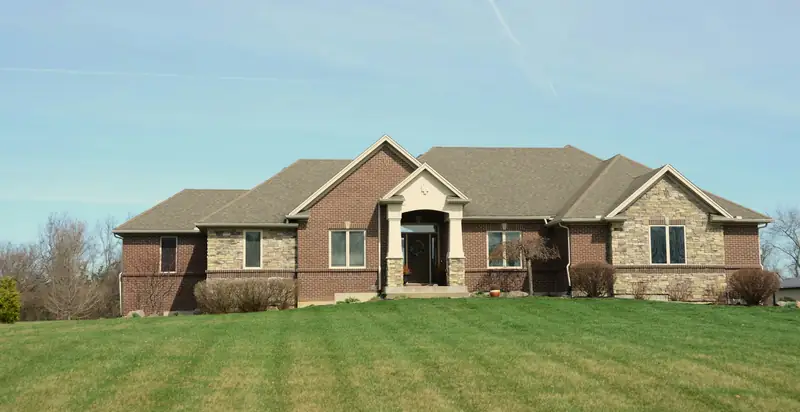
League City is in Galveston County, between Houston and the Gulf. Lawns here grow on flat, slow-draining coastal ground, and watering rules come from the City’s drought contingency plan when it’s active.
Diagnose My Sprinkler Problem See Typical Repair Costs Find Local Help in League City
League City Watering Rules
League City’s Drought Contingency Plan is part of the City Code, Chapter 114, Article VI (League City Code). The City posts the current stage and any watering limits on its Drought Contingency Plan page and through its alerts (City of League City). Check there before you change your controller. Some neighborhoods are served by a utility district, so confirm who bills you for water.
Soil and Climate
Much of the Houston area is coastal prairie clay. One common example is Lake Charles clay, whose official type location is in Fort Bend County. It is very deep and very slowly permeable, and in dry spells it cracks up to 2 inches wide and a foot or more deep (USDA-NRCS soil description). For a sprinkler system, that means water soaks in slowly, so long cycles run off or pool. The ground also shrinks and swells around buried pipe and fittings, and wet spots can stay wet long after watering, which makes a slow leak harder to spot. To see what’s under your own yard, look up your address in the USDA Web Soil Survey.
This area is in USDA hardiness zone 9b, where the coldest night of a typical year reaches 25–30°F (USDA Plant Hardiness Zone Map). Freezes are rare, but they happen. During the February 2021 winter storm, the City of Houston fell to 13°F, and the National Weather Service reported broken pipes across the region (NWS Houston/Galveston). Backflow preventers and exposed pipe above ground are the sprinkler parts most likely to crack. If yours sprays or drips after a freeze, see backflow preventer leaking.
Problems League City Conditions Make More Likely
- Water pooling after sprinklers on slow-draining clay
- Underground leaks and cracked pipe or fittings where soil shifts
- Valve box full of water, often a leak at or near a valve
- High water bills from leaks that hide in wet ground
- Backflow preventer leaks after a freeze
Hiring Someone in Texas
Texas licenses landscape irrigators at the state level. Under Texas Occupations Code Chapter 1903, anyone who installs, repairs or services an irrigation system for pay generally needs a state irrigator license, or must work under a licensed irrigator. A homeowner working on their own property is exempt. Ask any contractor for their license number and check it with the state (license information).
Texas rules also require backflow protection on irrigation systems connected to drinking water (30 TAC 344.50). If your backflow device is leaking or was damaged, have a licensed professional repair it rather than taking it apart yourself.
Get Help With a League City Sprinkler Problem
Not sure what’s wrong? Use the sprinkler diagnosis tool, check typical repair costs, read the Houston-area watering restrictions guide, or find local help.
Frequently Asked Questions
Does League City have watering restrictions?
Only when the City activates a stage of its Drought Contingency Plan (City Code Ch. 114, Art. VI). The City announces stages on its website and through alerts.
Why does my League City lawn stay soggy after watering?
Slow-draining clay holds water near the surface. Try shorter cycles with soak time in between. If one area stays wet even with the system off, check for a leak.
Sources
Checked October 2026. Rules change with drought stages, so always confirm with your water provider.
- League City Code of Ordinances, Ch. 114, Art. VI: Drought Contingency Plan
- City of League City: Drought Contingency Plan
- USDA-NRCS Official Series Description: Lake Charles soil series
- USDA-NRCS Web Soil Survey
- USDA Plant Hardiness Zone Map (2023), looked up by ZIP
- National Weather Service Houston/Galveston: Valentine’s Week Winter Outbreak 2021
- Texas Occupations Code Chapter 1903 (Irrigators)
- State of Texas: landscape irrigator license information
- 30 Tex. Admin. Code 344.50: Backflow prevention methods