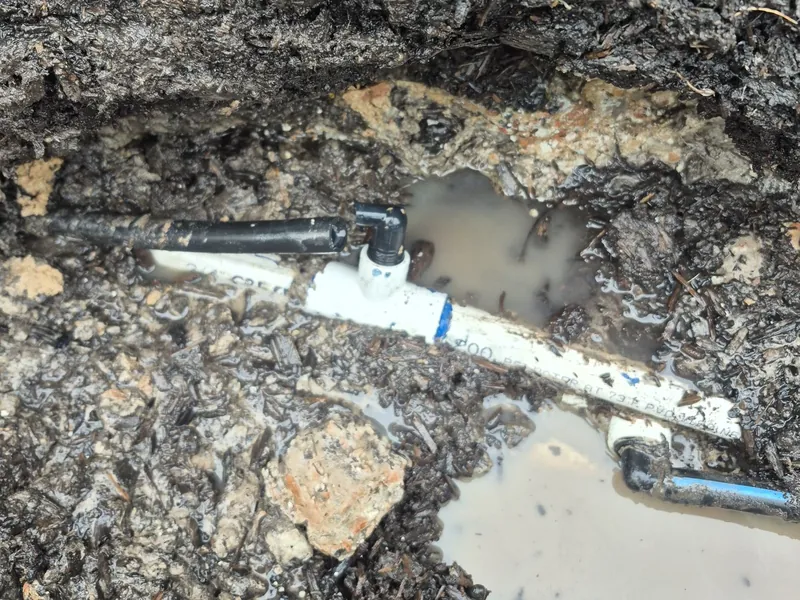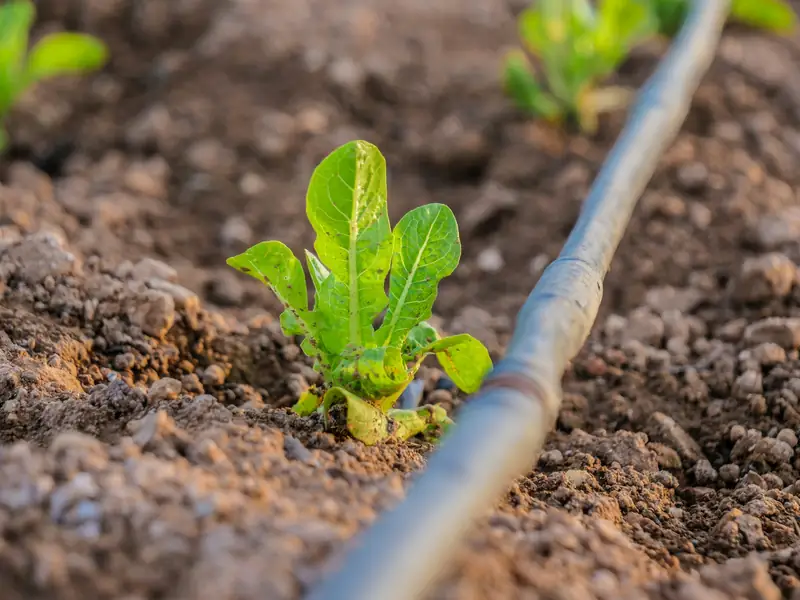
Drip irrigation delivers water slowly through tubing and emitters to beds, shrubs and trees.
Drip repair includes fixing leaks and breaks, replacing clogged emitters, cleaning filters and checking pressure regulators.
Diagnose My Sprinkler Problem See Typical Repair Cost Find a Sprinkler Pro
Signs You May Need This Repair
- Dry or wilting plants
- Puddles or soggy spots
- Broken or disconnected tubing
- Emitters not dripping
- Water spraying from tubing
Common Causes
- Clogged emitters or filters
- Damaged tubing from digging or animals
- Disconnected fittings
- Pressure regulator problems
How a Technician Handles It
- Run the drip zone and inspect emitters and tubing
- Clean or replace filters
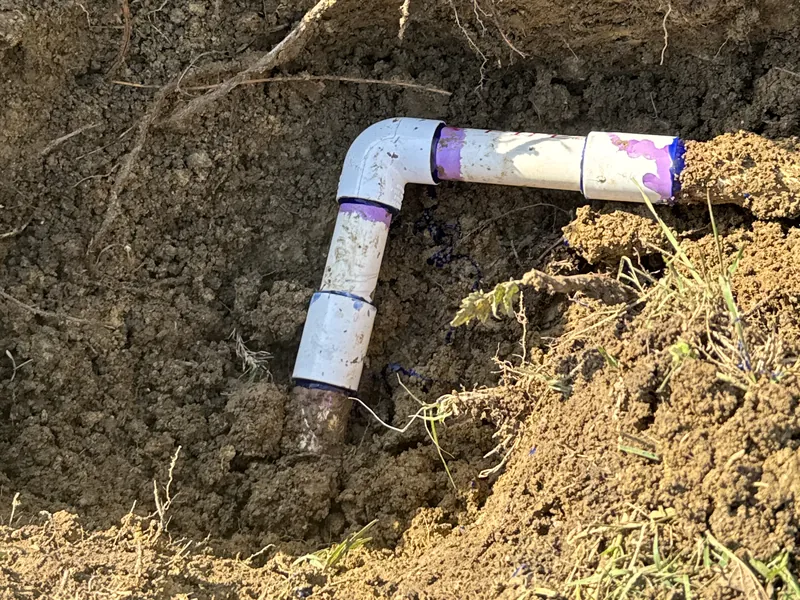
- Repair tubing and fittings
- Replace clogged emitters
- Check pressure regulation
Repair or Replace?
Most drip problems are fixed with targeted repairs. Older systems with widespread clogging may benefit from replacement tubing or emitters.
DIY or Call a Pro?
Simple tubing and emitter repairs can be manageable for homeowners. Pressure, valve and filter problems may need a technician.
Typical Cost
See our sprinkler repair cost guides for typical ranges. Prices vary by location, parts, access and how much diagnosis is needed.
Related Problems
- Why Does My Lawn Have Dry Spots Even With Sprinklers?
- Why Is Water Pooling After My Sprinklers Run?
- Why Won’t My Sprinkler Zone Turn On?
- Why Is My Sprinkler Water Pressure Low?
Related Repairs
Frequently Asked Questions
Why are my drip emitters not working?
Clogged emitters or filters, low pressure or damaged tubing.
Do drip systems need filters?
Most drip systems use a filter and pressure regulator.
Can drip lines be repaired?
Yes, with couplings and replacement tubing or emitters.
Bottom Line
Drip irrigation repair usually targets clogs, leaks and pressure. A technician can check the whole drip zone, including the valve, filter and regulator.
Diagnose My Sprinkler Problem See Typical Repair Cost Find a Sprinkler Pro