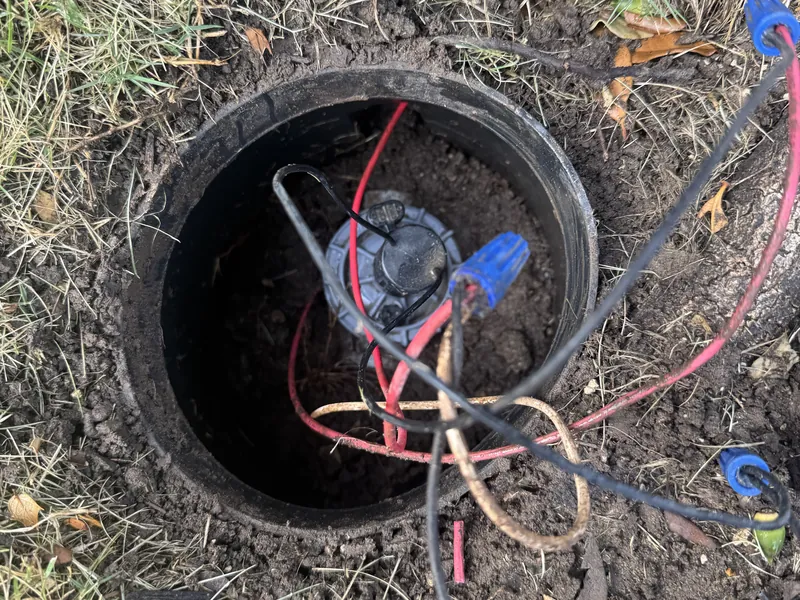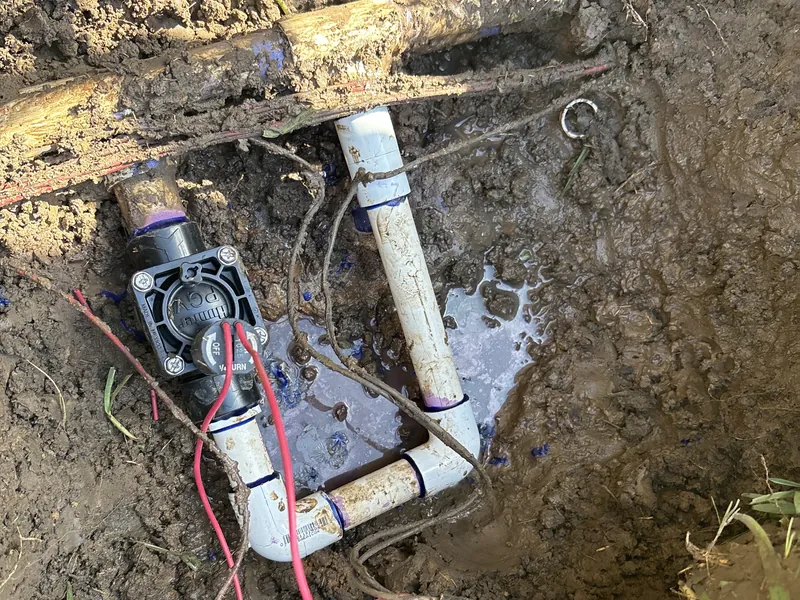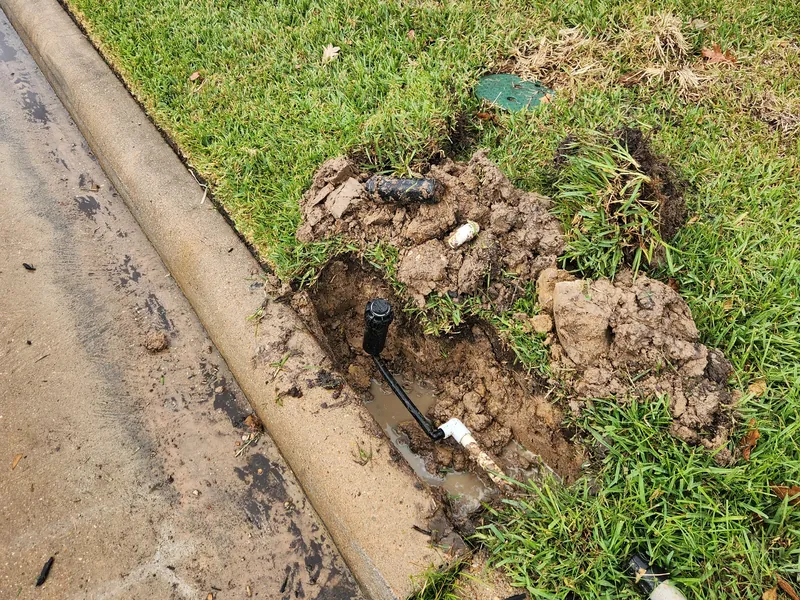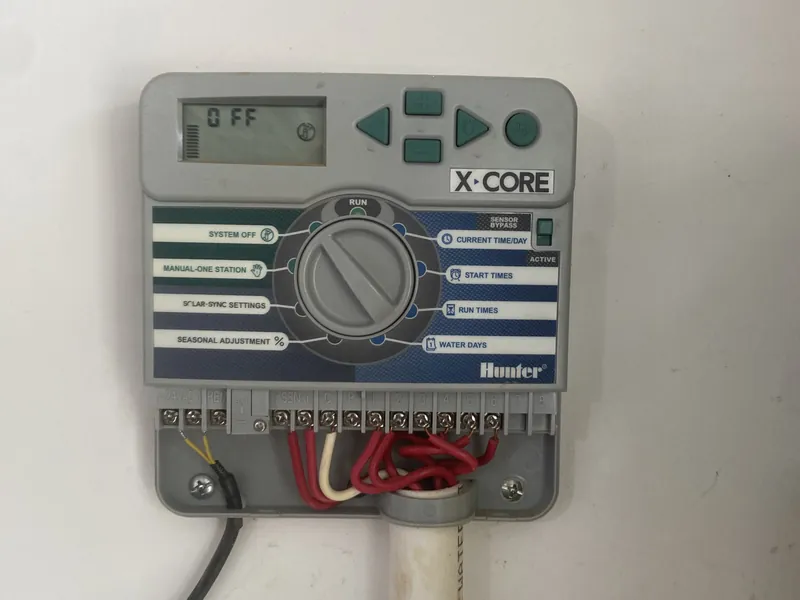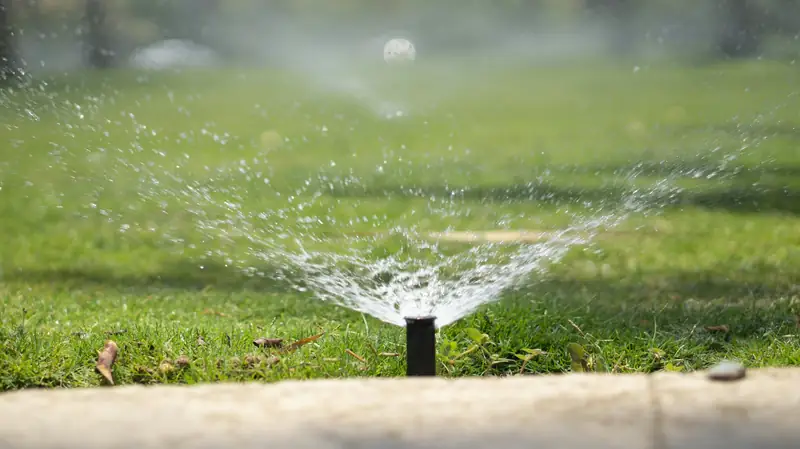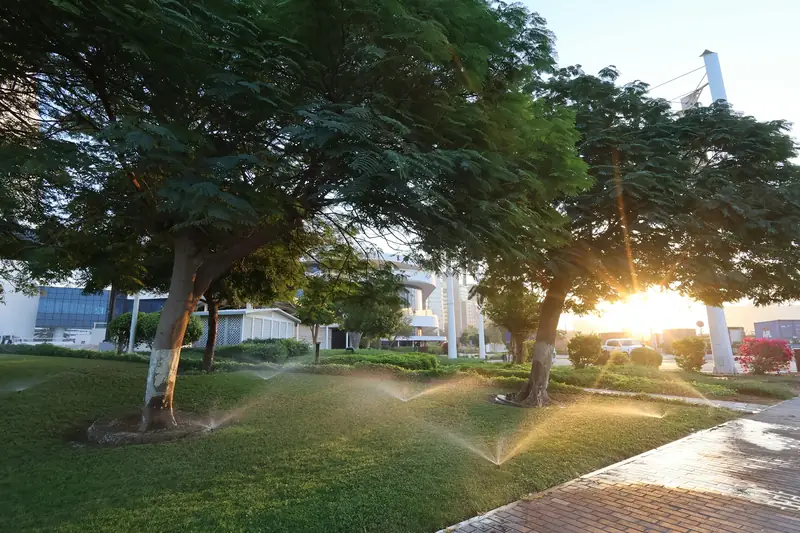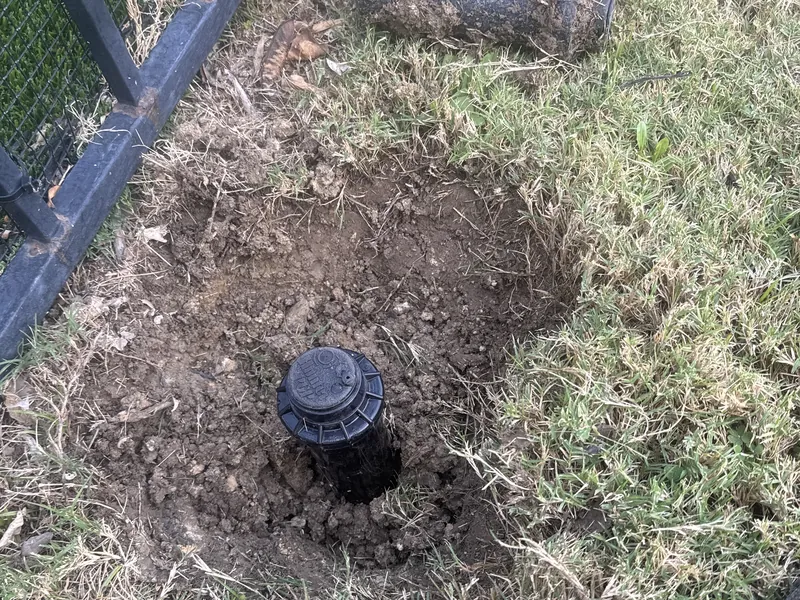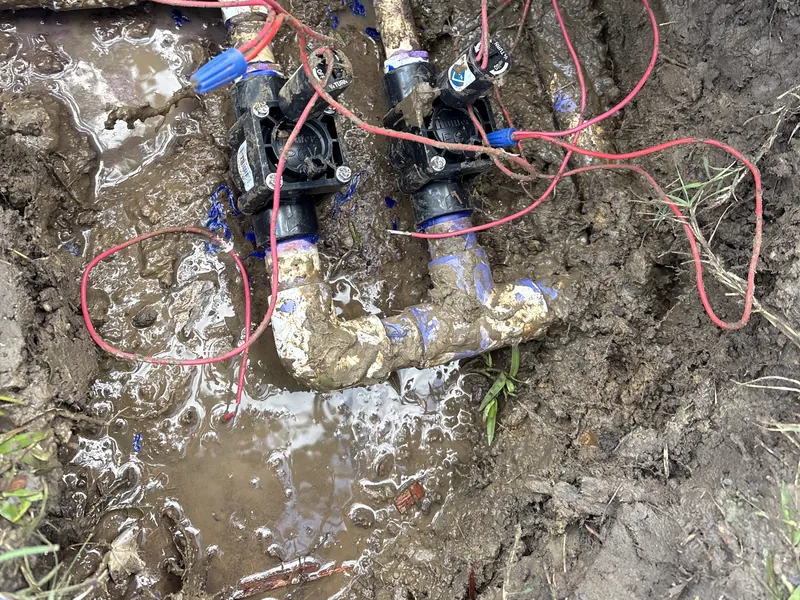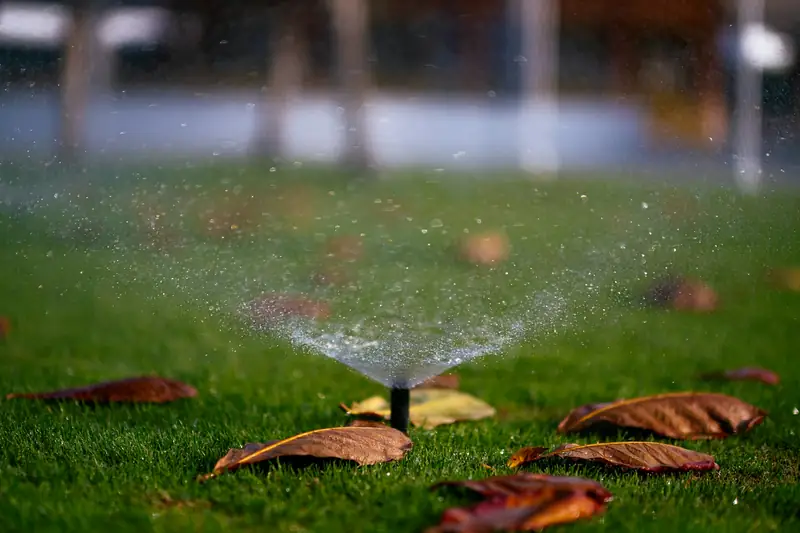
Low sprinkler pressure shows up as weak spray, heads that barely rise, short throw distance or dry spots between heads.
Whether the low pressure affects one zone or the whole system is the most useful clue to what’s causing it.
Diagnose My Sprinkler Problem See Typical Repair Cost Find a Sprinkler Pro
Quick Answer
If low pressure affects only one zone, look for a leak in that zone, a valve that isn’t opening fully, clogged nozzles or too many heads. If every zone has low pressure, the cause is more likely the water supply, a partly closed shutoff, the backflow preventer, a mainline leak or a pressure regulator. Start by comparing zones.
What You May Be Seeing
- Weak or misty spray
- Heads rising only partway
- Short spray distance
- Dry spots between heads
- Low pressure in only one zone
- Low pressure in every zone
- Pressure that changed suddenly
Sprinkler heads are designed to work within a pressure range. Below it, heads may not rise or seal, and the spray may not reach the next head, leaving gaps in coverage.
The First Question to Ask
Is the low pressure in one zone or in the whole system?
One weak zone usually means a problem in that zone. Every zone weak usually means something on the supply side is restricting water before it reaches the zones.
If Only One Zone Has Low Pressure
The problem is probably in that zone.
Common causes include:
- Leak in the zone: a broken pipe, fitting or head
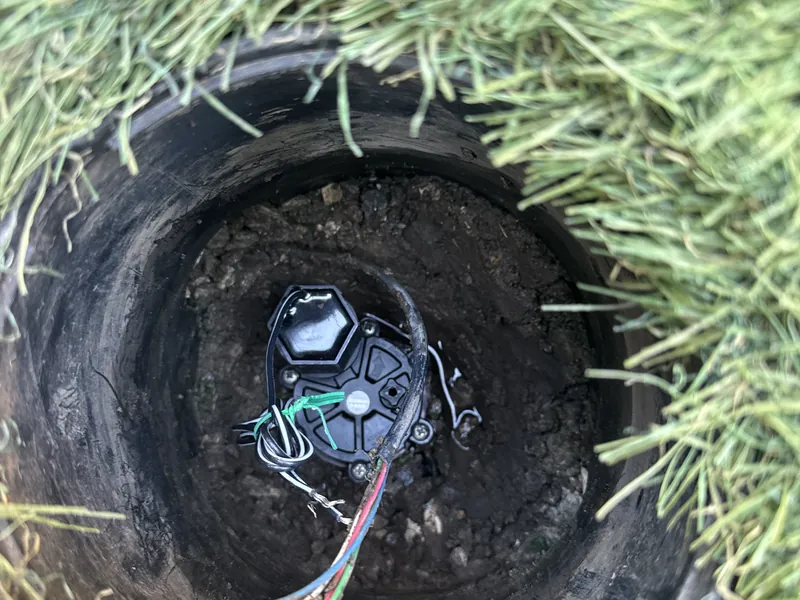
- Valve not opening fully: flow control turned down or valve issue
- Clogged nozzles or screens: debris restricts flow
- Too many heads: more heads than the zone’s supply can serve
- Damaged lateral pipe: restricted or crushed pipe
If Every Zone Has Low Pressure
The supply side is the likely cause.
Common causes include:
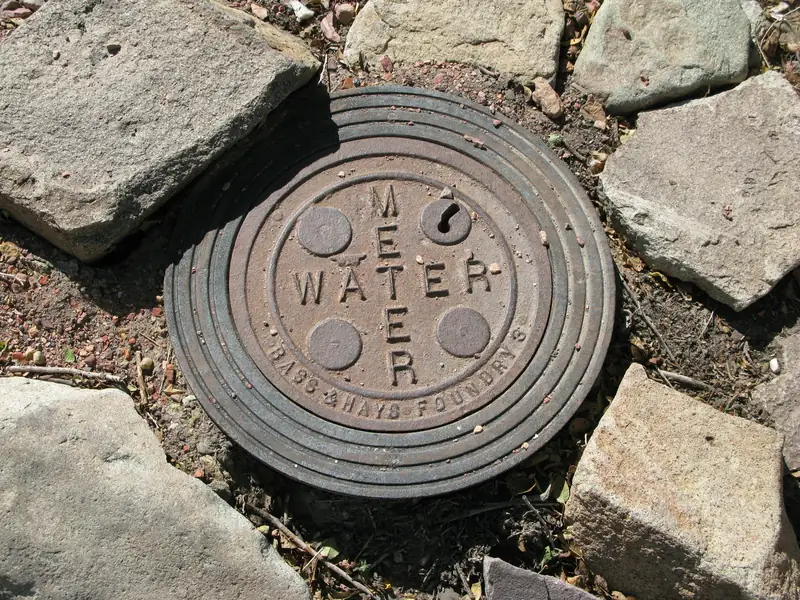
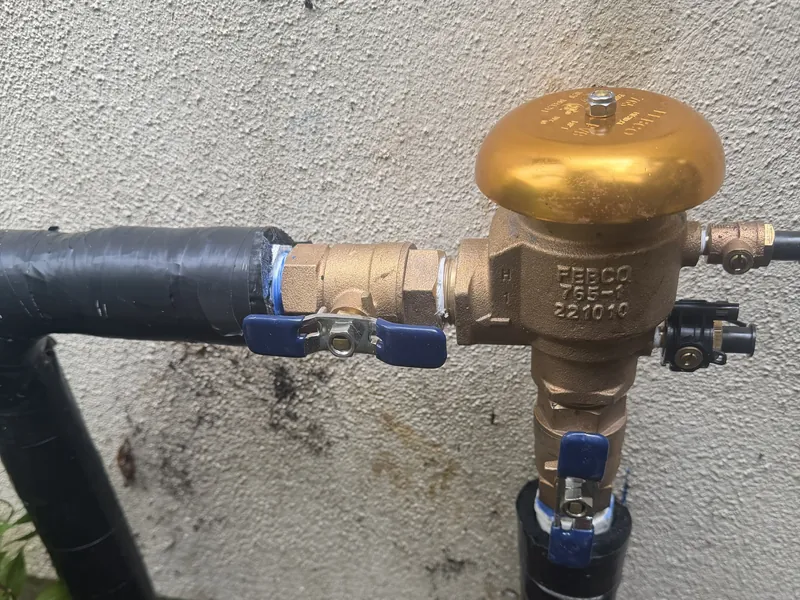
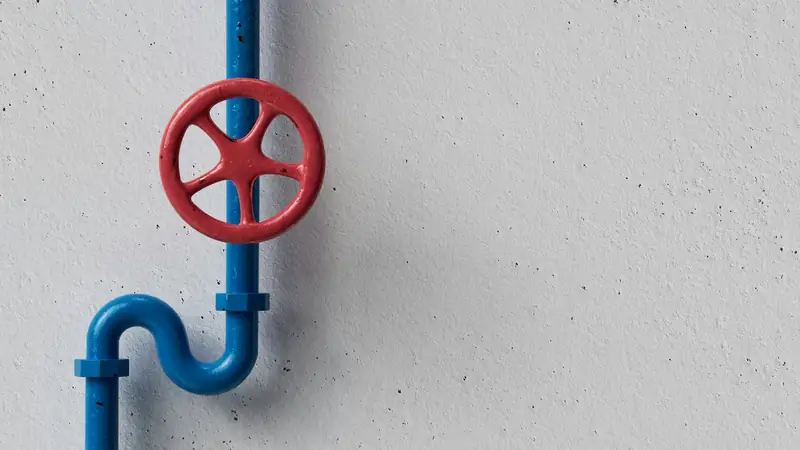
- Partly closed shutoff: the irrigation supply isn’t fully open
- Backflow preventer problem: a partly closed or failing device
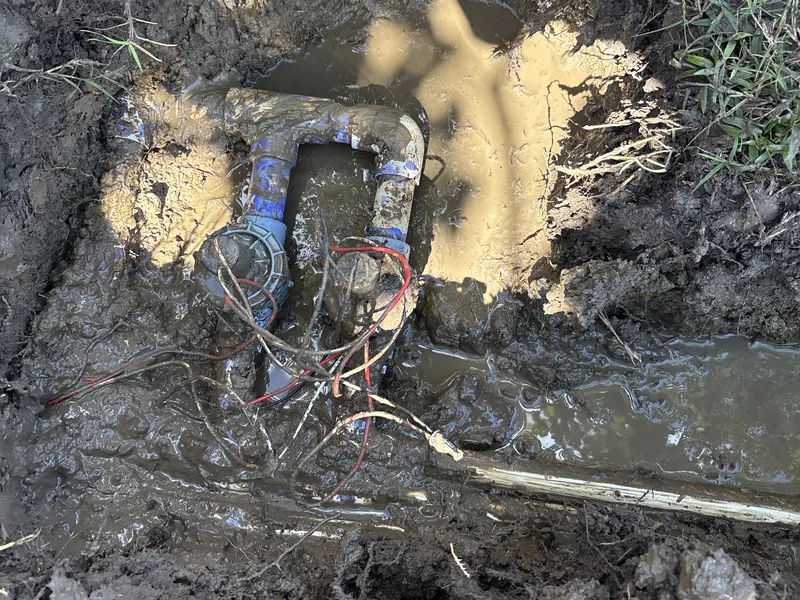
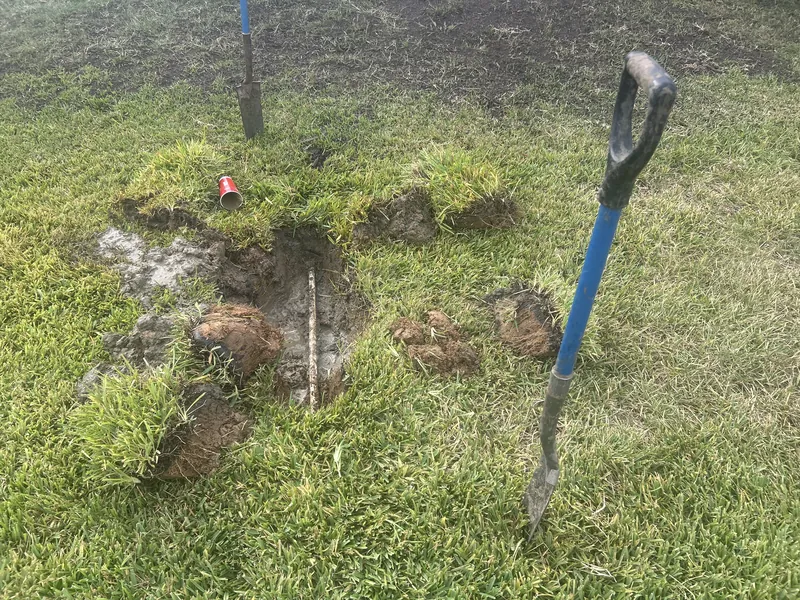
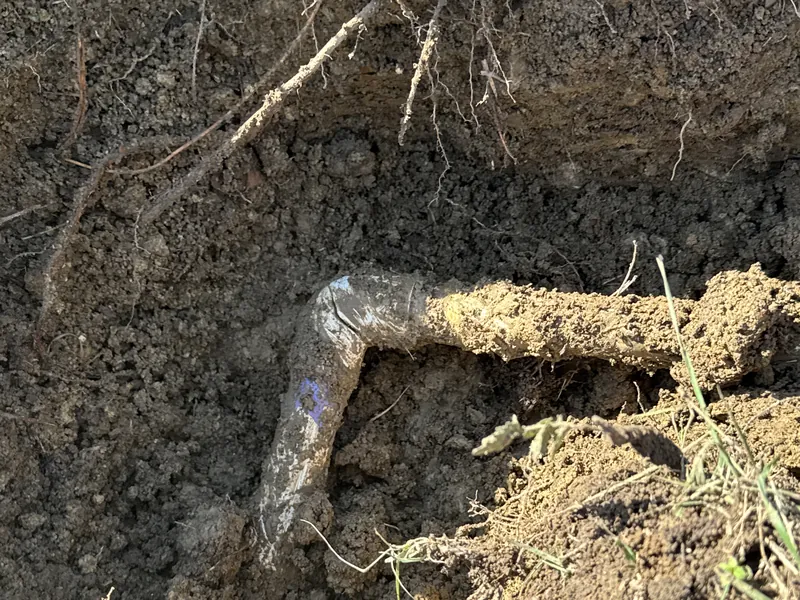
- Mainline leak: pressurized water escaping
- Pressure regulator: set too low or failing
- Supply pressure: low pressure from the water source
Pressure Dropped Suddenly
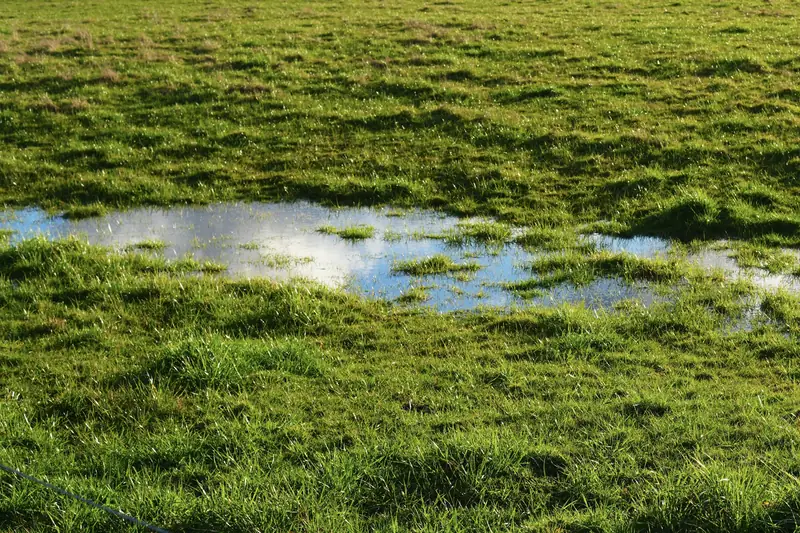
A sudden drop usually points to a new leak, a broken head or a valve or shutoff that was partly closed. Look for wet areas or bubbling.
Pressure Has Been Low Since Heads Were Added
Adding heads to an existing zone can use more water than the zone can supply. A technician can check whether the zone needs to be split or redesigned.
Only the Far End of a Zone Is Weak
Heads at the end of a long run may get less pressure, especially if there’s a leak or restriction along the way.
What You Can Check Yourself
- Compare pressure across zones
- Make sure the irrigation shutoff is fully open
- Look for wet spots, bubbling or broken heads
- Check whether nozzles look clogged or damaged
- Note whether pressure changed suddenly or gradually
What a Technician May Test
- Pressure readings at the supply and zones
- Valve and flow control inspection
- Leak detection
- Nozzle and screen inspection
- Backflow preventer and regulator check
Most Common Causes
- Leak in the zone or mainline
- Valve not opening fully
- Clogged nozzles or screens
- Too many heads on a zone
- Partly closed shutoff or backflow device
- Pressure regulator issue
- Low supply pressure
Repair or Replace?
Most pressure problems are fixed by repairing a leak, opening or repairing a valve, cleaning nozzles or adjusting the system. Zones with too many heads may need to be split or redesigned. A broader renovation is rarely needed unless the system has many layered problems.
When to Call a Sprinkler Professional
Call a professional if:
- Every zone has low pressure
- You suspect a leak
- Pressure dropped suddenly
- Heads were added and coverage got worse
- Cleaning nozzles didn’t help
Find a sprinkler repair pro or read our emergency shutoff guide if water won’t stop.
Related Sprinkler Problems
- Why Won’t My Sprinkler Head Pop Up?
- Why Is My Sprinkler System Leaking?
- How Do I Know If I Have an Underground Sprinkler Leak?
- Why Does My Lawn Have Dry Spots Even With Sprinklers?
- Why Is My Backflow Preventer Leaking?
Related Repairs
- Sprinkler Pressure Troubleshooting
- Sprinkler Leak Repair
- Sprinkler Valve Repair
- Sprinkler System Adjustment
Typical Repair Cost
What you pay depends on the cause, the parts and your area. See our sprinkler repair cost guides for typical ranges. Prices vary, and only an on-site diagnosis can give you an actual quote.
Frequently Asked Questions
Why is my sprinkler pressure low in one zone?
Usually a leak in the zone, a valve not opening fully, clogged nozzles or too many heads on the zone.
Why is my sprinkler pressure low in every zone?
Something on the supply side is restricting flow: a partly closed shutoff, the backflow preventer, a mainline leak, a pressure regulator or low supply pressure.
Can a leak cause low sprinkler pressure?
Yes. Water escaping from a broken pipe, fitting or head reduces the pressure available to the other heads.
Does adding sprinkler heads lower pressure?
It can. Each zone can only supply so much water, and too many heads can leave all of them weak.
Bottom Line
Low sprinkler pressure is usually caused by a leak, a restriction or a zone that’s asked to supply too many heads. Comparing zones is the fastest way to narrow it down.
A technician can measure pressure, find leaks and restrictions, and recommend the right fix for the zone or the whole system.
Diagnose My Sprinkler Problem See Typical Repair Cost Find a Sprinkler Pro