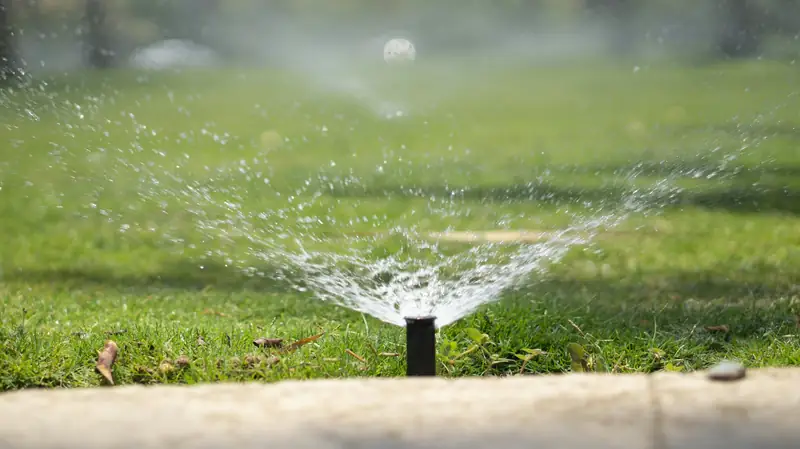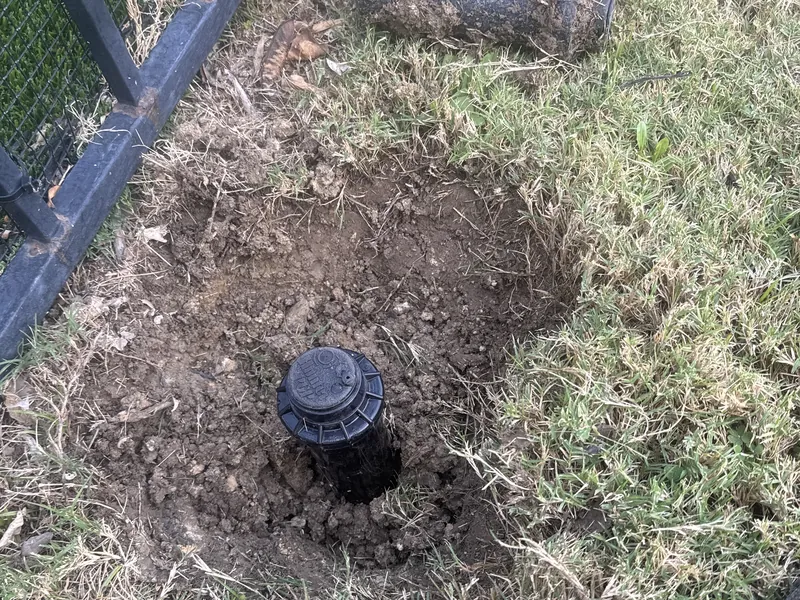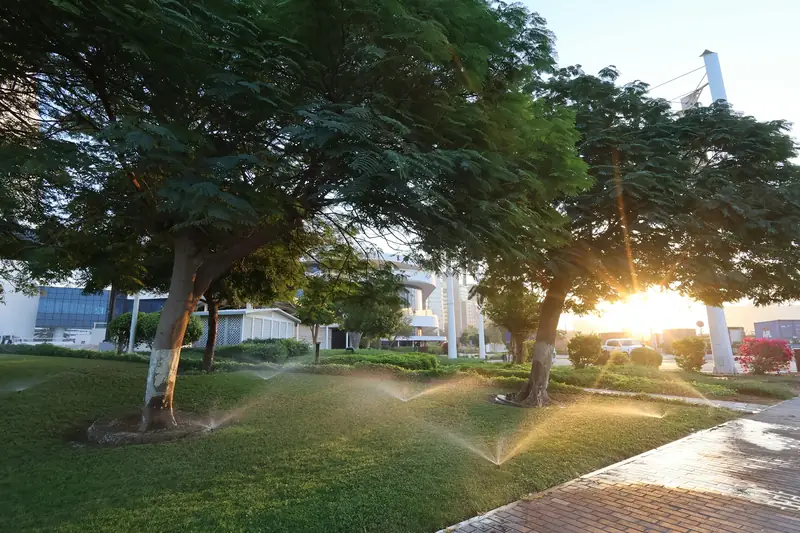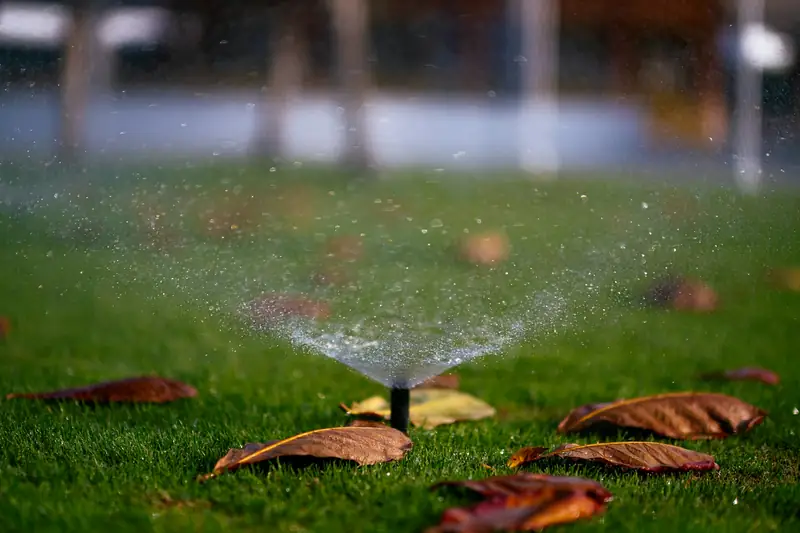
Sprinkler heads are designed to work within a pressure range. Too low and heads won’t rise or reach; too high and heads mist or parts wear out faster.
Pressure troubleshooting identifies whether the cause is a leak, a restriction, zone design or the water supply.
Diagnose My Sprinkler Problem See Typical Repair Cost Find a Sprinkler Pro
Signs You May Need This Repair
- Weak spray
- Heads that won’t rise
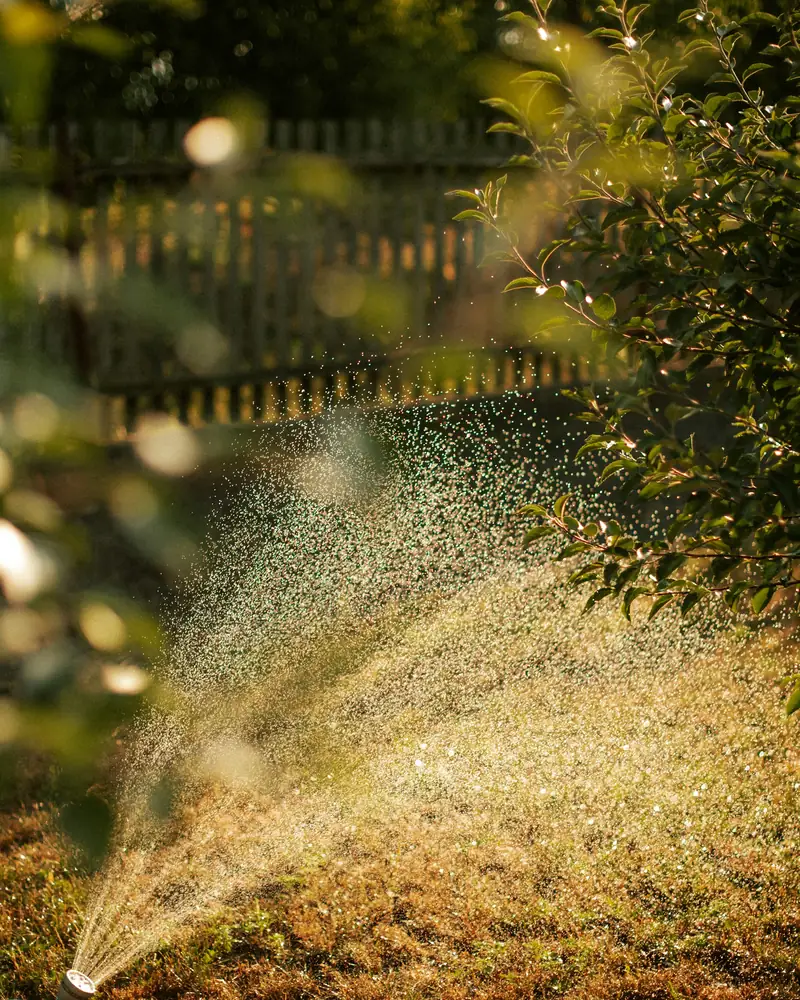
- Misting or fogging spray
- Dry spots
- Sudden pressure changes
Common Causes
- Leaks
- Valves not opening fully
- Clogged nozzles
- Too many heads on a zone
- Supply or regulator issues
How a Technician Handles It
- Compare zones
- Measure pressure
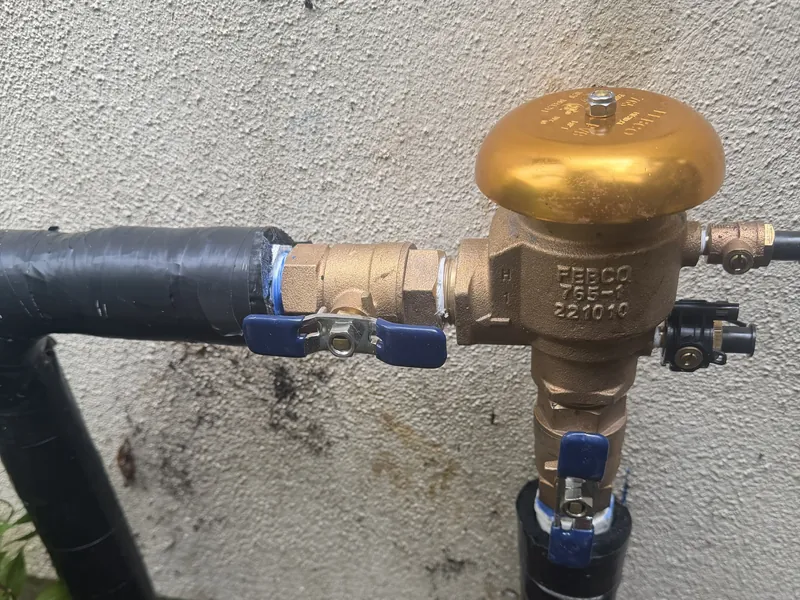
- Inspect valves, nozzles and backflow
- Locate leaks or restrictions
- Recommend repairs or adjustments
Repair or Replace?
Most pressure problems are fixed with leak repair, valve work or adjustments. Zones with too many heads may need redesign.
DIY or Call a Pro?
Comparing zones and checking that the shutoff is fully open are easy checks. Measurement and diagnosis are best done by a technician.
Typical Cost
See our sprinkler repair cost guides for typical ranges. Prices vary by location, parts, access and how much diagnosis is needed.
Related Problems
- Why Is My Sprinkler Water Pressure Low?
- Why Won’t My Sprinkler Head Pop Up?
- Why Isn’t My Sprinkler Rotor Rotating?
- Why Does My Lawn Have Dry Spots Even With Sprinklers?
Related Repairs
Frequently Asked Questions
What causes low sprinkler pressure?
Leaks, restrictions, valves not opening fully, too many heads or supply problems.
Can pressure be too high?
Yes. High pressure can cause misting and wear.
How is sprinkler pressure checked?
With a pressure gauge at the supply and zones.
Bottom Line
Pressure troubleshooting finds out why heads aren’t performing and fixes the cause, not just the symptom.
Diagnose My Sprinkler Problem See Typical Repair Cost Find a Sprinkler Pro