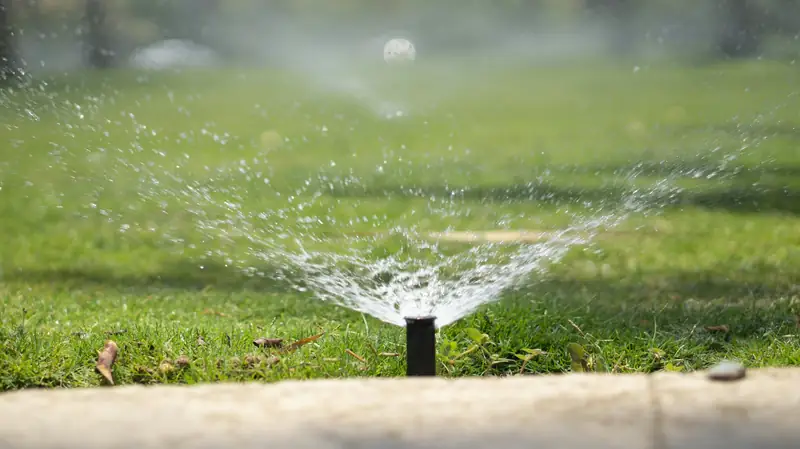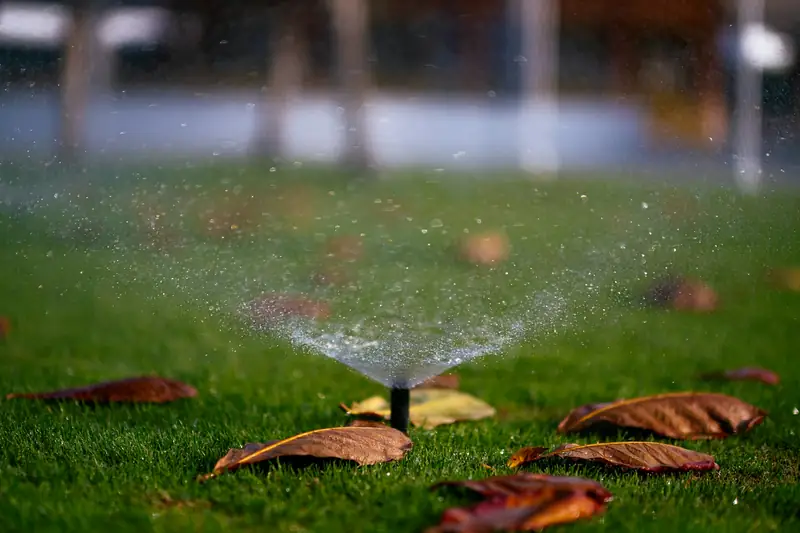
Broken sprinkler heads are one of the most common sprinkler problems. A mower blade, a car tire, foot traffic or simple age can crack a head or snap it off.
A broken head may gush water, spray in the wrong direction or not spray at all. Sometimes the head itself is fine and the damage is in the fitting or riser below it.
Diagnose My Sprinkler Problem See Typical Repair Cost Find a Sprinkler Pro
Quick Answer
A broken sprinkler head is usually caused by mower or vehicle damage, foot traffic, age or freezing. Replacing the head is usually a small repair, but if water bubbles from the ground around the head, the riser, swing pipe or fitting below it may also be damaged. Avoid running the zone until it’s repaired, because a broken head can waste a lot of water.
What You May Be Seeing
- Water gushing or geysering from one spot
- A cracked or missing cap or nozzle
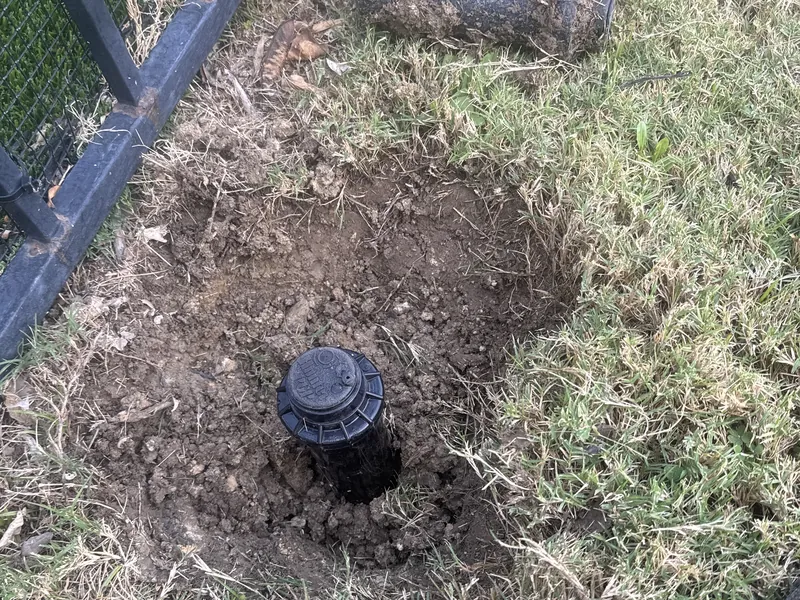
- A head that’s tilted, sunken or snapped off
- Water spraying the street, house or fence
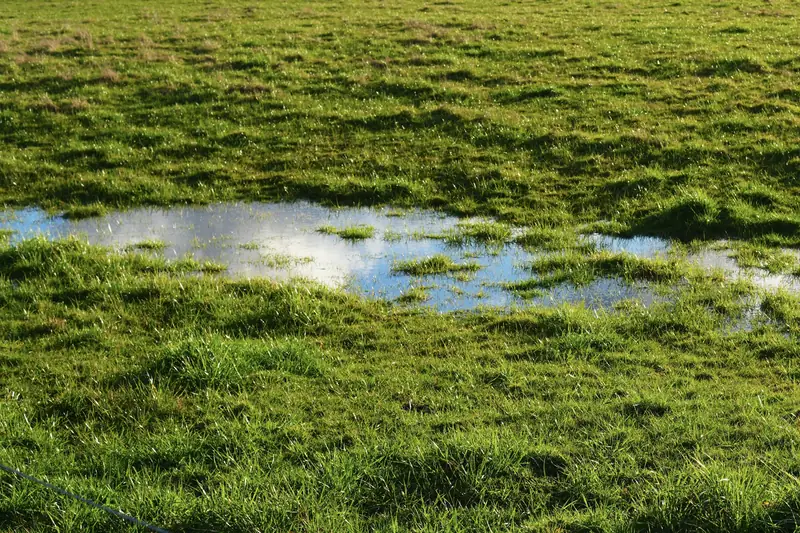
- Bubbling water around the base of the head
- A dry spot where the head should be watering
- Low pressure at other heads on the zone
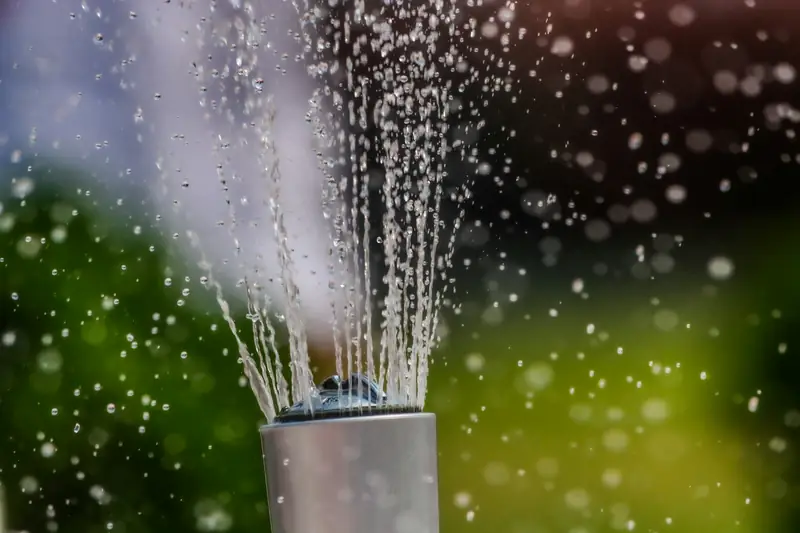
A broken head lets water escape without the intended spray pattern. That usually lowers pressure for every other head on the zone and leaves the head’s own coverage area dry.
The First Question to Ask
Is the damage only to the head, or is water coming from below it?
If the head is cracked or missing parts but the ground around it is dry, the head is probably the only damaged part. If water bubbles from the soil around the head, the riser, swing pipe or fitting below may be broken too.
If the Head Is Visibly Damaged
The head itself needs attention.
Common causes include:
- Mower or edger damage: cracked caps, nozzles or bodies
- Vehicle or foot traffic: crushed or snapped heads near drives and walks
- Age and wear: worn seals and brittle plastic
- Freeze damage: cracked bodies in cold climates
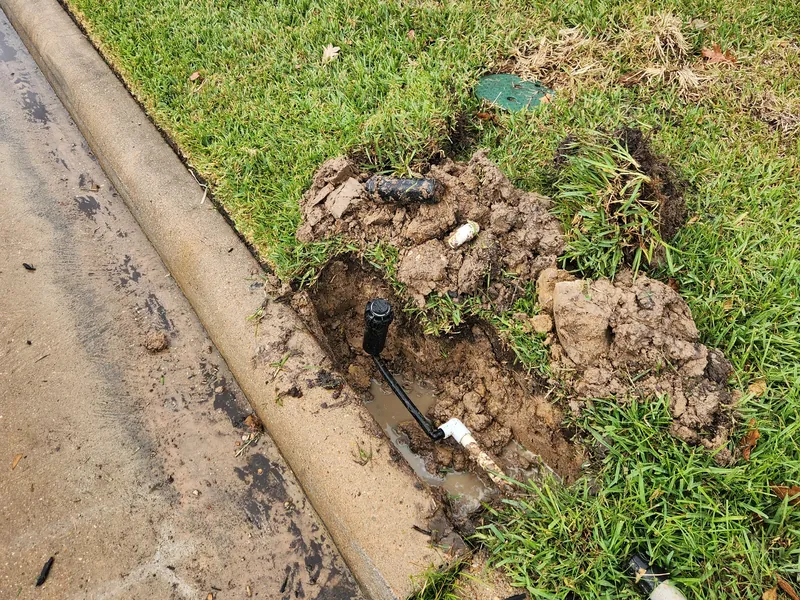
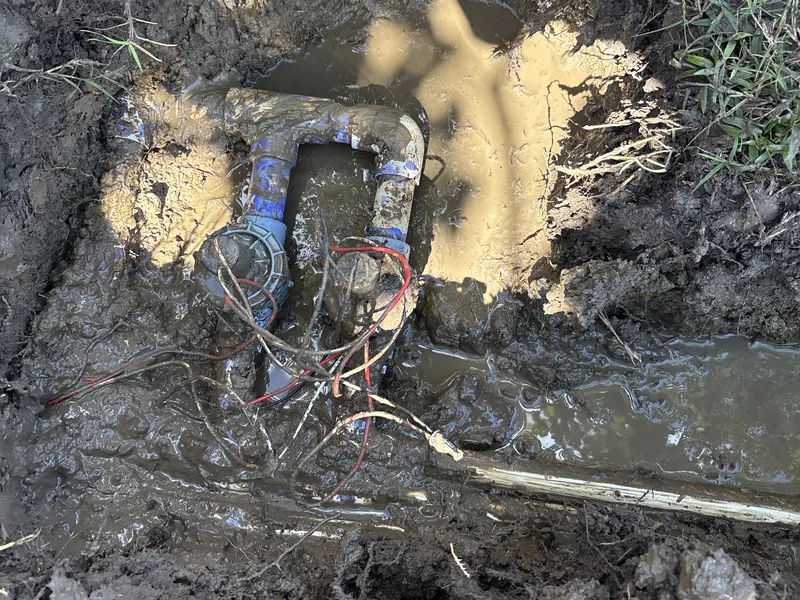
If Water Comes From Below the Head
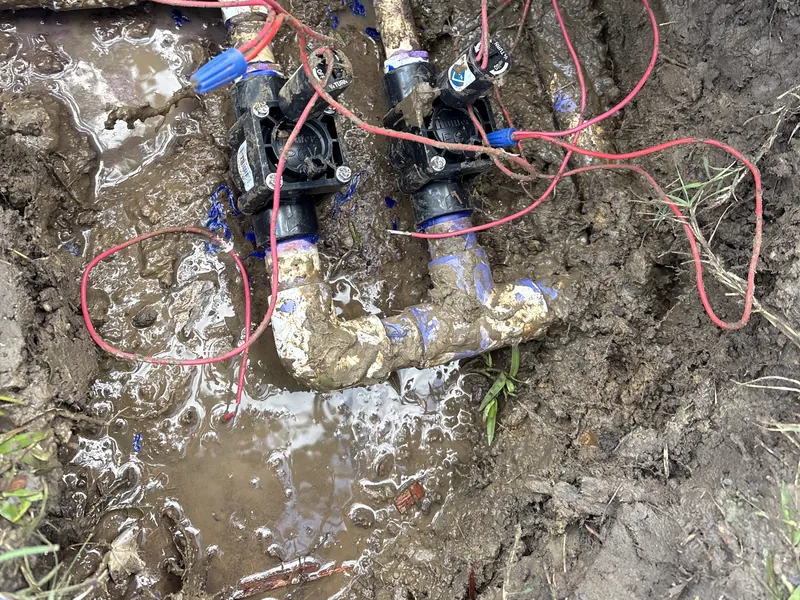
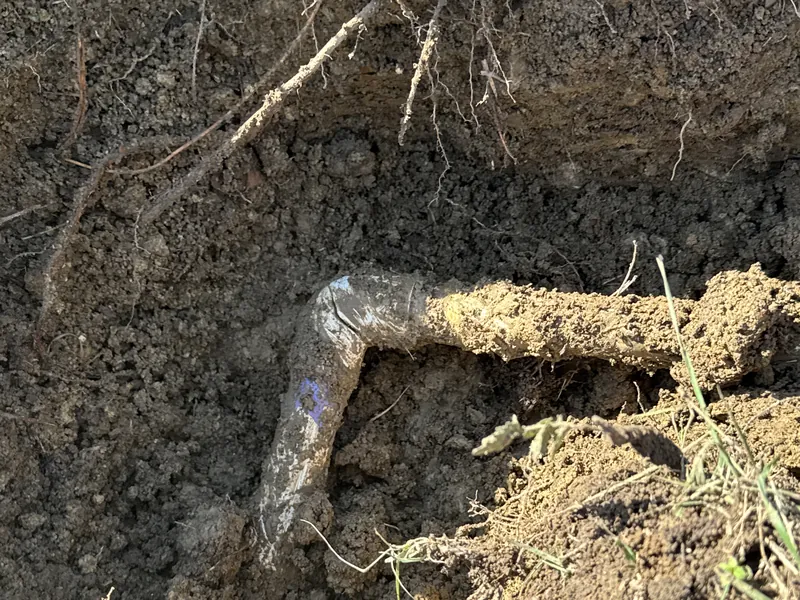
The fitting or pipe under the head may be broken.
Common causes include:
- Broken riser: the short pipe below the head
- Cracked swing pipe or joint: flexible connections under the head
- Broken fitting: at the lateral pipe
- Lateral pipe damage: near the head
The Head Was Hit by a Mower
Mower damage is one of the most common causes. Heads set too high or tilted are more likely to be hit. Replacing the head and setting it at the right height helps prevent repeat damage.
A Head Near the Driveway or Sidewalk Keeps Breaking
Heads next to drives and walks can be crushed by tires or foot traffic. A technician may suggest relocating the head or using a sturdier head type.
Water Gushes but the Head Looks Fine
If the head looks intact but water gushes or bubbles around it, the problem may be the riser or fitting below the surface.
What You Can Check Yourself
- Look for cracked, missing or snapped parts
- Note whether water bubbles from the ground around the head
- Check whether the head is tilted or sunken
- Avoid running the zone until it’s repaired
- If water is flooding, close the irrigation shutoff
What a Technician May Test
- Head and nozzle inspection
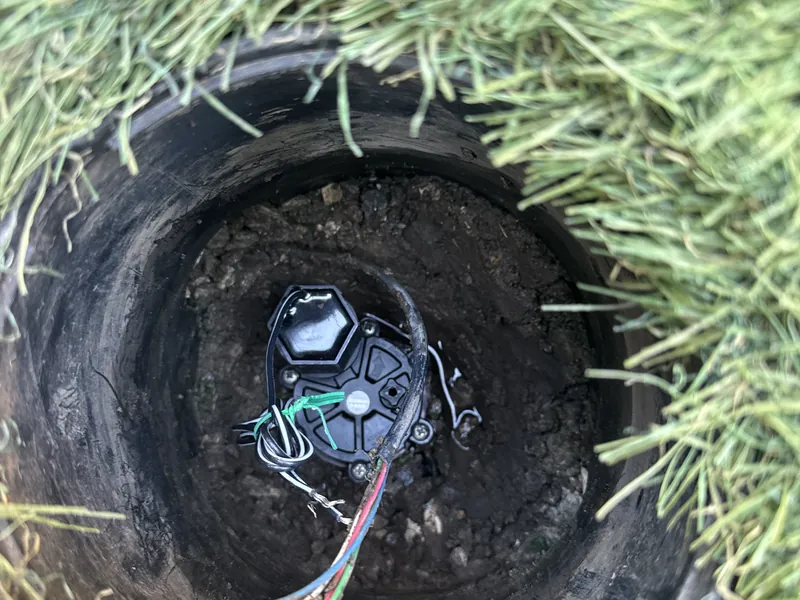
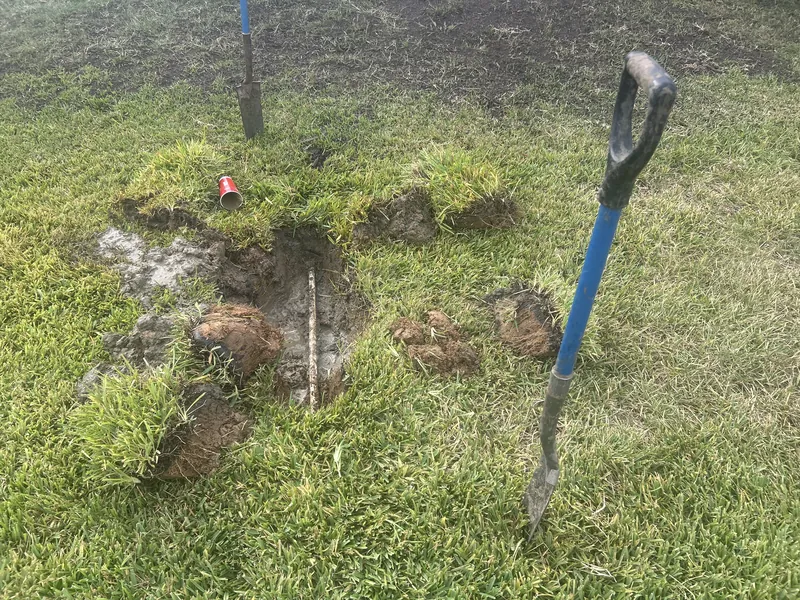
- Excavation around the head to check the riser and fitting
- Pressure check on the zone
- Spray pattern and coverage check after repair
Most Common Causes
- Mower or edger damage
- Vehicle or foot traffic
- Age and wear
- Freeze damage
- Broken riser or fitting below the head
Repair or Replace?
Most broken heads are simply replaced. If the riser or fitting below is damaged, it’s repaired at the same time. If many heads are worn or a zone uses mismatched heads, a broader upgrade of that zone may be worth discussing.
When to Call a Sprinkler Professional
Call a professional if:
- Water bubbles from the ground around the head
- Several heads are broken
- Heads keep breaking in the same spot
- You’re not sure what type of head to replace it with
Find a sprinkler repair pro or read our emergency shutoff guide if water won’t stop.
Related Sprinkler Problems
- Why Won’t My Sprinkler Head Pop Up?
- Why Isn’t My Sprinkler Rotor Rotating?
- Why Is My Sprinkler Water Pressure Low?
- How Do I Know If I Have an Underground Sprinkler Leak?
- Why Does My Lawn Have Dry Spots Even With Sprinklers?
Related Repairs
Typical Repair Cost
What you pay depends on the cause, the parts and your area. See our Sprinkler Head Replacement Cost Guide for typical ranges. Prices vary, and only an on-site diagnosis can give you an actual quote.
Frequently Asked Questions
Can I still run my sprinklers with a broken head?
It’s best not to run that zone until it’s repaired. A broken head can waste water and lower pressure for the rest of the zone.
Why do my sprinkler heads keep breaking?
Heads near mowing paths, drives or walks are more likely to be hit or crushed. Heads set at the wrong height are also more vulnerable.
Is the head the only part that can break?
No. The riser, swing pipe or fitting under the head can also break, especially if water bubbles from the ground around it.
What kind of head should replace the broken one?
The replacement should usually match the other heads on the zone so the spray and watering rate stay consistent.
Bottom Line
A broken sprinkler head is usually a small, common repair, but it can waste water and leave dry spots if it’s left alone.
If water bubbles from below the head, the fitting or riser may need repair too. A technician can replace the damaged parts and check the zone’s coverage.
Diagnose My Sprinkler Problem See Typical Repair Cost Find a Sprinkler Pro