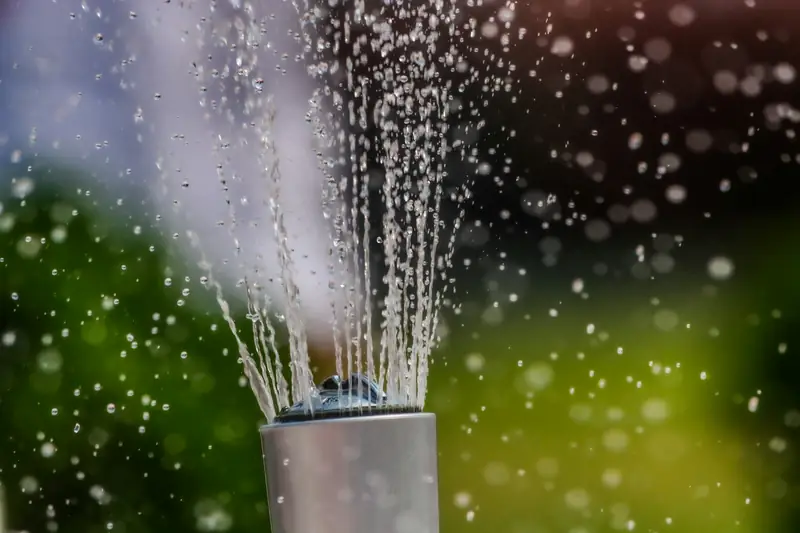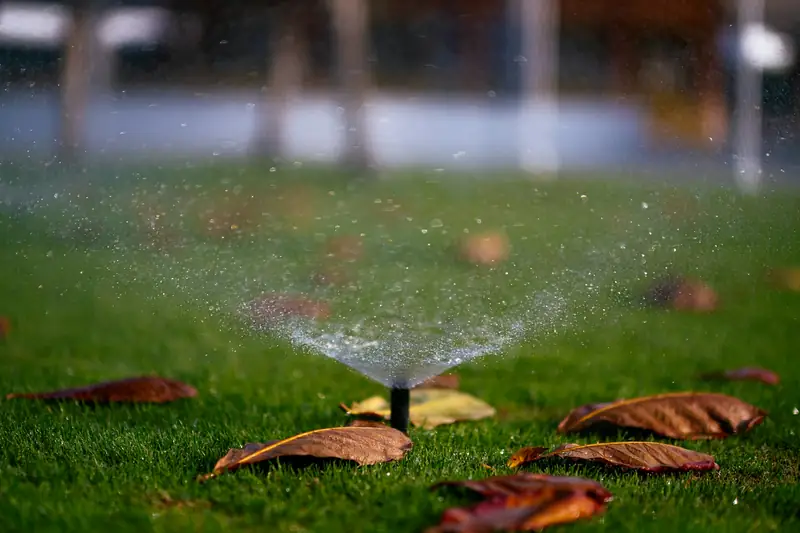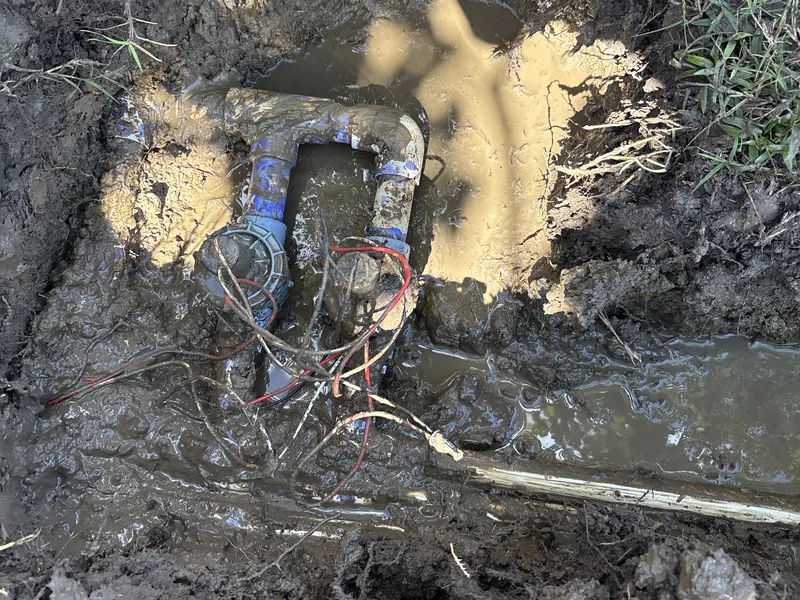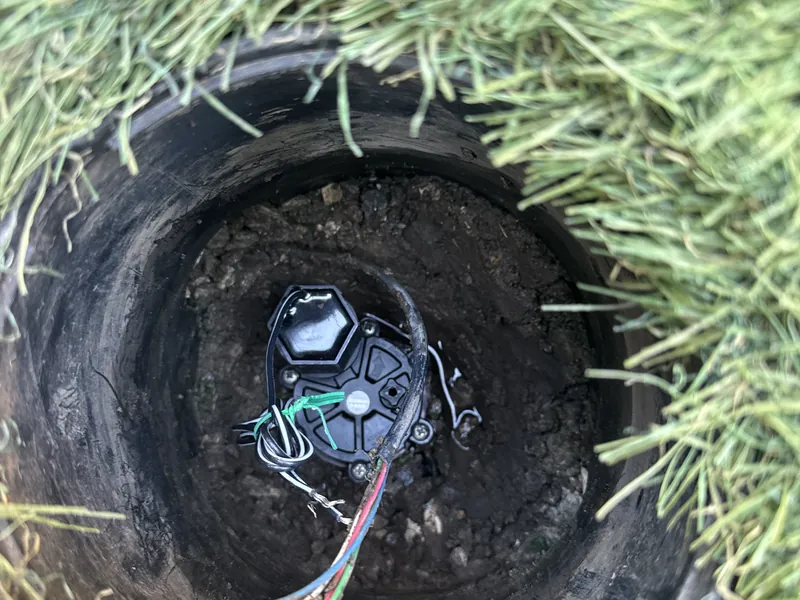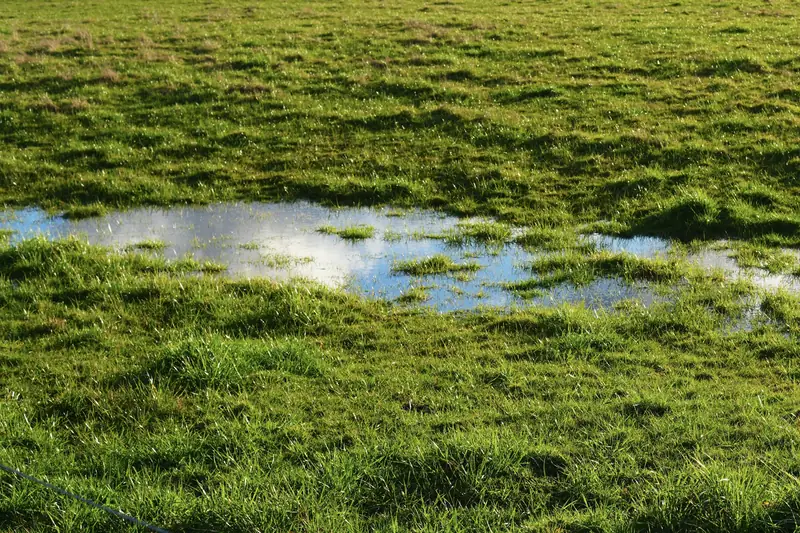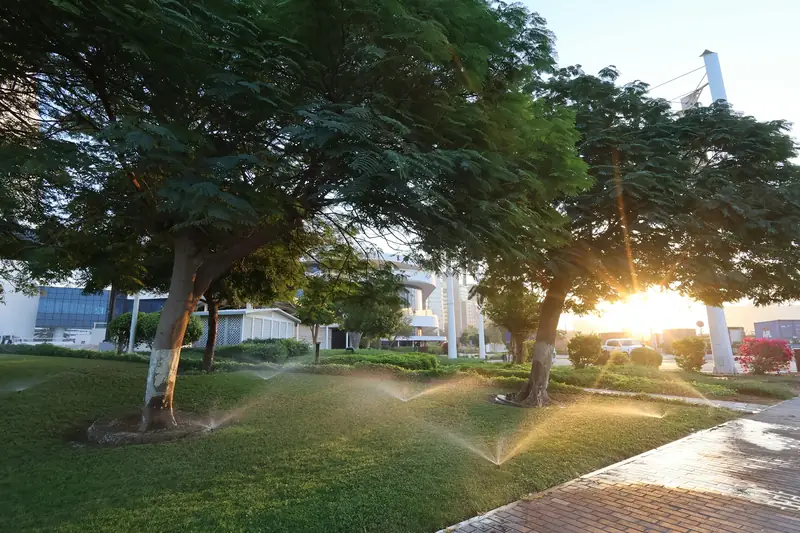
A sprinkler zone that keeps running after its scheduled time, or runs even when the controller is off, is one of the more urgent sprinkler problems. Water keeps flowing into the lawn, beds or street, and it can cause runoff, soggy soil and higher water use.
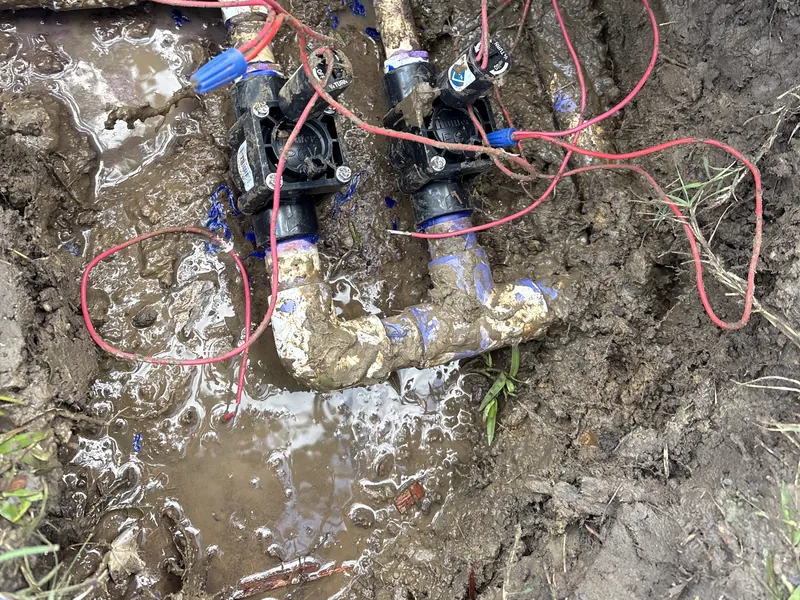
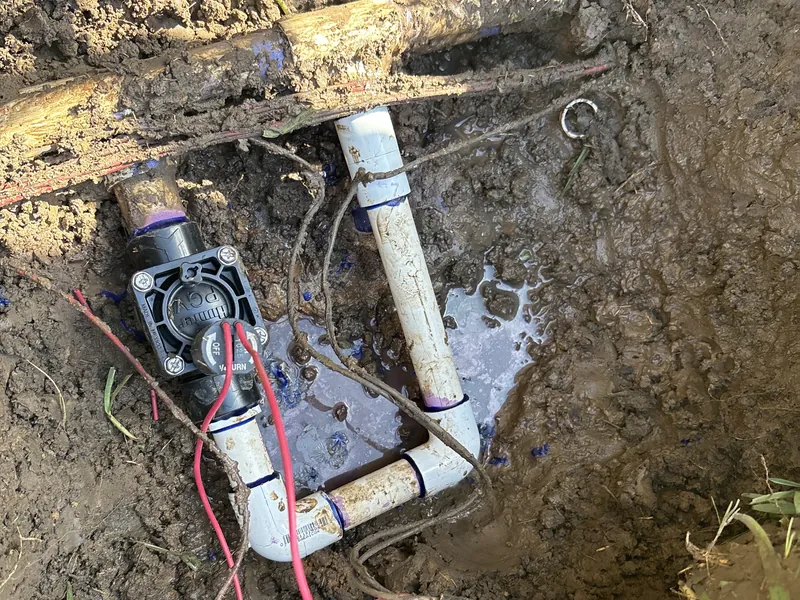
In most cases, a zone that won’t shut off has a valve that isn’t closing. The cause can be debris, a torn diaphragm, a stuck solenoid or a manual bleed left open. Whether one zone or several zones are running also changes what to look for.
Diagnose My Sprinkler Problem See Typical Repair Cost Find a Sprinkler Pro
Quick Answer
If one zone won’t shut off, the most likely cause is a valve that isn’t closing: debris inside the valve, a torn diaphragm, a damaged solenoid or plunger, or a manual bleed left open. If several zones run at once, a master valve, controller or wiring problem becomes more likely. First, stop the water by closing the irrigation shutoff if you can safely reach it, then determine whether one zone or several are running.
What You May Be Seeing
- One zone keeps running after its scheduled time
- Water flows even with the controller turned off
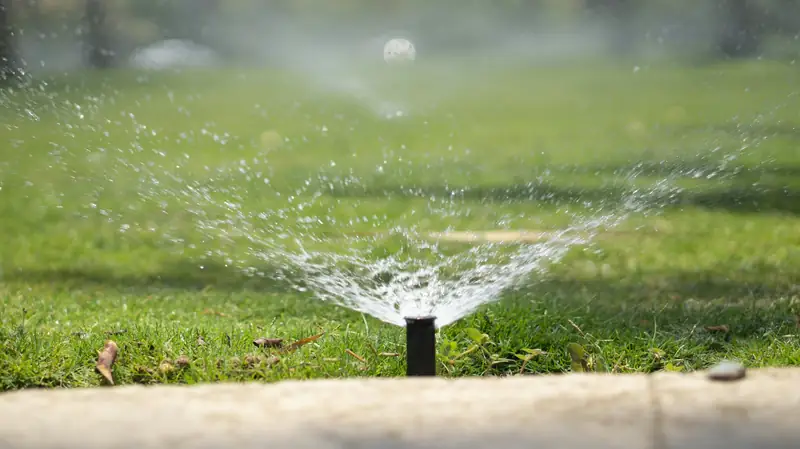
- Heads in one zone keep spraying or seeping
- Water trickles from low heads long after the cycle ends
- Several zones running at the same time
- Water running into the street or gutter
- A higher-than-normal water bill
Valves are designed to close when the solenoid releases. When debris, wear or a stuck part keeps the valve partly open, water keeps flowing even though the controller has stopped.
The First Question to Ask
Is one zone running, or are several zones running?
If only one zone runs continuously, the problem is almost always that zone’s valve. If several or all zones keep running, the cause is more likely shared: a master valve, the controller, or a wiring short.
If One Zone Runs Continuously
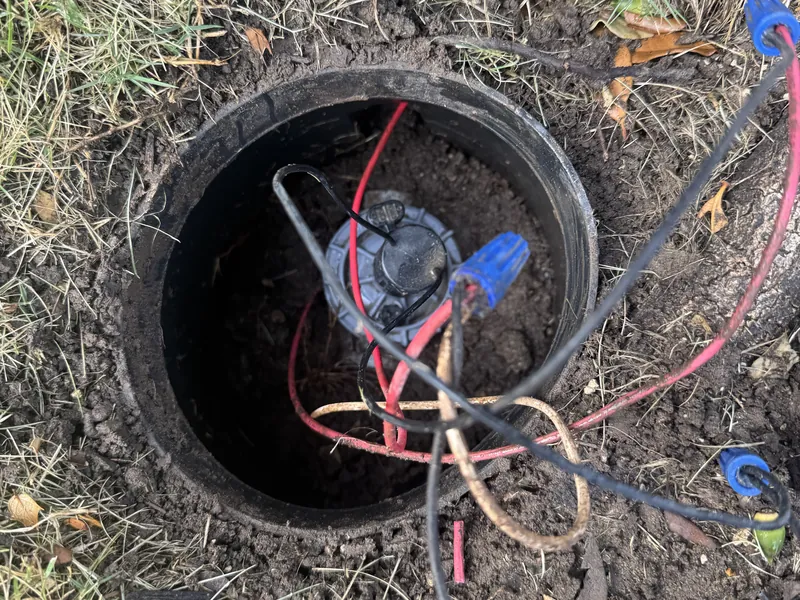
The valve for that zone isn’t sealing.
Common causes include:
- Debris inside the valve: sand or grit holds the diaphragm open
- Torn diaphragm: the rubber seal can’t close fully
- Damaged solenoid or plunger: the plunger sticks in the open position
- Manual bleed left open: a bleed screw or lever opened during testing
- Excessive pressure: high supply pressure can keep some valves from closing
If Several or All Zones Are Running
A shared component is more likely.
Common causes include:
- Master valve issue: the master valve isn’t controlling flow
- Multiple stuck valves: possible after debris enters the system
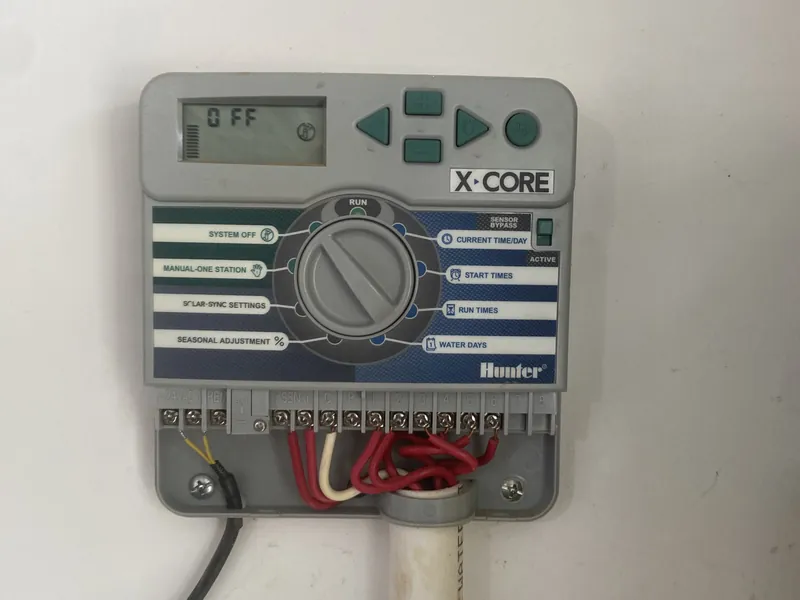
- Controller malfunction: the controller is sending signals it shouldn’t
- Wiring short: damaged wires can energize more than one valve
- Pressure or hydraulic problem: affecting several valves
The Zone Still Runs With the Controller Off
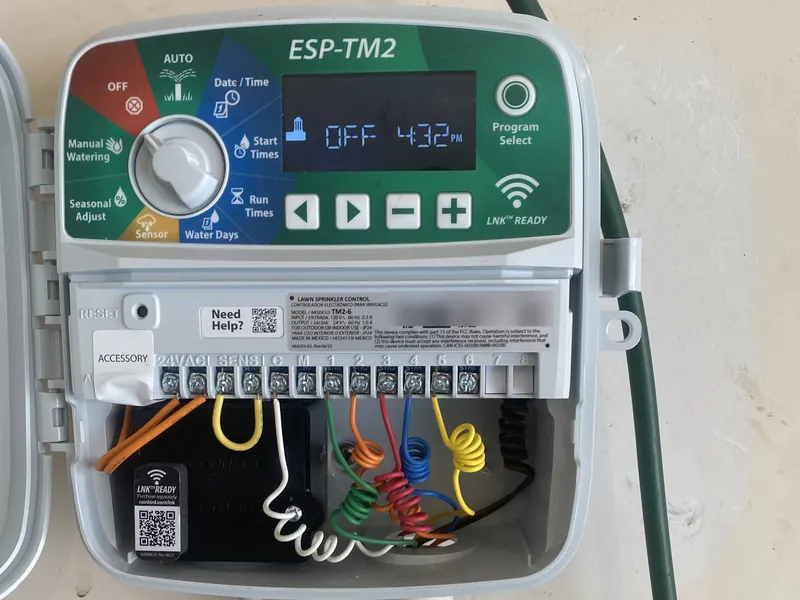
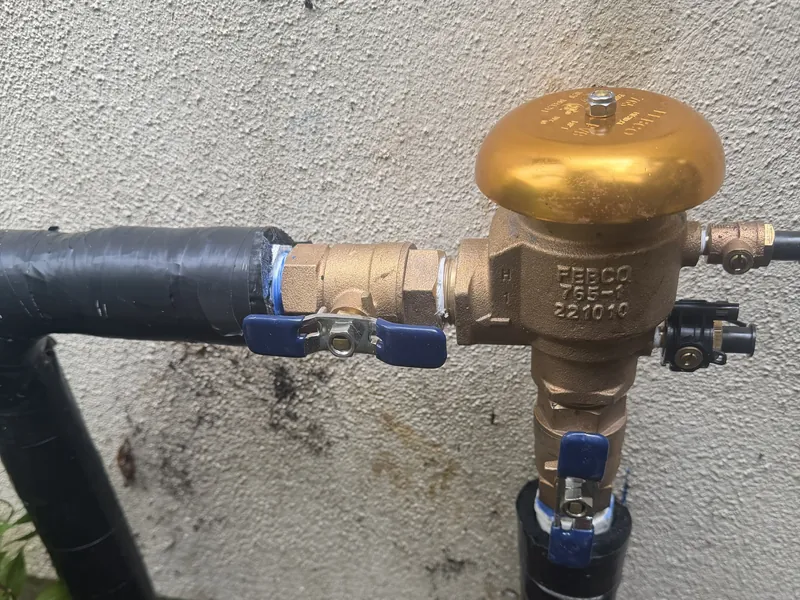
If turning the controller off doesn’t stop the water, the valve is staying open on its own. That points to the valve, not the controller. Shut off the irrigation water supply until the valve can be repaired.
Water Seeps From the Lowest Heads After Each Cycle
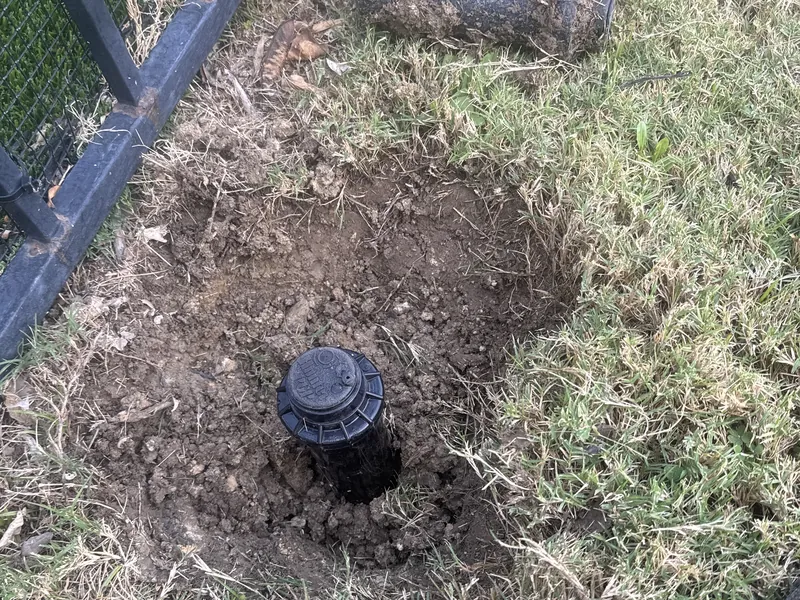
If water dribbles from the lowest heads for a while after a zone stops, that may be normal drainage from the pipes rather than a stuck valve. If it continues for hours or happens when the zone hasn’t run, the valve may be leaking through.
After the Water Was Turned Back On
When a system is turned on after being shut off, for example in spring or after a repair, debris can be pushed into a valve and hold it open. This is a common time for a zone to start running continuously.
What You Can Check Yourself
- Close the dedicated irrigation shutoff valve if you can safely reach it
- Turn the controller off and see whether the water stops
- Check whether a manual bleed screw or lever on the valve looks open (look, don’t disassemble)
- Note which zone, or how many zones, keep running
- Watch for water flowing toward the street or the house foundation
What a Technician May Test
- Manual closing of the valve
- Inspection of the bleed screw and solenoid
- Valve disassembly and diaphragm inspection
- Supply pressure test
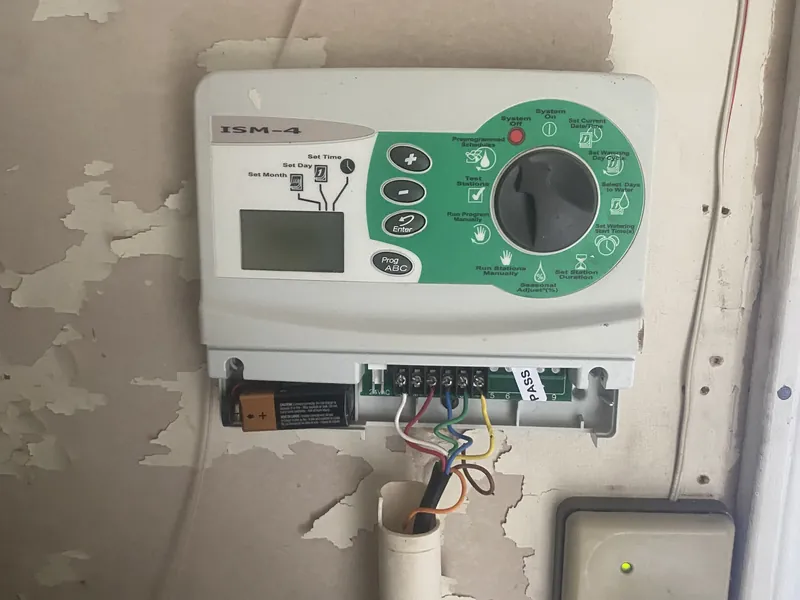
- Controller output and wiring tests if several zones are running
Most Common Causes
- Debris inside the valve
- Torn or worn diaphragm
- Stuck solenoid plunger
- Manual bleed left open
- Master valve or controller problem
- Wiring short
- High water pressure
Repair or Replace?
A valve that won’t close can often be rebuilt by cleaning it and replacing the diaphragm or solenoid. A cracked valve body, a very old valve, or a valve that keeps failing may be better replaced. If several zones are affected, the repair depends on whether the controller, master valve or wiring is responsible.
When to Call a Sprinkler Professional
Call a professional if:
- You can’t stop the water
- Water is pooling near the foundation or causing damage
- Several zones are running at once
- The valve keeps sticking after it’s been cleaned
- You can’t find or reach the irrigation shutoff
Find a sprinkler repair pro or read our emergency shutoff guide if water won’t stop.
Related Sprinkler Problems
- Why Won’t My Sprinkler System Shut Off?
- Why Won’t My Sprinkler Valve Close?
- Why Is My Sprinkler Valve Leaking?
- Can My Sprinkler System Cause a High Water Bill?
- Why Is Water Pooling After My Sprinklers Run?
Related Repairs
Typical Repair Cost
What you pay depends on the cause, the parts and your area. See our Sprinkler Valve Replacement Cost Guide for typical ranges. Prices vary, and only an on-site diagnosis can give you an actual quote.
Frequently Asked Questions
How do I stop a sprinkler zone that won’t shut off?
If you can safely reach it, close the dedicated irrigation shutoff valve. That stops water to the system until the valve can be repaired. Our emergency guide explains more.
Why does my sprinkler zone keep running when the controller is off?
The valve is staying open on its own, usually because of debris, a torn diaphragm or a stuck solenoid plunger.
Can a bad controller make sprinklers run nonstop?
It can, especially when several zones run at once. When a single zone runs nonstop, the valve is the more likely cause.
Is a zone that won’t shut off an emergency?
It can be. Continuous flow wastes water and can cause damage near structures. Shut off the irrigation water and schedule a repair promptly.
Can I fix a stuck sprinkler valve myself?
Valve disassembly involves pressurized parts. Turning off the water is safe; taking the valve apart is best left to a professional.
Bottom Line
A sprinkler zone that won’t shut off usually has a valve that isn’t closing. Shutting off the irrigation water supply stops the waste while you arrange a repair.
A technician can tell whether the valve needs cleaning, a new diaphragm or solenoid, or full replacement, and whether a controller or wiring problem is involved if several zones are affected.
Diagnose My Sprinkler Problem See Typical Repair Cost Find a Sprinkler Pro