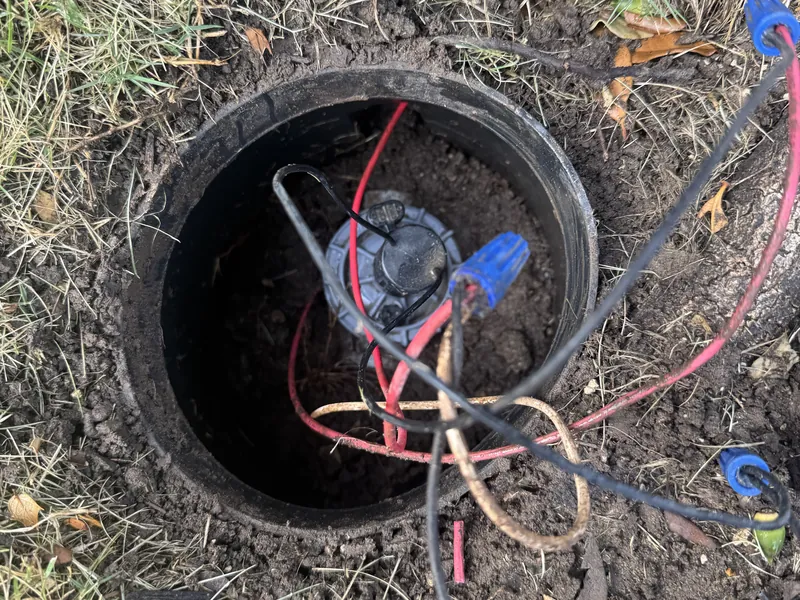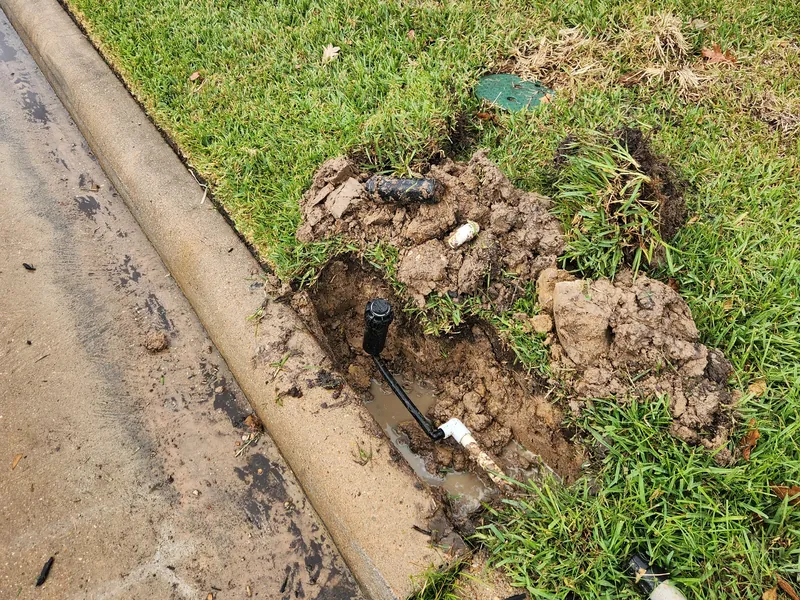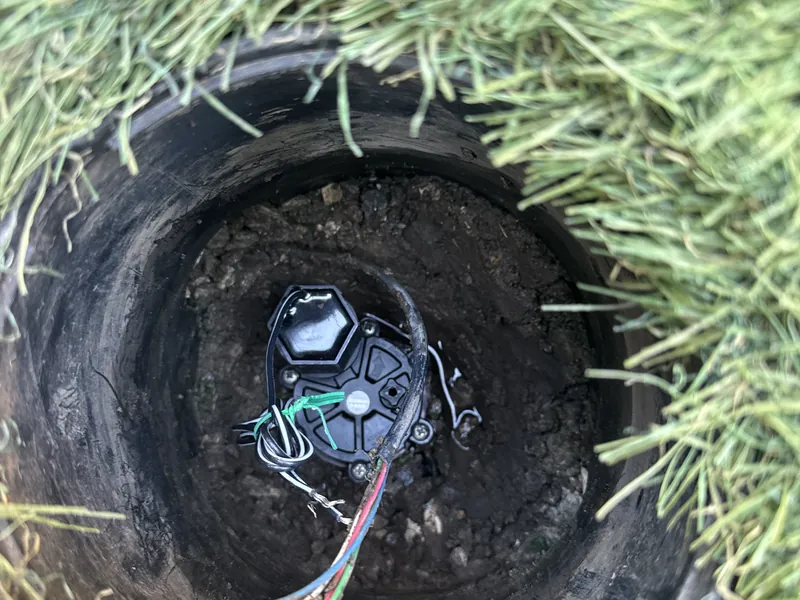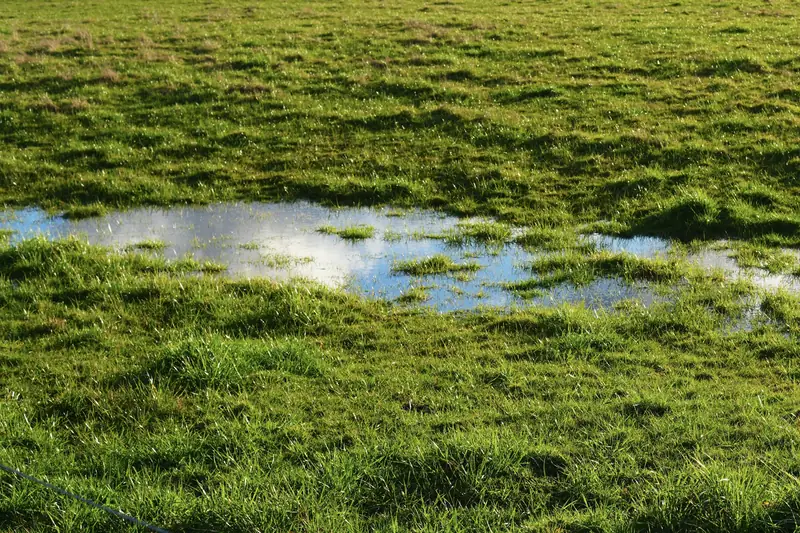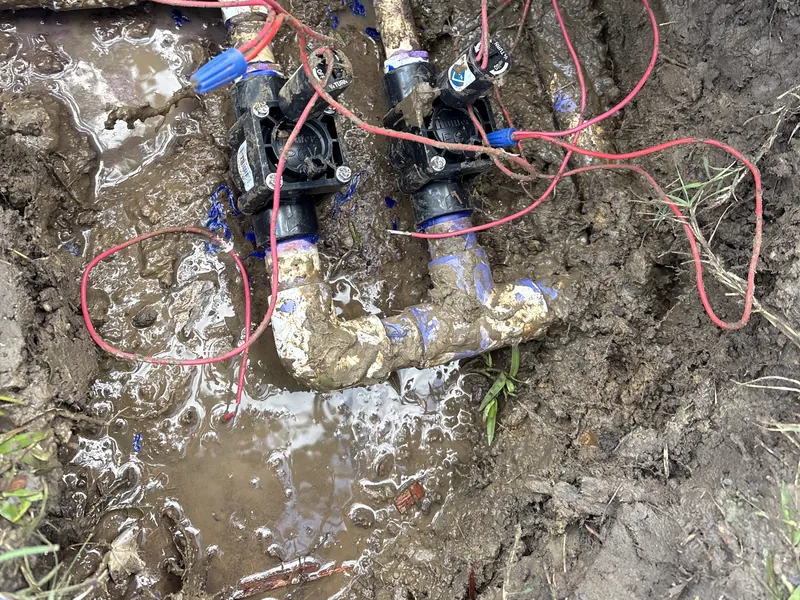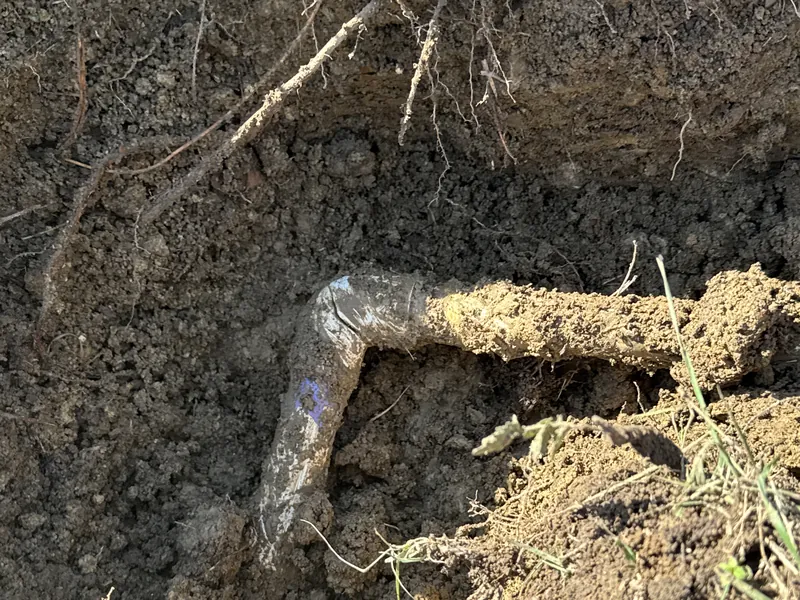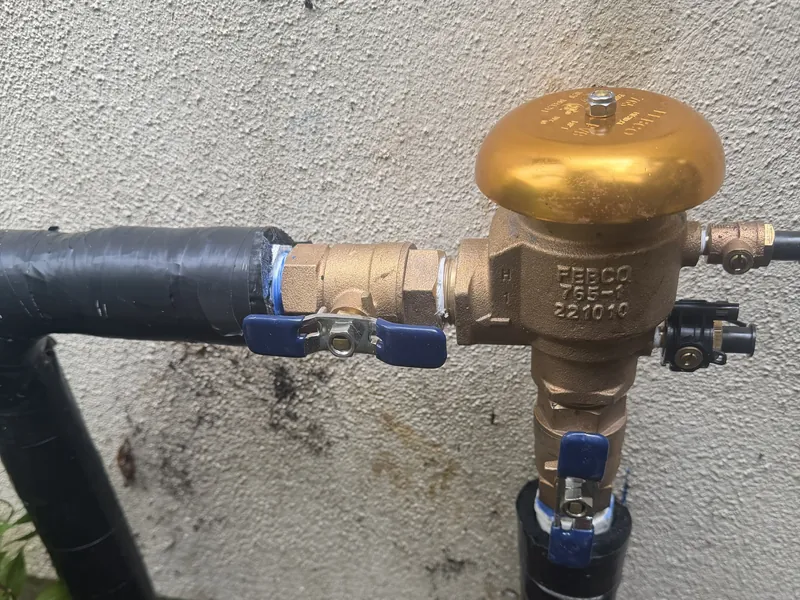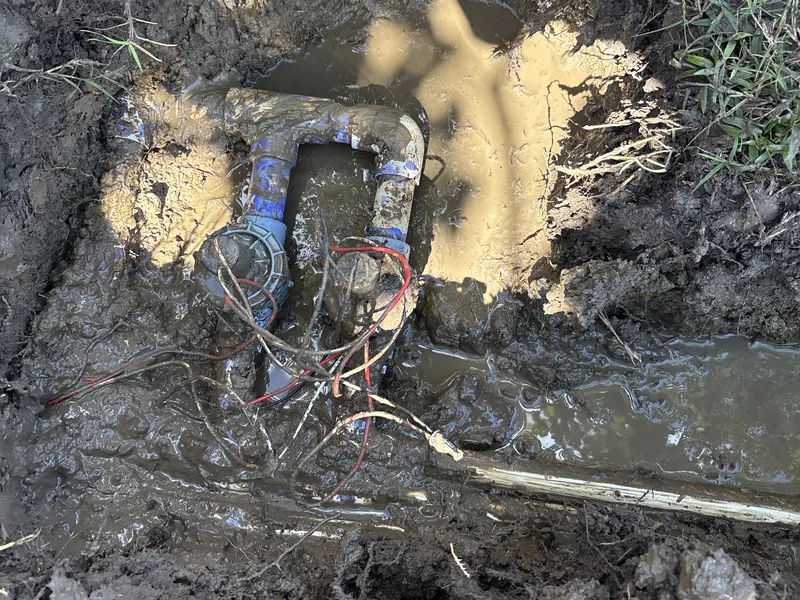
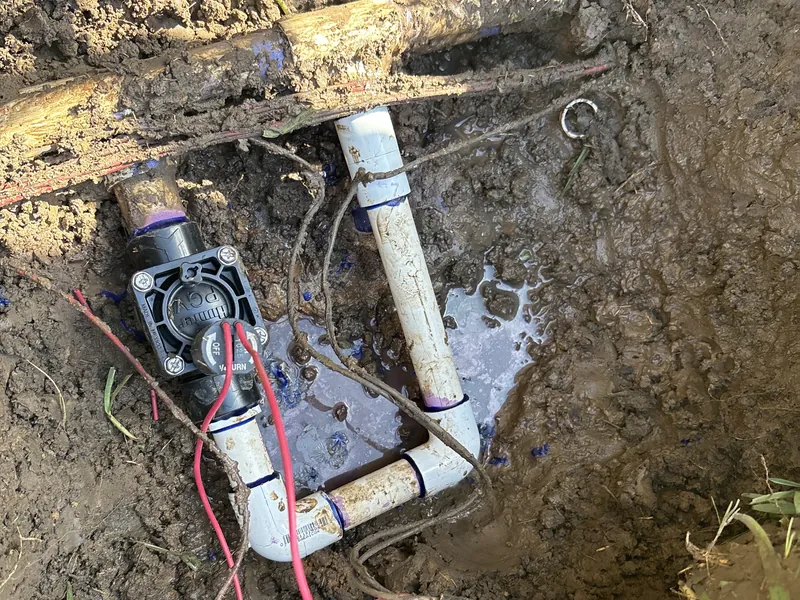
Sprinkler valves sit underground in valve boxes, so a leak may show up as a flooded box, a soggy area nearby or heads that seep after a zone shuts off.
Valve leaks can come from the valve body, its seals, the solenoid, the fittings around it, or debris that keeps it from sealing.
Diagnose My Sprinkler Problem See Typical Repair Cost Find a Sprinkler Pro
Quick Answer
A leaking sprinkler valve is usually caused by a worn or torn diaphragm, a loose or damaged bonnet, a leaking solenoid, cracked fittings, or debris that keeps the valve from closing fully. Because valves stay pressurized, a valve leak can waste water even when no zone is running. Determine whether water leaks only when the zone runs or all the time.
What You May Be Seeing
- Water in the valve box
- A soggy area near the valve box
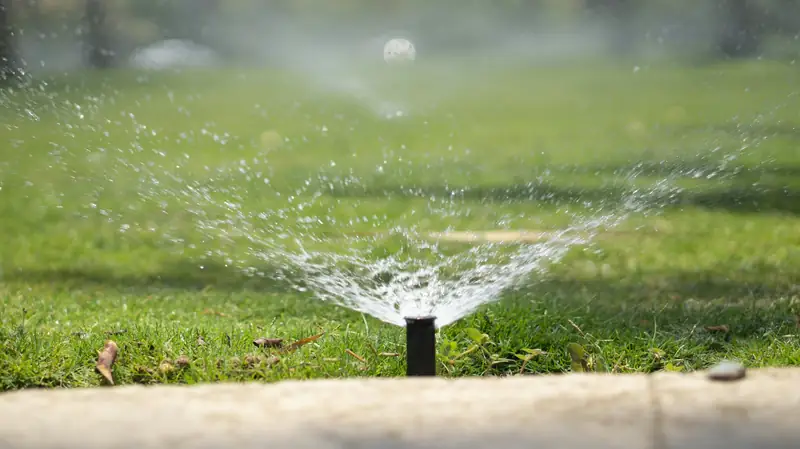
- Low heads in a zone seeping after it shuts off
- Water around the solenoid
- A zone that won’t shut off completely
- A higher water bill
Valves hold back pressurized water. When a seal, diaphragm or fitting fails, water can leak out of the valve or through it to the heads downstream.
The First Question to Ask
Does the valve leak only when the zone runs, or all the time?
A leak only while the zone runs often points to a fitting or seal on the outlet side. A continuous leak points to the pressurized inlet side, the bonnet, the solenoid or a valve that isn’t sealing.
If the Valve Leaks All the Time
The pressurized side is involved.
Common causes include:
- Worn or torn diaphragm: the valve can’t seal
- Loose or damaged bonnet: the valve cover isn’t sealed
- Solenoid leak: water escaping around the solenoid
- Cracked inlet fitting: on the supply side
- Cracked valve body: from age or freezing
If the Valve Leaks Only While the Zone Runs
The outlet side is more likely.
Common causes include:
- Outlet fitting leak: a loose or cracked fitting
- Pipe connection: a failed joint near the valve
- Bonnet seal under flow: a seal that leaks under pressure
If Water Seeps From Heads After the Zone Shuts Off
Water may be passing through the valve.
Common causes include:
- Debris in the valve: holding it partly open
- Diaphragm wear: not sealing fully
- Normal drainage: low heads can drain briefly after a cycle
The Valve Box Is Full of Water
A flooded valve box can come from a valve leak, a fitting leak nearby, or rain and groundwater. Note whether the box refills when it hasn’t rained.
Low Heads Seep Constantly
If the lowest heads in a zone keep seeping long after the zone stops, the valve may be letting water through.
After the System Was Turned Back On
Debris can lodge in a valve when the system is turned back on, and an older diaphragm can fail after sitting dry.
What You Can Check Yourself
- Look in the valve box for standing water (look only)
- Note whether the leak happens only when the zone runs
- Check whether low heads keep seeping long after a cycle
- Watch the water meter with the system off, if you can read it
- Close the irrigation shutoff if the leak is significant
What a Technician May Test
- Valve and bonnet inspection
- Diaphragm inspection
- Solenoid inspection
- Fitting and pipe inspection
- Pressure check
Most Common Causes
- Worn or torn diaphragm
- Loose or damaged bonnet
- Solenoid leak
- Cracked fitting
- Debris in the valve
- Cracked valve body
Repair or Replace?
Many valve leaks are repaired by cleaning the valve or replacing the diaphragm, solenoid or a fitting. A cracked valve body, an older valve or a valve that keeps leaking may be better replaced.
When to Call a Sprinkler Professional
Call a professional if:
- The leak continues with the system off
- The valve box keeps filling with water
- Water seeps from heads constantly
- The zone won’t shut off completely
- You’d need to open the valve to inspect it
Find a sprinkler repair pro or read our emergency shutoff guide if water won’t stop.
Related Sprinkler Problems
- Why Is My Sprinkler Valve Box Full of Water?
- Why Won’t My Sprinkler Valve Close?
- Why Won’t My Sprinkler Zone Shut Off?
- Why Is My Sprinkler System Leaking?
- Can My Sprinkler System Cause a High Water Bill?
Related Repairs
Typical Repair Cost
What you pay depends on the cause, the parts and your area. See our Sprinkler Valve Replacement Cost Guide for typical ranges. Prices vary, and only an on-site diagnosis can give you an actual quote.
Frequently Asked Questions
Why is my sprinkler valve leaking?
Common causes include a worn diaphragm, a loose bonnet, a leaking solenoid, cracked fittings or debris in the valve.
Can a leaking valve run up my water bill?
Yes. Valves stay pressurized, so a leak can continue even when no zone is running.
Can a leaking sprinkler valve be repaired?
Often. Cleaning the valve or replacing the diaphragm, solenoid or a fitting may fix it. Badly damaged valves are replaced.
Why do my low sprinkler heads keep dripping?
Brief drainage after a cycle can be normal. Constant seeping suggests the valve isn’t sealing.
Bottom Line
A leaking sprinkler valve usually has a worn seal, a damaged part or debris keeping it from closing. Because valves stay pressurized, leaks can continue around the clock.
A technician can inspect the valve and decide whether a repair or a replacement is the better fix.
Diagnose My Sprinkler Problem See Typical Repair Cost Find a Sprinkler Pro