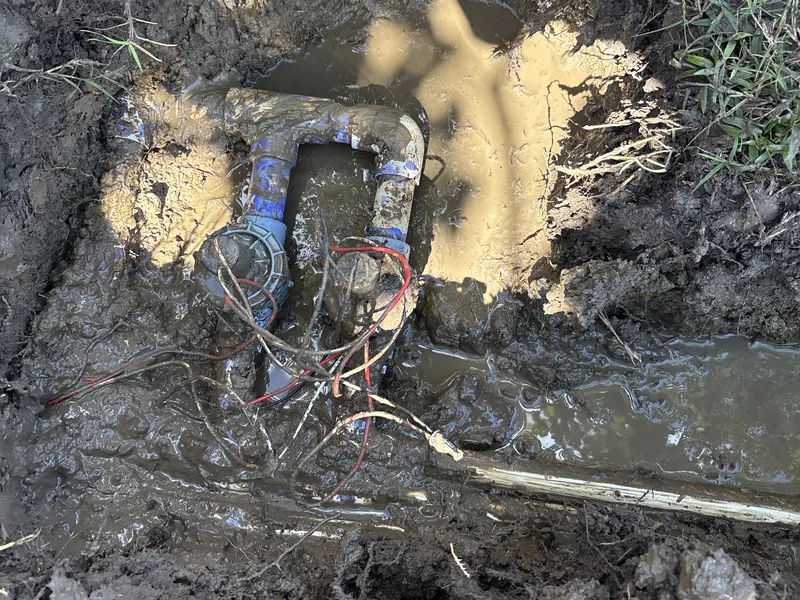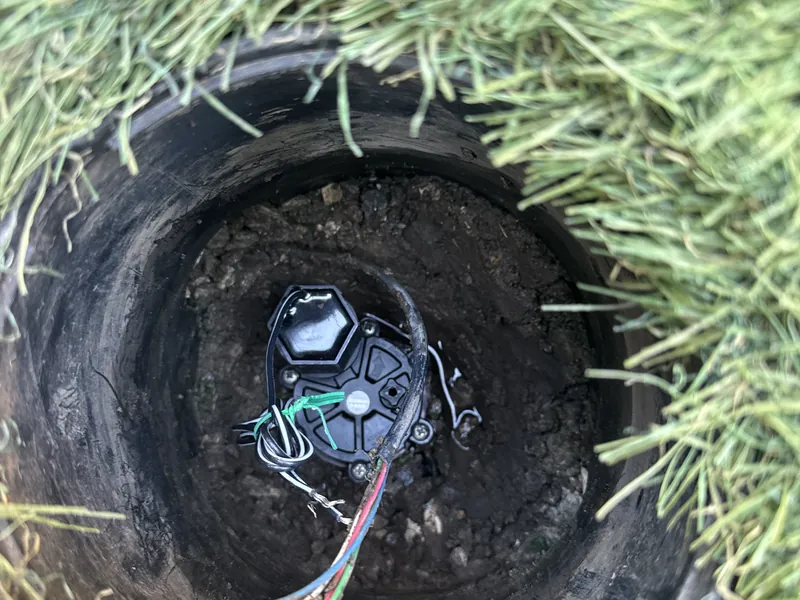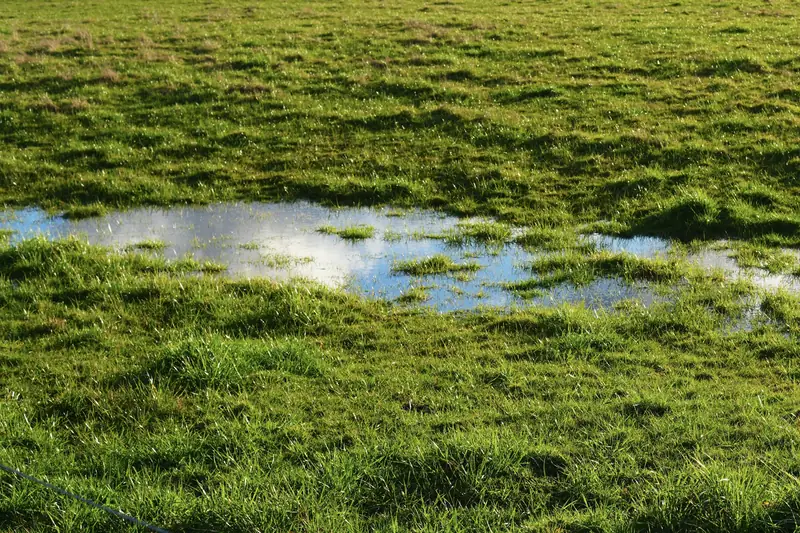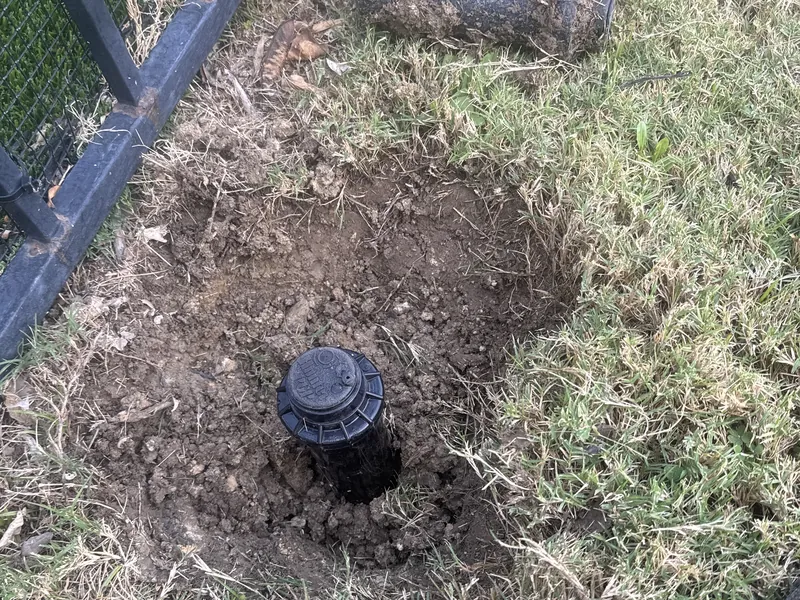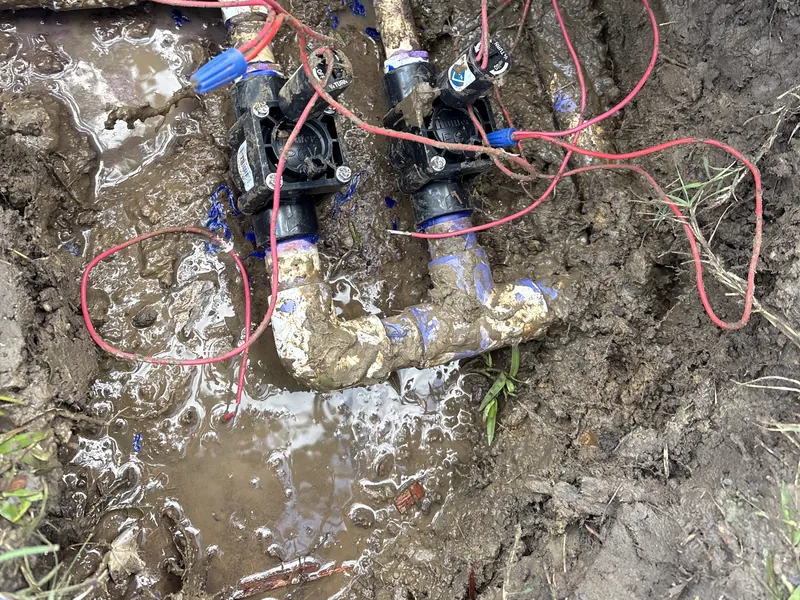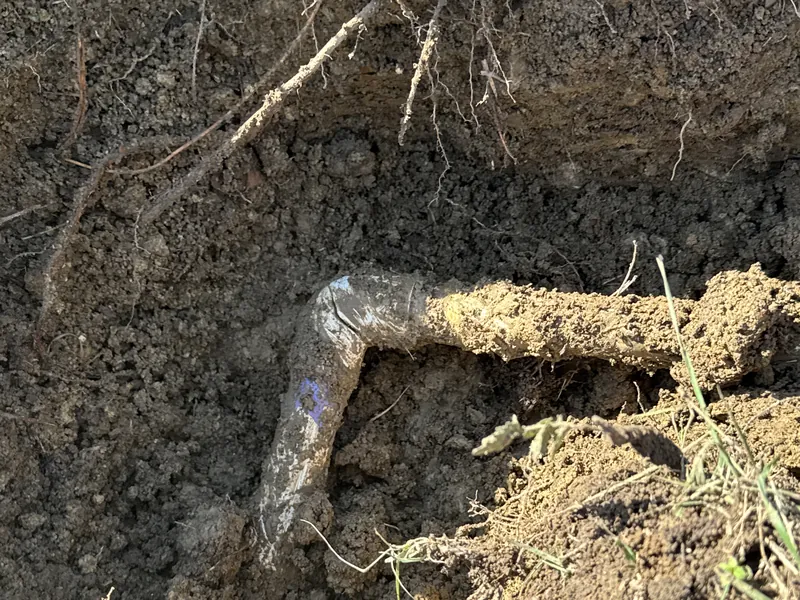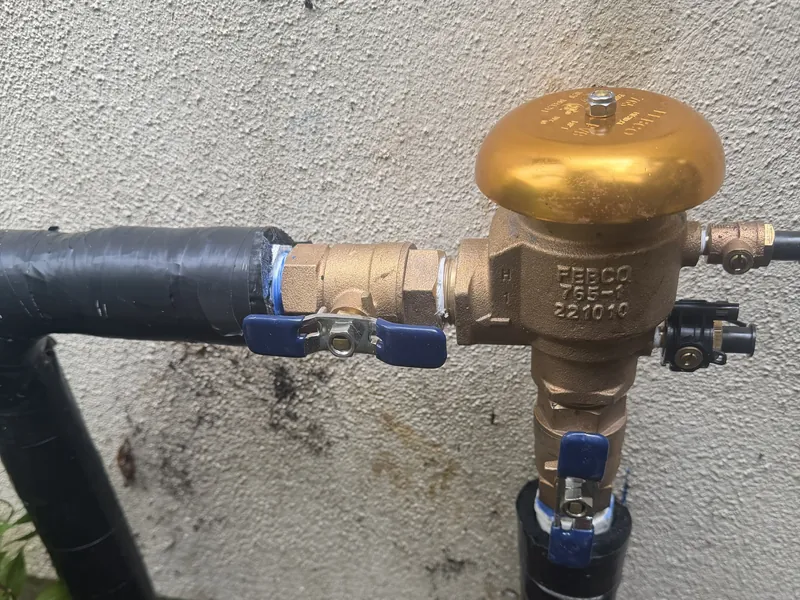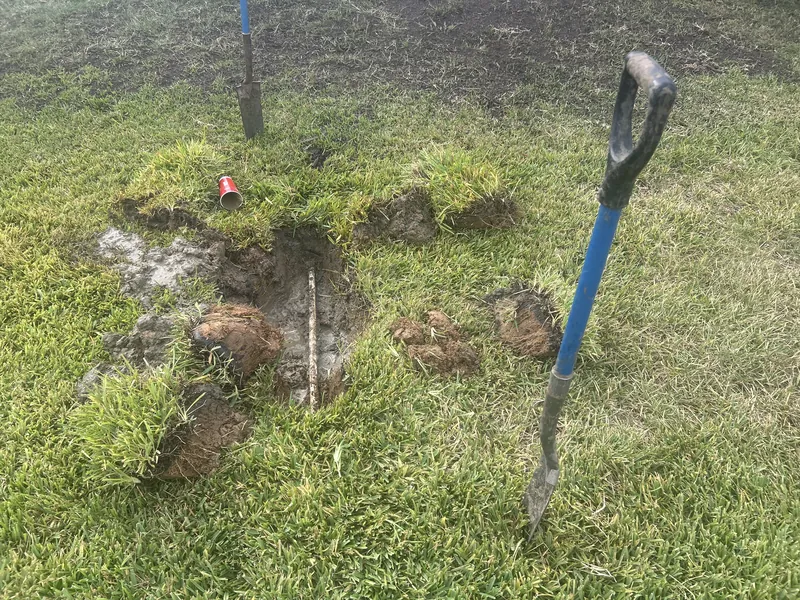
Underground sprinkler leaks are hard to see because the pipe is buried. Often the first signs are a soggy patch that never dries, a sunken spot or a water bill that’s higher than usual.
The location and timing of the wet area help tell whether the leak is on a zone’s lateral pipe or the pressurized mainline.
Diagnose My Sprinkler Problem See Typical Repair Cost Find a Sprinkler Pro
Quick Answer
Signs of an underground sprinkler leak include soggy or sunken areas, water bubbling up, low pressure and a higher water bill. If the area is wet only after a zone runs, the leak is likely on that zone’s lateral pipe. If it stays wet with the system off, the mainline or a valve may be leaking.
What You May Be Seeing
- A soggy or spongy patch that never dries
- Sunken soil or a small sinkhole
- Water bubbling from the ground
- Unusually green grass in one spot
- Low pressure in a zone
- A higher water bill
Buried pipes leak into the soil, so the first sign is usually wet, soft or sunken ground over the leak, or a pressure drop in the heads downstream.
The First Question to Ask
Is the area wet only after a zone runs, or all the time?
Wet only after watering suggests a zone’s lateral pipe or fitting. Wet all the time suggests the mainline, a valve or another pressurized part.
If It’s Wet Only After a Zone Runs
The leak is probably on the zone side.
Common causes include:
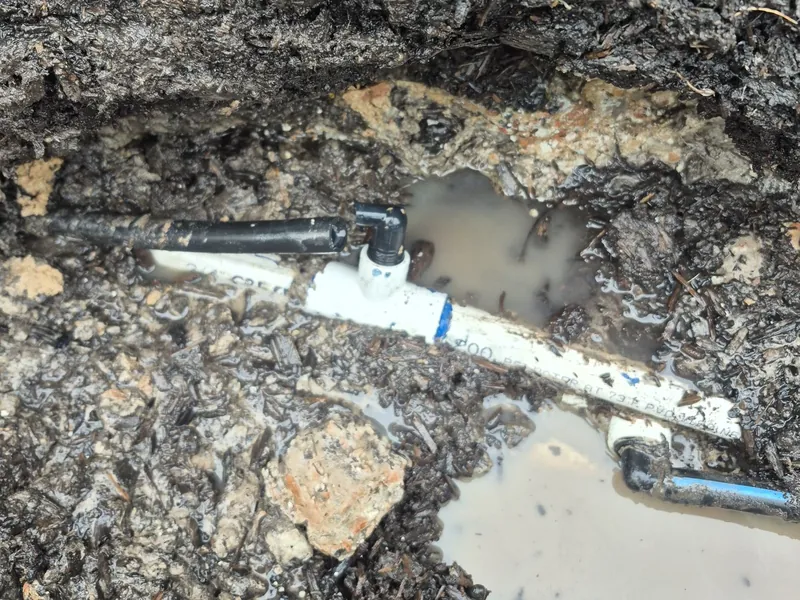
- Broken lateral pipe: from roots, digging or age
- Cracked fitting: at a tee or elbow
- Broken swing pipe or riser: under a head
If It’s Wet All the Time
A pressurized part is likely leaking.
Common causes include:
- Mainline leak: always under pressure
- Valve leak: at or near the valve
- Supply-side fitting: before the valves
Roots Near Sprinkler Lines
Tree and shrub roots can crack or crush pipes over time. Leaks near trees are common.
After Digging or Construction
Fence posts, plantings and utility work can damage buried pipe.
After a Freeze
Freezing can crack pipe and fittings, and leaks may appear when the system is turned back on.
What You Can Check Yourself
- Run one zone at a time and watch for wet areas
- Check whether wet spots remain with the system off
- Look for sunken soil or bubbling
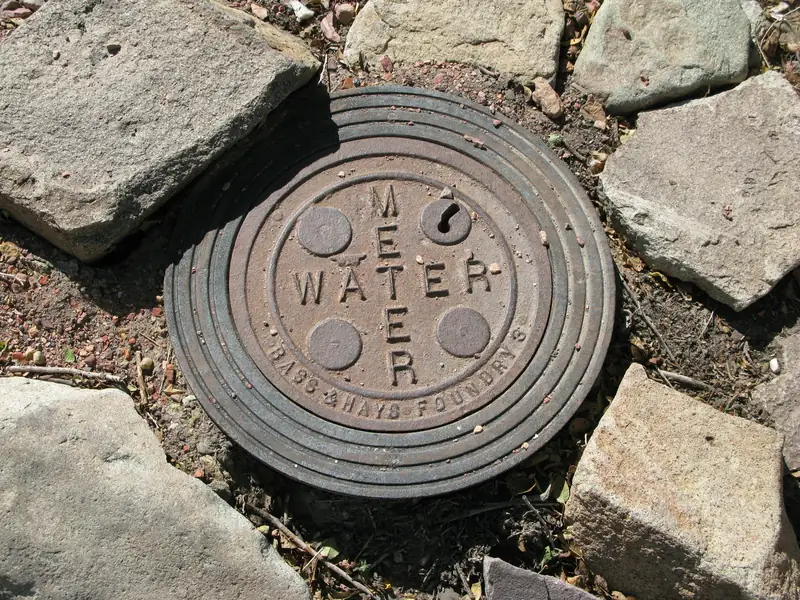
- Watch the water meter with all water off, if you can read it
- Close the irrigation shutoff if water is flowing steadily
What a Technician May Test
- Zone isolation
- Leak location
- Careful excavation
- Pressure tests
- Pipe and fitting repair
Most Common Causes
- Broken lateral pipe
- Cracked fitting
- Mainline leak
- Root damage
- Digging damage
- Freeze damage
Repair or Replace?
Most underground leaks are repaired by replacing the damaged pipe section or fitting. Systems with brittle pipe and repeated leaks may benefit from an inspection before larger work is considered.
When to Call a Sprinkler Professional
Call a professional if:
- You can’t find the leak
- The area stays wet with the system off
- Soil is sinking
- Water is near the foundation
- Your water bill jumped
Find a sprinkler repair pro or read our emergency shutoff guide if water won’t stop.
Related Sprinkler Problems
- Why Is My Sprinkler System Leaking?
- Why Is My Sprinkler Pipe Leaking?
- Can My Sprinkler System Cause a High Water Bill?
- Why Is My Sprinkler Water Pressure Low?
- Why Is Water Pooling After My Sprinklers Run?
Related Repairs
Typical Repair Cost
What you pay depends on the cause, the parts and your area. See our Sprinkler Leak Repair Cost Guide for typical ranges. Prices vary, and only an on-site diagnosis can give you an actual quote.
Frequently Asked Questions
How can I tell if my sprinkler has an underground leak?
Look for soggy or sunken areas, bubbling water, low pressure and a higher water bill.
Can an underground sprinkler leak raise my water bill?
Yes, especially a mainline leak, which can leak around the clock.
How is an underground sprinkler leak found?
A technician isolates zones, watches for wet areas and pressure changes, and excavates carefully at the suspected spot.
Do roots break sprinkler pipes?
They can. Roots can crack or crush buried pipe over time.
Bottom Line
Underground sprinkler leaks show up as wet, soft or sunken ground, low pressure or a higher water bill.
A technician can isolate the zone or line, find the leak and repair the damaged pipe or fitting.
Diagnose My Sprinkler Problem See Typical Repair Cost Find a Sprinkler Pro