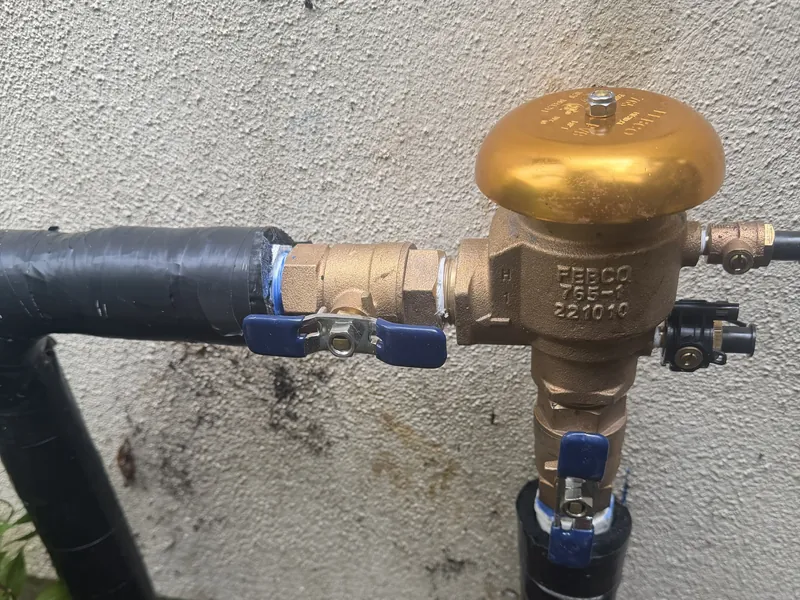
The backflow preventer protects drinking water by keeping irrigation water from flowing back into the supply. It’s usually above ground near the house or water meter.
Leaks from a backflow preventer can come from worn internal parts, debris, pressure changes or freeze damage.
Diagnose My Sprinkler Problem See Typical Repair Cost Find a Sprinkler Pro
Quick Answer
A leaking backflow preventer is usually caused by worn seals or internal parts, debris holding a check or relief valve open, pressure fluctuations or freeze damage. Because backflow preventers protect drinking water, repairs and testing should be done carefully, and local water providers may have specific requirements. If it’s spraying, close the irrigation shutoff.
What You May Be Seeing
- Water dripping or spraying from the device
- Water discharging from a relief port
- Cracked body or fittings
- Low pressure throughout the system
- A wet area under the device
Backflow preventers contain check valves and seals that can wear out or be held open by debris. Some designs are built to discharge water when something isn’t sealing.
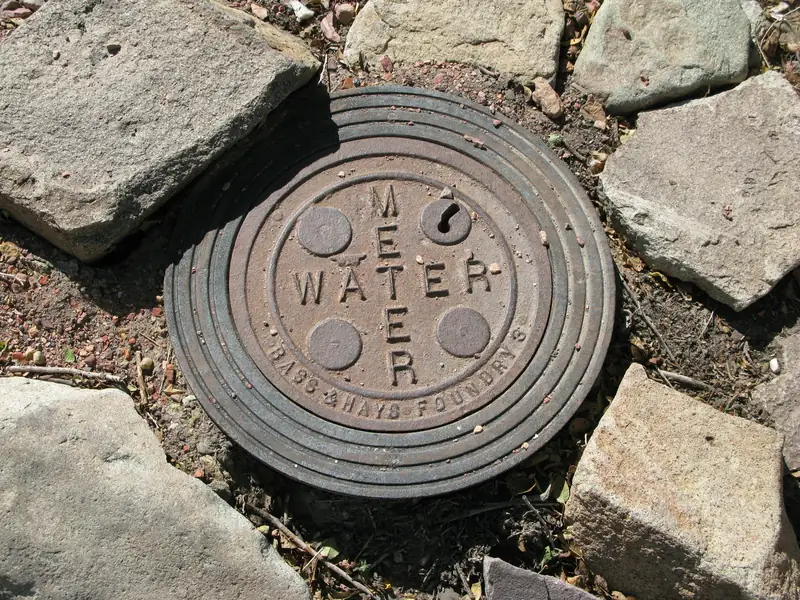
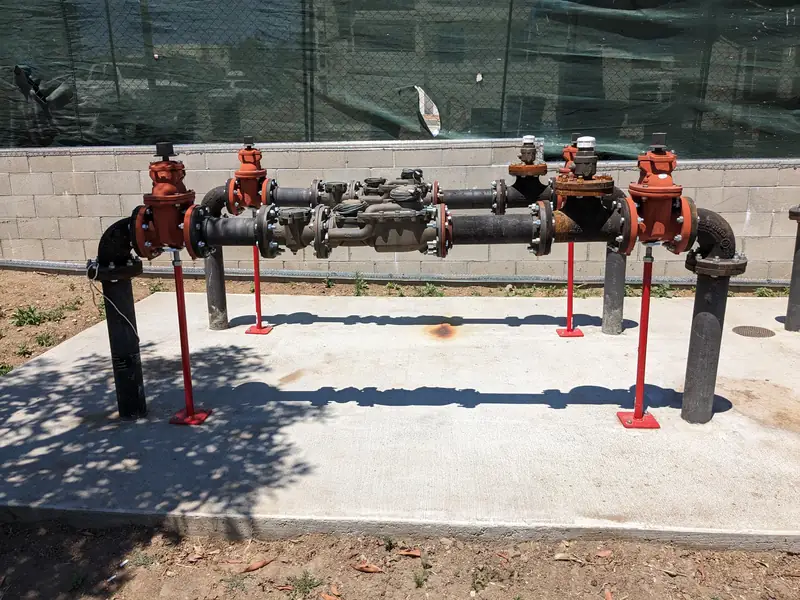 Photo: Mds08011, CC BY 4.0
The First Question to Ask
Is water dripping occasionally, or spraying or discharging steadily?
An occasional drip may be a minor seal issue. Steady spraying or discharge usually means a failed part or freeze damage and should be addressed soon.
If It Drips Occasionally
A seal or minor issue is likely.
Common causes include:
- Worn seal: at a fitting or cap
- Debris: briefly holding a valve open
- Pressure changes: causing occasional discharge
If It Sprays or Discharges Steadily
A failed part or damage is likely.
Common causes include:
- Failed check or relief valve: internal parts worn
- Freeze damage: cracked body or parts
- Debris lodged: holding a valve open
After a Freeze
Freezing can crack the body or internal parts of a backflow preventer.
After the Water Was Turned Back On
Debris pushed through the line can hold internal valves open.
After a Test or Repair
Parts that weren’t reseated correctly can leak.
What You Can Check Yourself
- Note whether water drips or sprays
- Close the irrigation shutoff if water is spraying
- Look for visible cracks (look only)
- Note whether the leak started after a freeze
What a Technician May Test
- Device inspection
- Internal parts inspection
- Backflow testing where required
- Repair or replacement of failed parts
Most Common Causes
- Worn seals or internal parts
- Debris
- Pressure fluctuations
- Freeze damage
- Cracked body
Repair or Replace?
Many backflow leaks are fixed by replacing worn internal parts. A cracked or badly damaged device is usually replaced. Testing requirements vary by area.
When to Call a Sprinkler Professional
Call a professional if:
- Water is spraying from the device
- The body is cracked
- The leak started after a freeze
- Your water provider requires testing
Find a sprinkler repair pro or read our emergency shutoff guide if water won’t stop.
Related Sprinkler Problems
- Why Is My Sprinkler System Leaking?
- Why Is My Sprinkler Water Pressure Low?
- Can My Sprinkler System Cause a High Water Bill?
Related Repairs
Typical Repair Cost
What you pay depends on the cause, the parts and your area. See our Backflow Repair Cost Guide for typical ranges. Prices vary, and only an on-site diagnosis can give you an actual quote.
Frequently Asked Questions
Why is my backflow preventer leaking?
Worn seals or internal parts, debris, pressure changes or freeze damage are common causes.
Is a leaking backflow preventer dangerous?
It protects drinking water, so it should be repaired properly. A steady leak also wastes water.
Can a backflow preventer be repaired?
Often, by replacing worn internal parts. Badly damaged devices are replaced.
Does my backflow preventer need testing?
Requirements vary by area and water provider. Check with your local water provider.
Bottom Line
A leaking backflow preventer usually has worn parts, debris or freeze damage.
Because it protects drinking water, a qualified professional should inspect and repair it, following any local testing requirements.
Diagnose My Sprinkler Problem See Typical Repair Cost Find a Sprinkler Pro