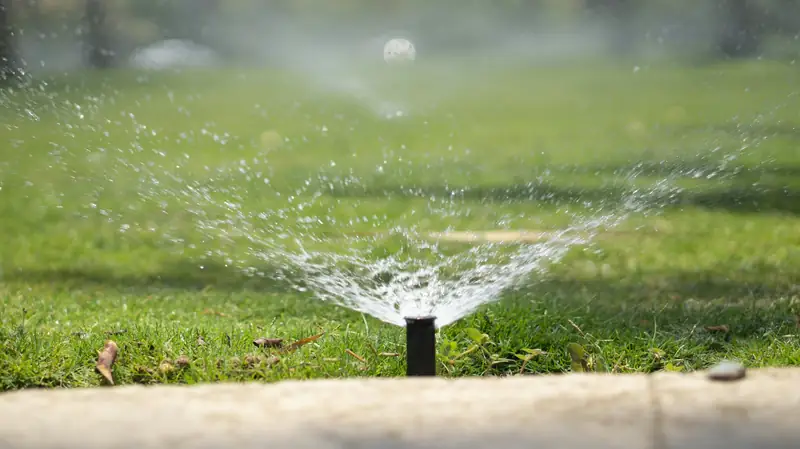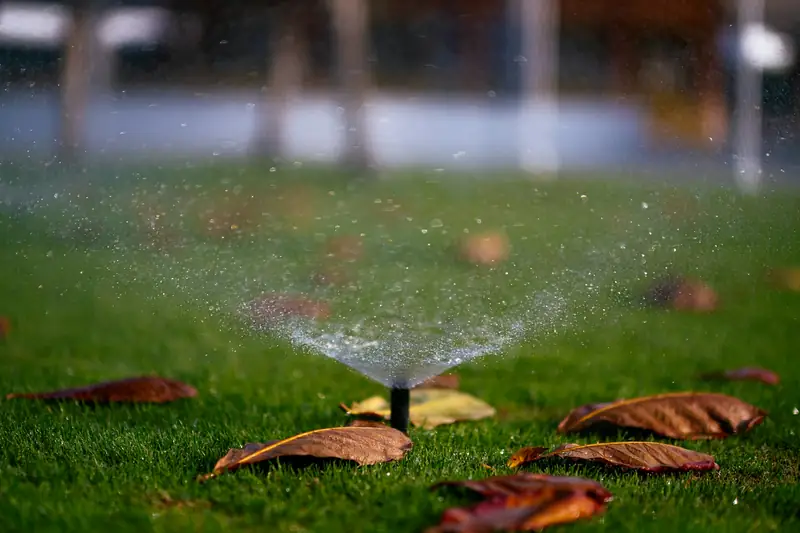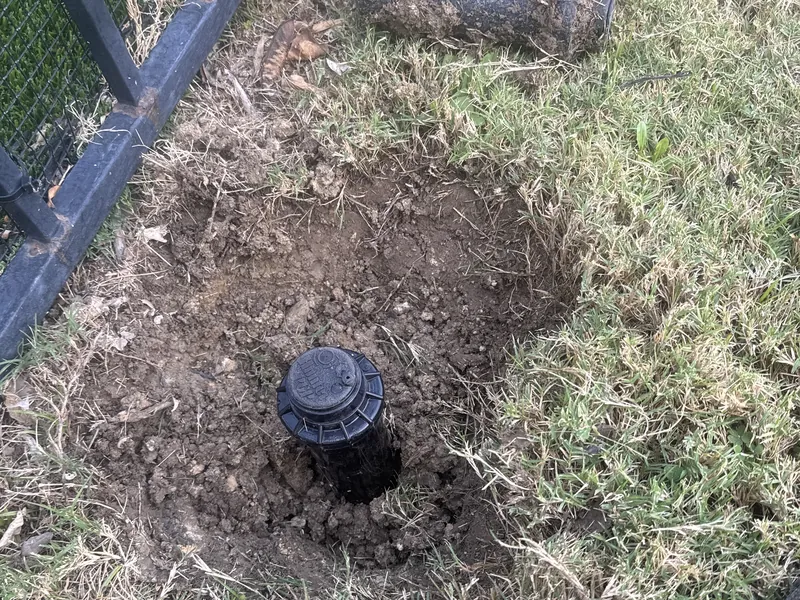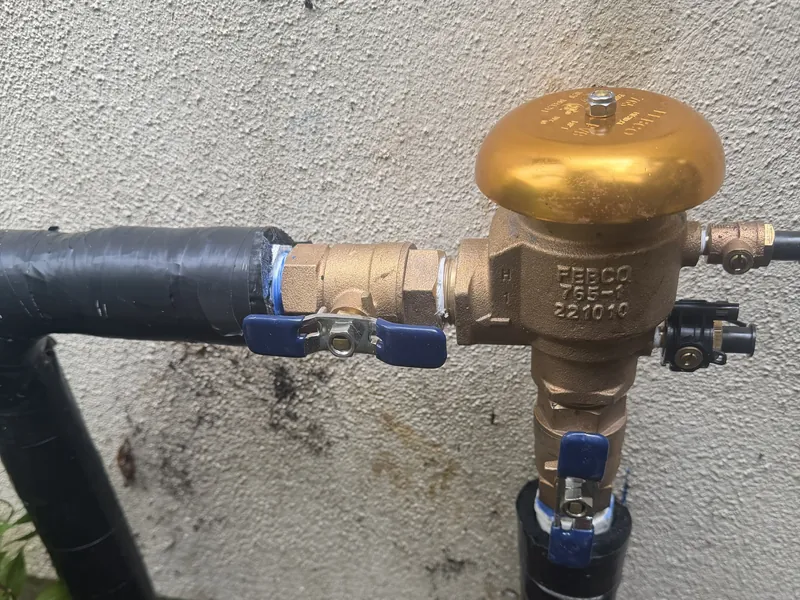
You start the sprinkler system and most of the yard waters normally, but one zone sits completely still. No heads pop up, no water comes out, and that section of lawn or landscape starts to dry out.
When only one zone fails, the problem is usually isolated to that zone’s valve, its solenoid, or the wire that carries the signal from the controller to the valve. But a programming setting or a closed flow control can cause the same symptom, so it pays to narrow it down before assuming which part has failed.
Diagnose My Sprinkler Problem See Typical Repair Cost Find a Sprinkler Pro
Quick Answer
When a single zone won’t turn on, the most common causes are a failed valve solenoid, a valve that isn’t opening, a broken or corroded field wire, or a problem with that station on the controller. The first thing to determine is whether the controller actually shows the zone running. That one answer separates electrical and valve problems from programming problems, and this kind of problem can usually be traced to one part.
What You May Be Seeing
- One zone does nothing while the other zones run normally
- The controller shows the zone running, but no heads rise
- The zone works when opened manually at the valve but not from the controller
- The zone stopped after digging, landscaping or a storm
- A dry, browning section of lawn or beds matching one zone
- The zone runs sometimes and not other times
- A faint click or hum at the valve box but no water
Because each zone has its own valve, solenoid and control wire, a failure in any one of those parts usually affects only that zone. That’s why a single dead zone usually points to something specific to that zone rather than the water supply or the whole system.
The First Question to Ask
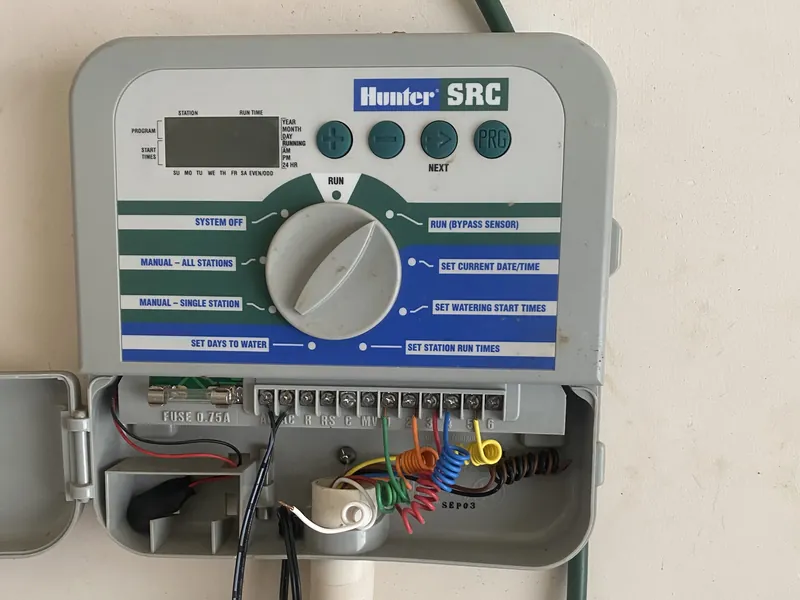
Does the controller show that this zone is running?
If the controller says the zone is running but no water comes out, the signal is probably being sent and something between the controller terminal and the valve (wire, solenoid or valve) isn’t responding. If the controller never starts the zone at all, the cause is more likely programming or the controller’s station output.
If the Controller Says the Zone Is Running but Nothing Happens
The controller is trying to open the valve, but the valve isn’t opening or isn’t getting the signal.
Common causes include:
- Failed solenoid: the electrical part that opens the valve may have burned out or stuck
- Valve failure: a torn diaphragm, debris or a stuck valve can keep it closed
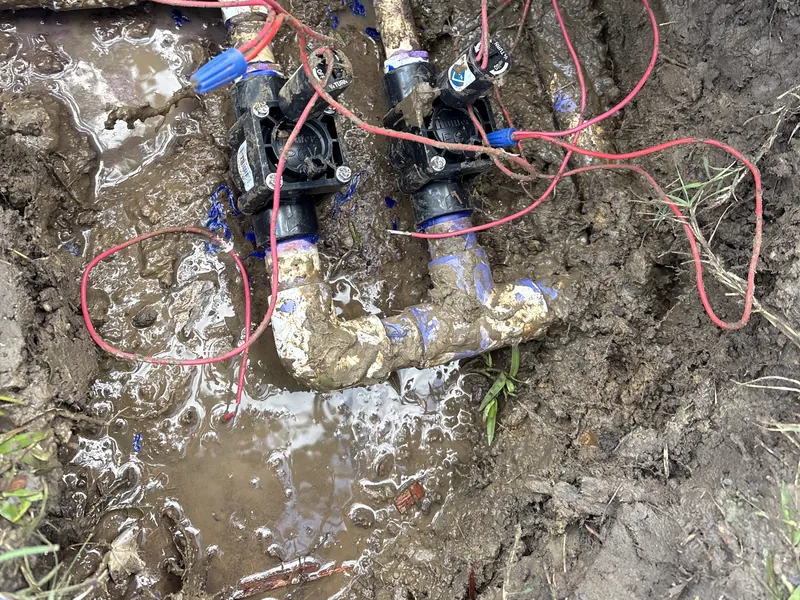
- Broken field wire: a cut, corroded or loose splice stops the signal from reaching the valve
- Bad common wire: the shared return wire may have a break near this valve
- Controller station output: that terminal may not be sending power
- Flow control closed: the valve’s flow control may be turned all the way down
If the Controller Doesn’t Start the Zone
The signal may never be sent, which points to the controller or its settings.
Common causes include:
- Zone not programmed: the zone may have no run time or be skipped
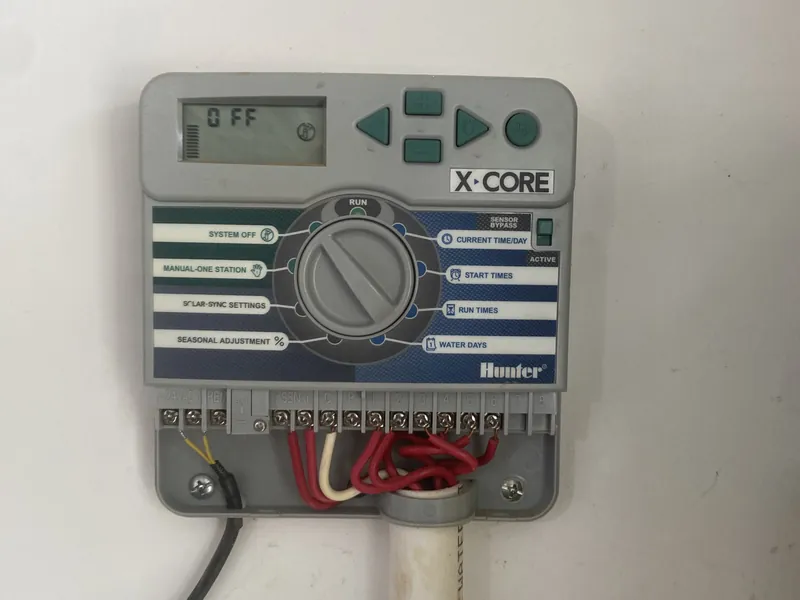
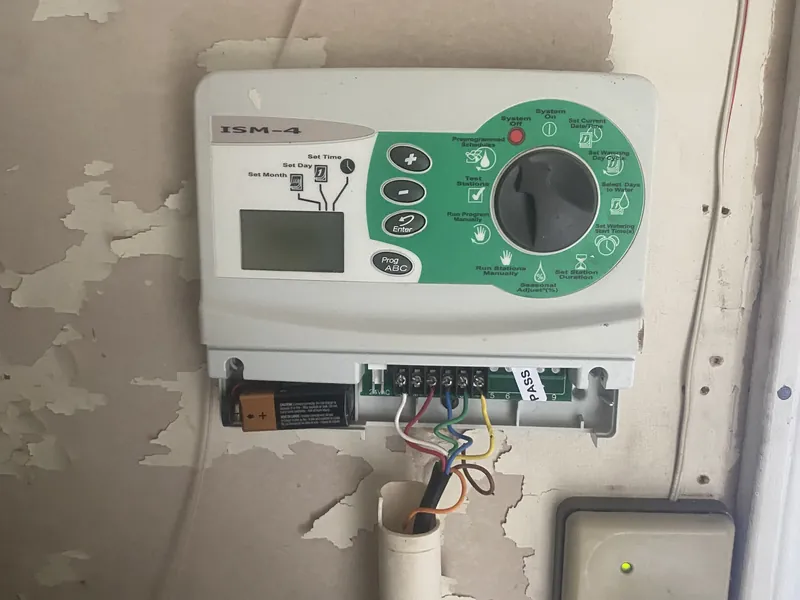
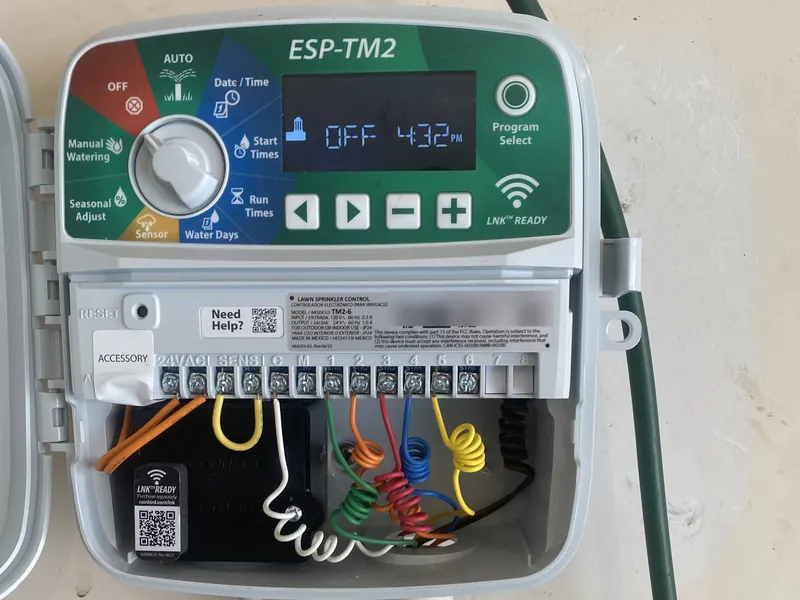
- Station terminal problem: a loose wire at the controller terminal
- Controller output failure: the station may be damaged, sometimes after a power surge
- Wire on the wrong terminal: common after a controller replacement
If the Zone Works Only When Opened Manually at the Valve
If the zone runs when the valve is opened by hand but not from the controller, the water side is fine and the problem is electrical.
Common causes include:
- Solenoid: a failed coil or plunger
- Field wire: a break or bad splice between controller and valve
- Common wire: a shared wire problem
- Controller station: no output from that terminal
Controller Shows the Zone Running, but No Water Comes Out
This is the most common version of this problem. It usually means the controller is doing its job and the failure is at the valve end: the solenoid, the valve itself, or the wire connecting them. A technician can confirm which one by testing the station’s output and the solenoid’s electrical resistance.
The Zone Stopped After Digging or Landscaping Work
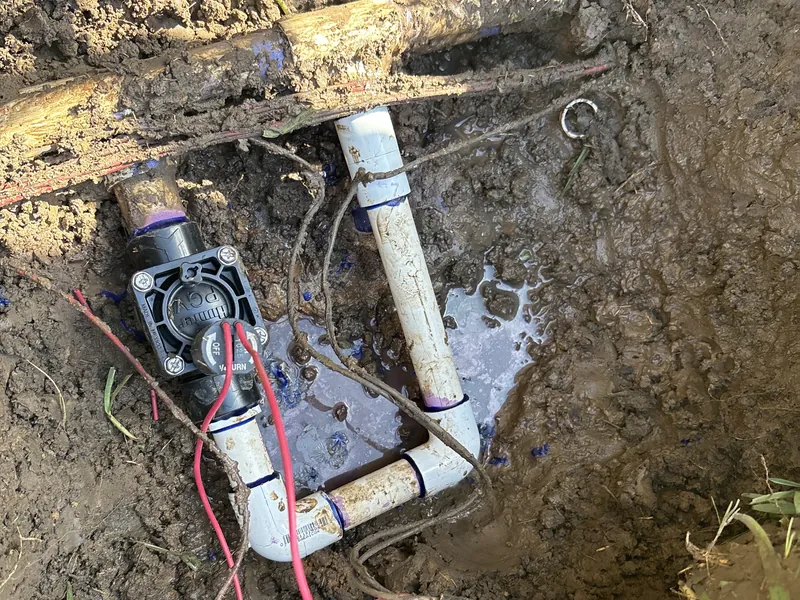
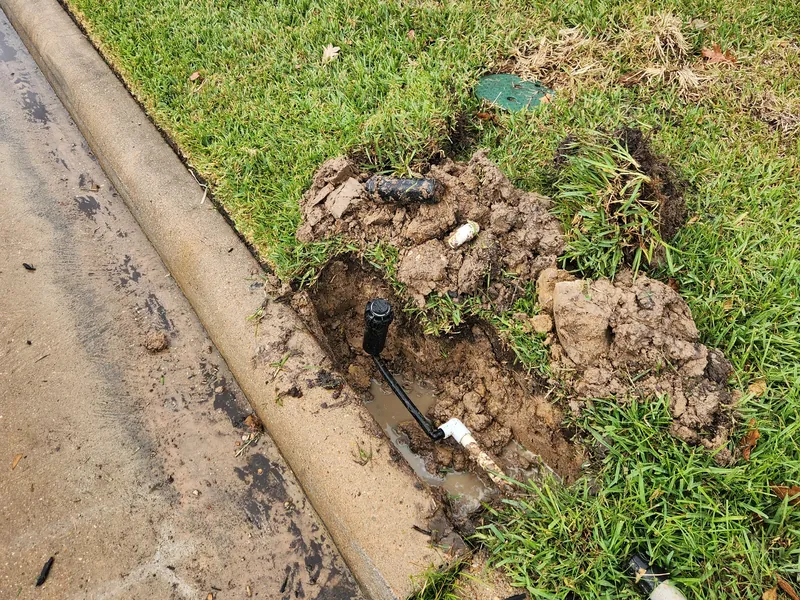
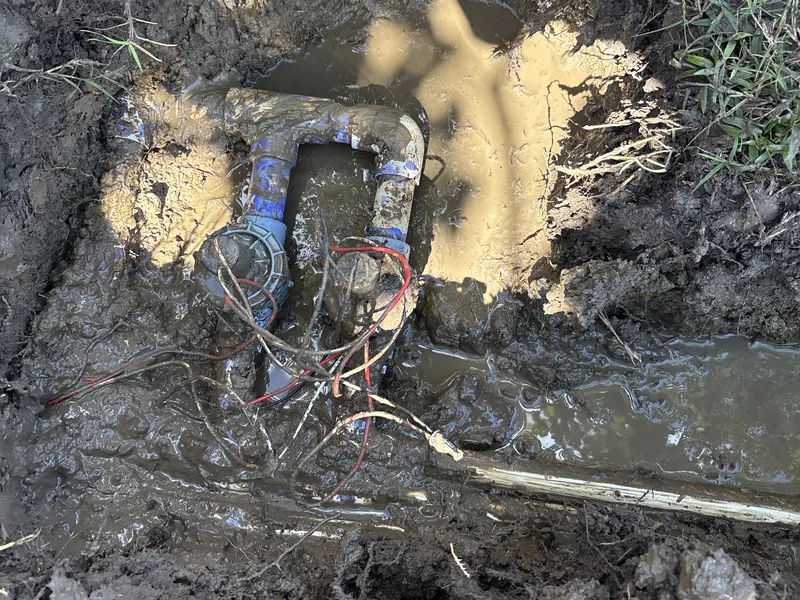
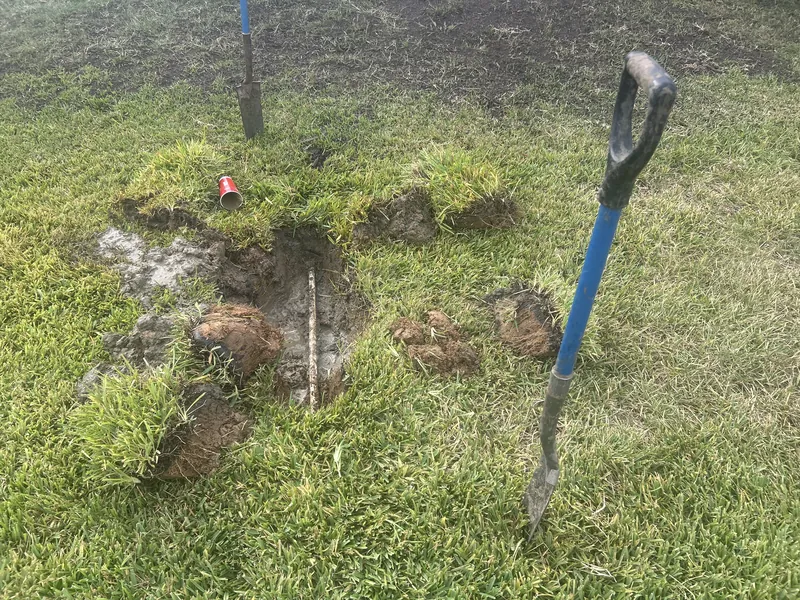
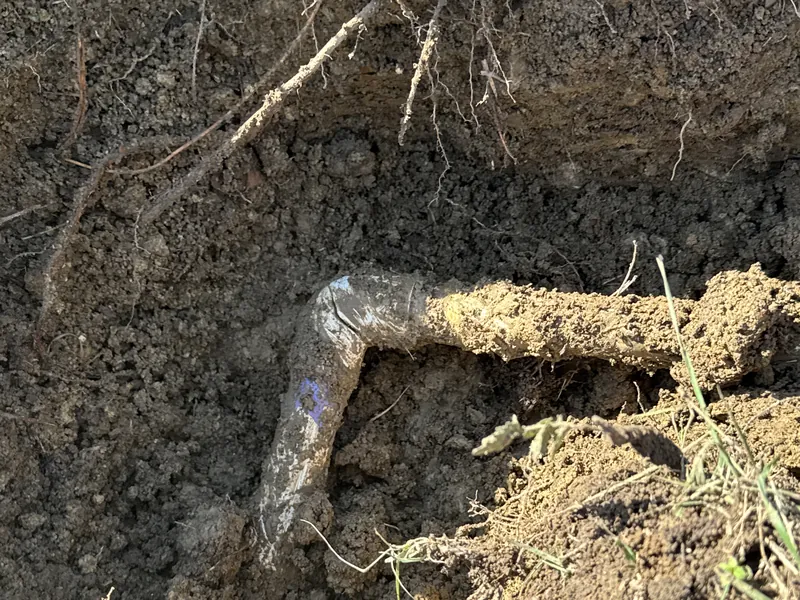
Irrigation control wires are often buried along pipe runs. Edging, planting, fence posts or utility work can nick or cut a wire, which stops one zone, or several zones that share the cut wire. If the problem started right after work in the yard, a damaged wire is a strong possibility.
After a Storm or Power Outage
Lightning and power surges can damage a controller station or a solenoid. If the zone stopped after a storm, the controller’s output for that station and the solenoid are both worth testing.
What You Can Check Yourself
- Confirm the zone has a run time in the active program and isn’t being skipped
- Check for a rain delay, rain-sensor shutoff or seasonal adjustment set to zero
- Start the zone manually from the controller and watch for any heads rising
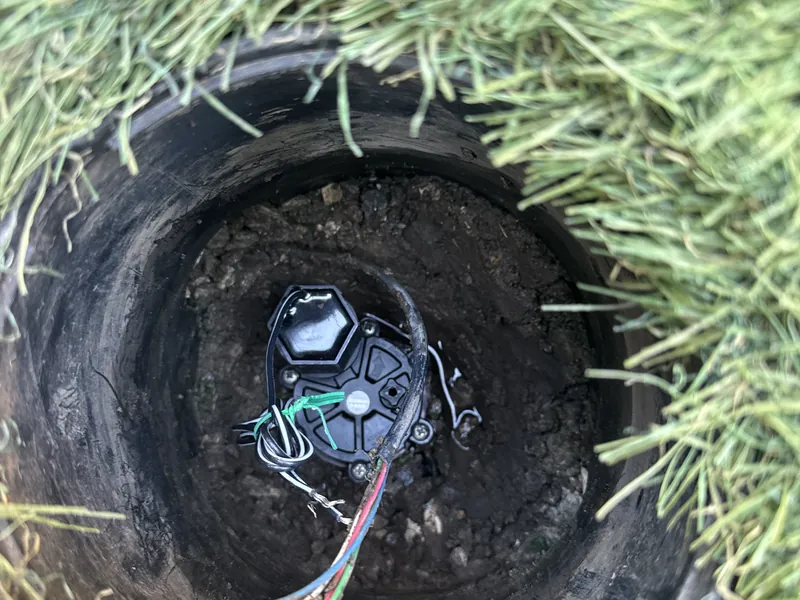
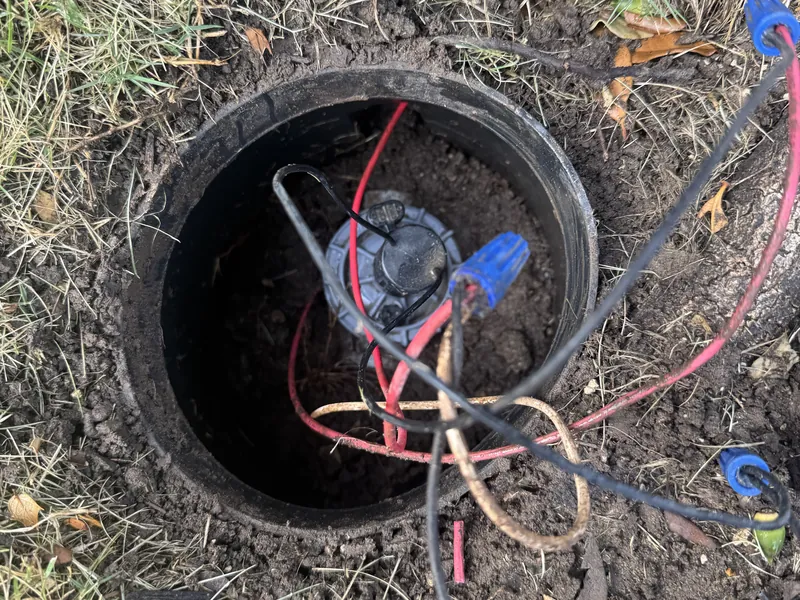
- Look in the valve box for obvious damage, standing water or disconnected wires (look only)
- Make sure the irrigation water supply valve is fully open
- Note whether the problem started after digging, a storm or a controller change
What a Technician May Test
- Station output voltage at the controller
- Solenoid resistance (ohm) test
- Field-wire and common-wire continuity
- Manual operation of the valve
- Inspection of the valve diaphragm and internal parts
Most Common Causes
- Failed valve solenoid
- Valve diaphragm or internal valve failure
- Broken or corroded field wire or splice
- Common-wire problem
- Controller station output failure
- Programming or skipped station
- Valve flow control closed
Repair or Replace?
A single dead zone rarely means the system needs replacing. Solenoids, valve diaphragms and wire splices can usually be repaired or replaced individually. Replacing the whole valve may make sense if it’s old, cracked or repeatedly failing, and replacing the controller is usually only necessary if testing shows the controller itself is faulty.
When to Call a Sprinkler Professional
Call a professional if:
- The controller shows the zone running but no water comes out
- The zone works at the valve but not from the controller (an electrical problem)
- You suspect a cut wire after digging
- Several zones fail at once
- The valve box is full of water
Find a sprinkler repair pro or read our emergency shutoff guide if water won’t stop.
Related Sprinkler Problems
- Why Are Multiple Sprinkler Zones Not Working?
- How Do I Know If My Sprinkler Solenoid Is Bad?
- Why Won’t My Sprinkler Valve Open?
- How Do I Know If My Sprinkler Common Wire Is Bad?
- Why Isn’t My Sprinkler Controller Working?
- Why Won’t My Sprinkler System Turn On?
Related Repairs
- Sprinkler Solenoid Replacement
- Sprinkler Valve Repair
- Sprinkler Wire Repair
- Sprinkler Controller Repair
Typical Repair Cost
What you pay depends on the cause, the parts and your area. See our Sprinkler Solenoid Replacement Cost Guide for typical ranges. Prices vary, and only an on-site diagnosis can give you an actual quote.
Frequently Asked Questions
Why would only one sprinkler zone stop working?
Each zone has its own valve, solenoid and control wire. When one of those parts fails, only that zone is affected, which is why a single dead zone usually points to a zone-specific problem.
Can a bad solenoid stop a zone from turning on?
Yes. The solenoid is the electrical part that opens the valve. If it fails, the valve stays closed even when the controller sends the signal.
How do I know if it’s the wire or the solenoid?
A technician tests the solenoid’s resistance and the wire’s continuity. Those tests separate a failed solenoid from a broken wire without guessing.
Should I replace my controller if one zone won’t work?
Usually not. Most single-zone failures are at the valve, solenoid or wire. The controller should be tested before it’s replaced.
Is it safe to open the valve box?
Looking inside the valve box is generally fine. Avoid taking apart valves under pressure and avoid electrical testing; leave those to a technician.
Bottom Line
When one sprinkler zone won’t turn on, the cause is usually specific to that zone: the solenoid, the valve, or the wire between the valve and the controller. Programming settings are worth checking first because they’re easy to rule out.
If the controller shows the zone running and nothing happens, a technician can test the controller output, solenoid and wiring to find the failed part and repair just that part.
Diagnose My Sprinkler Problem See Typical Repair Cost Find a Sprinkler Pro