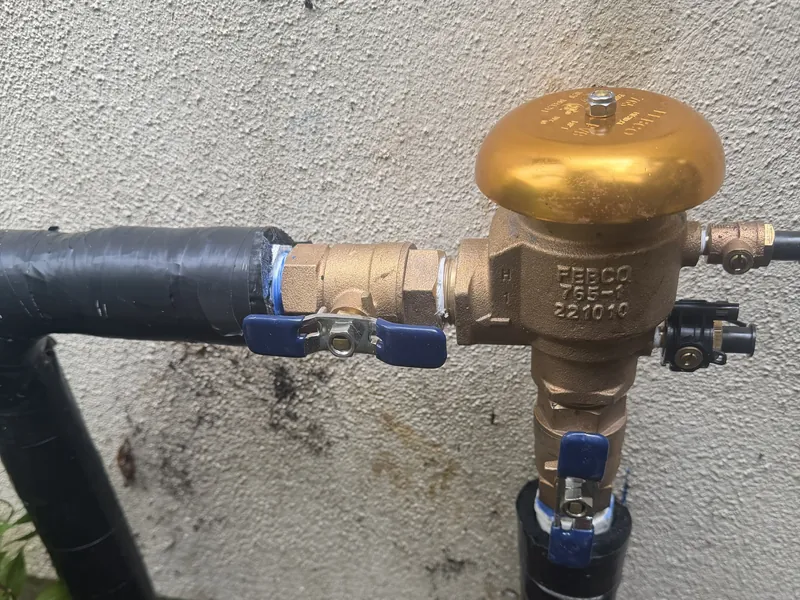
When a sprinkler valve won’t open, its zone stays dry even though the controller is running it.
The cause can be electrical, such as the solenoid, field wire, common wire or controller, or mechanical, such as the diaphragm, debris or a closed flow control.
Diagnose My Sprinkler Problem See Typical Repair Cost Find a Sprinkler Pro
Quick Answer
A sprinkler valve that won’t open usually has a failed solenoid, a wiring problem, a controller output problem, or an internal valve issue like debris or a stuck diaphragm. A closed flow control or a closed water supply can also keep a zone from running. The key question is whether the valve opens when operated manually.
What You May Be Seeing
- A zone doesn’t run when the controller starts it
- No click or water at the valve
- The zone works when opened manually but not automatically
- The zone works intermittently
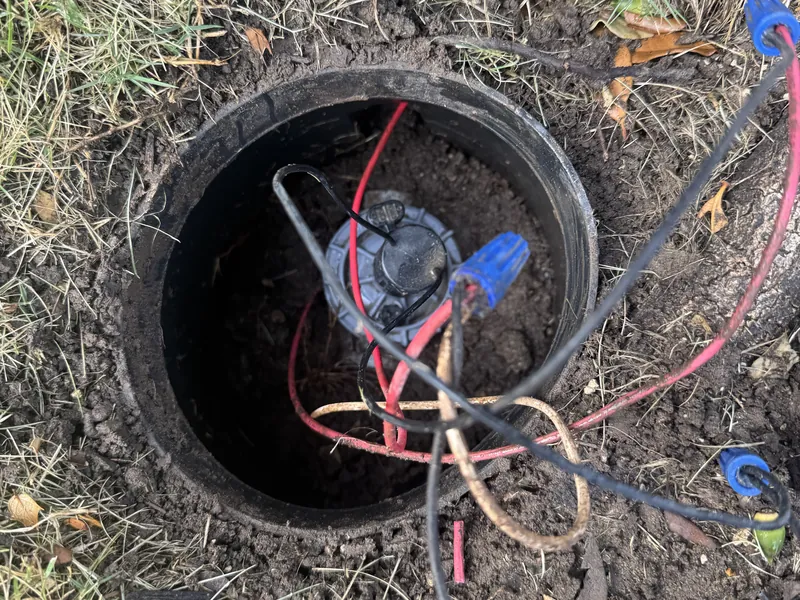
Electric sprinkler valves open when the solenoid gets a signal and releases water pressure from above the diaphragm. If either the electrical signal or the valve’s internal parts fail, the valve stays closed.
The First Question to Ask
Does the valve open when operated manually?
If a technician (or the valve’s manual bleed) can open the valve and the zone runs, the water side works and the problem is electrical. If it won’t open manually either, the valve itself, the flow control or the water supply is likely the problem.
If the Valve Opens Manually but Not From the Controller
The problem is electrical.
Common causes include:
- Failed solenoid: burned out or stuck
- Broken field wire: the signal isn’t reaching the valve
- Common-wire problem: the return path is broken
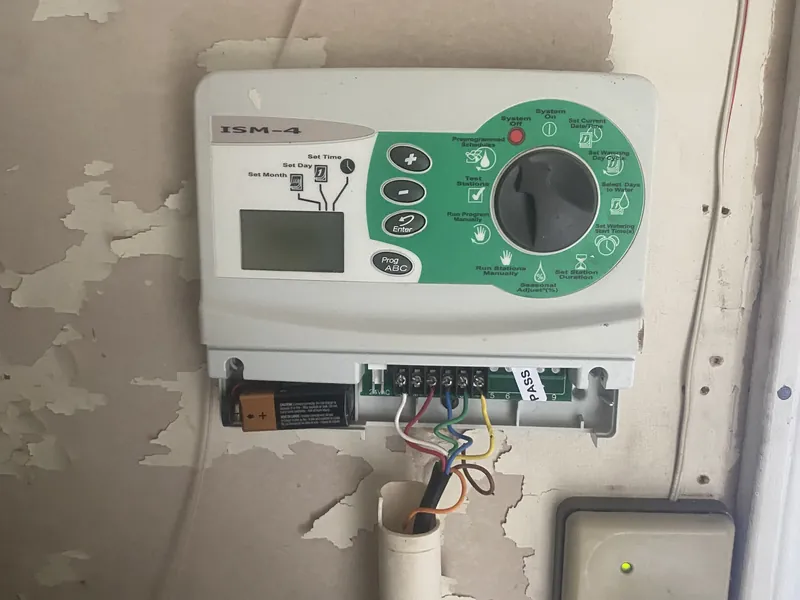
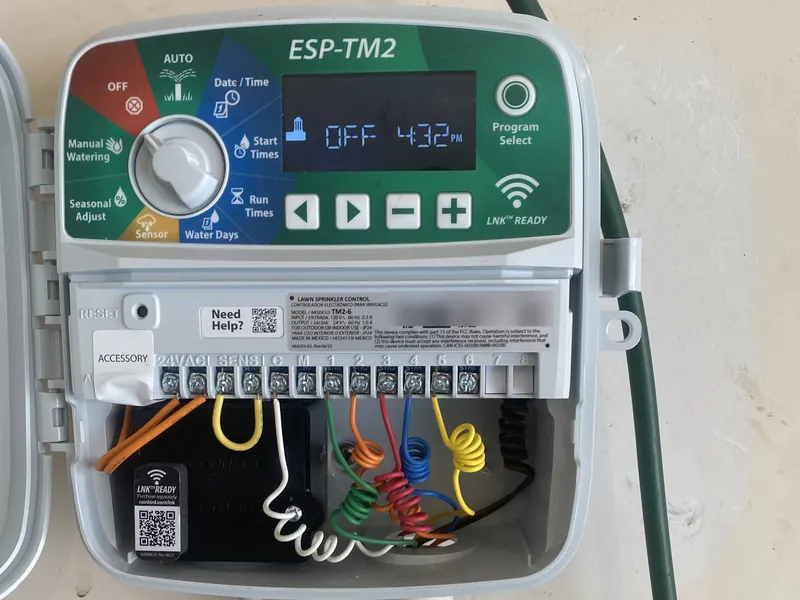
- Controller station output: not sending power
If the Valve Won’t Open Manually Either
The problem is mechanical or supply-related.
Common causes include:
- Debris in the valve: blocking ports or the diaphragm
- Stuck or damaged diaphragm: not lifting
- Flow control closed: turned all the way down
- Water supply closed: the irrigation shutoff is off
After Digging or Landscaping
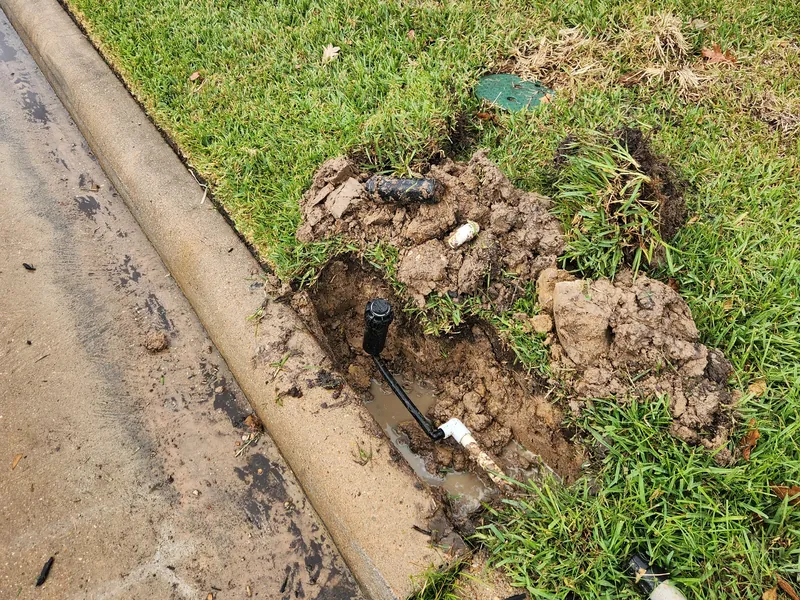
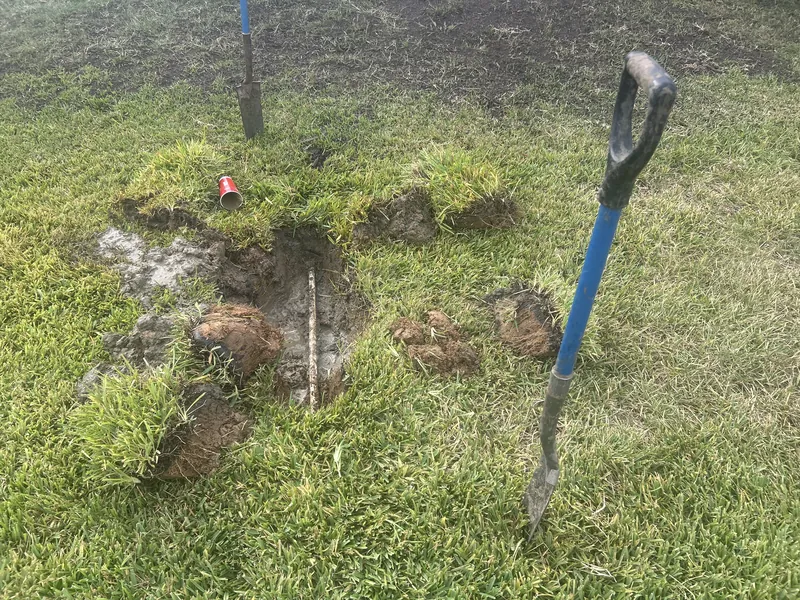
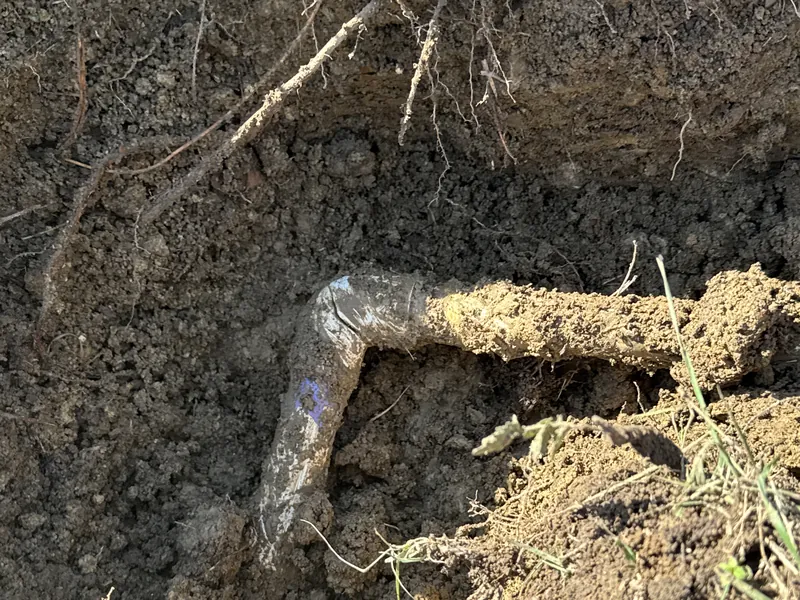
If a zone stopped after yard work, the control wire to the valve may have been cut or damaged.
After a Storm
Surges can damage solenoids and controller stations. Testing both is the best way to find the failed part.
After a Valve Repair
A flow control left closed or a part reassembled incorrectly can keep a valve from opening.
What You Can Check Yourself
- Confirm the zone is programmed and not skipped
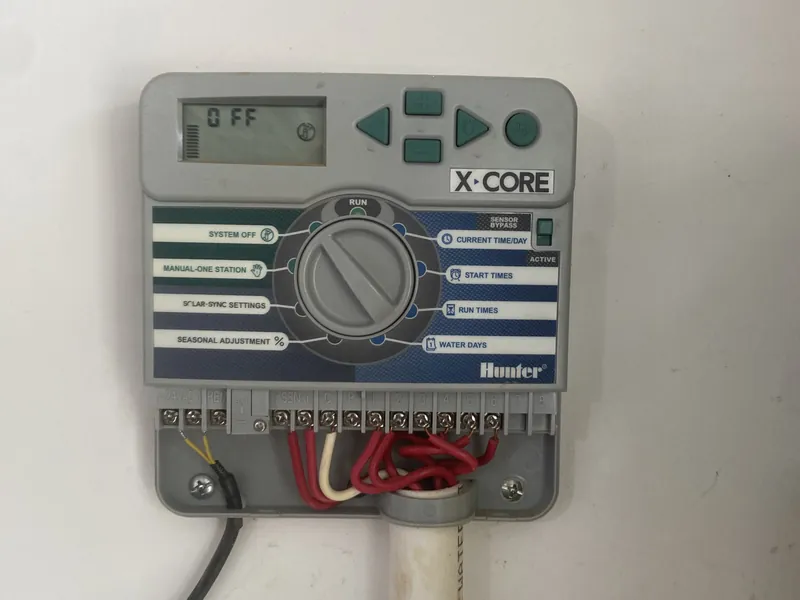
- Check the controller for a rain delay or sensor shutoff
- Make sure the irrigation water supply is open
- Start the zone manually from the controller
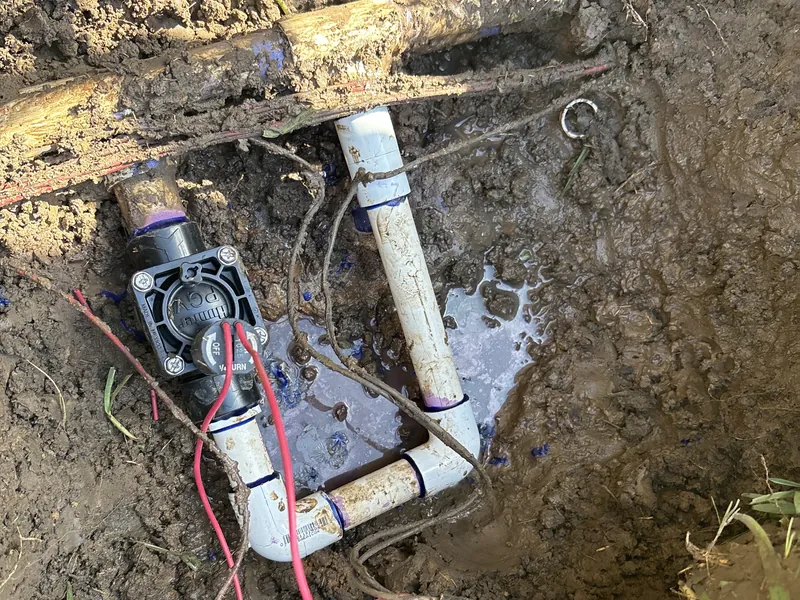
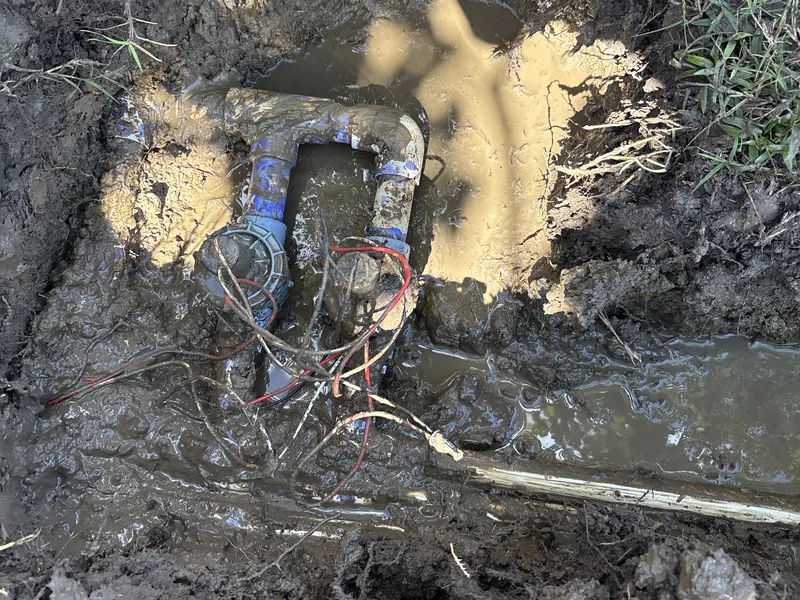
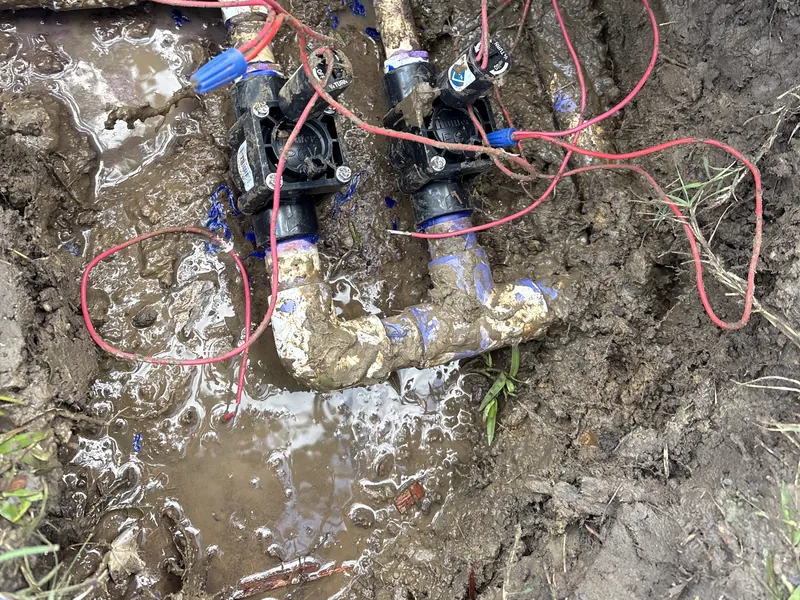
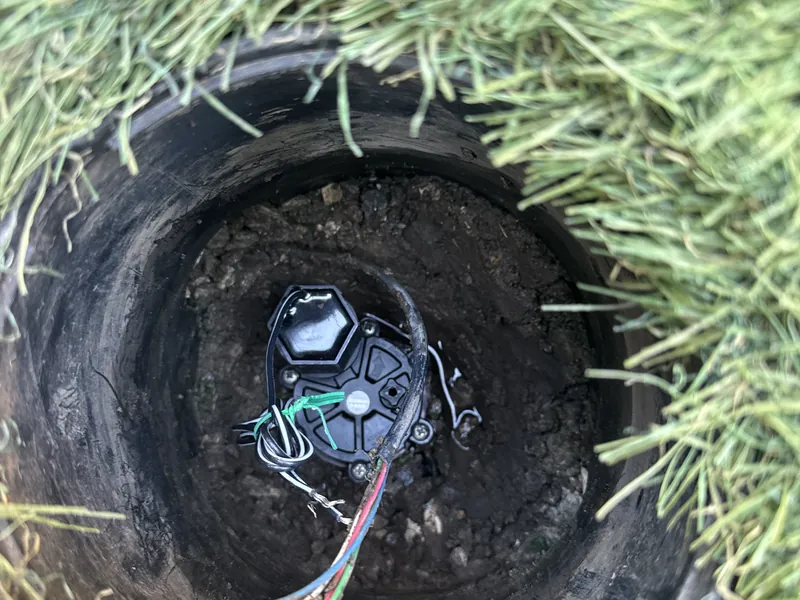
- Look in the valve box for cut wires or damage (look only)
What a Technician May Test
- Manual valve operation
- Solenoid resistance test
- Station output test
- Field-wire and common-wire continuity
- Valve diaphragm and flow control inspection
Most Common Causes
- Failed solenoid
- Broken or damaged field wire
- Common-wire problem
- Controller station failure
- Debris or diaphragm problem
- Flow control closed
- Water supply closed
Repair or Replace?
Most valves that won’t open are fixed by replacing the solenoid, repairing a wire or cleaning or rebuilding the valve. A full valve replacement is usually only needed when the valve is damaged or worn out.
When to Call a Sprinkler Professional
Call a professional if:
- The zone opens manually but not from the controller
- You suspect a cut wire
- Several valves won’t open
- You’d need to open the valve to inspect it
Find a sprinkler repair pro or read our emergency shutoff guide if water won’t stop.
Related Sprinkler Problems
- Why Won’t My Sprinkler Zone Turn On?
- How Do I Know If My Sprinkler Solenoid Is Bad?
- How Do I Know If My Sprinkler Common Wire Is Bad?
- Why Isn’t My Sprinkler Controller Working?
- Why Are Multiple Sprinkler Zones Not Working?
Related Repairs
Typical Repair Cost
What you pay depends on the cause, the parts and your area. See our Sprinkler Valve Replacement Cost Guide for typical ranges. Prices vary, and only an on-site diagnosis can give you an actual quote.
Frequently Asked Questions
Why won’t my sprinkler valve open?
Common causes are a failed solenoid, a wiring or controller problem, debris or a stuck diaphragm, or a closed flow control.
How can I tell if the solenoid is bad?
A technician tests the solenoid’s electrical resistance and checks whether the valve opens manually. Those tests separate the solenoid from wiring and controller problems.
Can a cut wire stop a valve from opening?
Yes. If the signal can’t reach the solenoid, the valve stays closed.
Do I need a new valve if it won’t open?
Not always. Replacing the solenoid or diaphragm, or repairing a wire, often fixes it.
Bottom Line
A sprinkler valve that won’t open is usually an electrical problem (solenoid, wire or controller) or an internal valve problem.
A technician can test the valve manually and electrically to find the failed part and repair it.
Diagnose My Sprinkler Problem See Typical Repair Cost Find a Sprinkler Pro